


































• ABPL Group

    Proudly serving
    the British Asian
    Community

    From our first printed edition in 1972
    to tablet, mobile and PC for over 48 years

    THE ASIAN
    ACHIEVERS AWARDS

    Now in their 19th year
    Celebrating Asian excellence in the UK

    Gujarat Samachar
    and
    Asian Voice

    Britain’s largest selling
    Asian Newsweeklies

    Asian Business Publications Ltd are the leading publishers for the British Asian community

    Since 1972, ABPL has been tirelessly campaigning for the British Asian community, with ground breaking publications and events. Along the way, we’ve developed a close relationship with both our readers and advertisers based on trust and service to the community. If you want to reach this dynamic and vibrant group, we can help you.

    Our flagship title, and the widest read Gujarati publication outside of India. Continuously campaigning for the needs of the UK Gujarati community of over 800,000 people.

    The UK’s foremost English language title for the next generation of UK Asians. Originally known as New Life, and relaunched in 1997, it targets the broader Asian community.

    British Asians contribute over £100 billion a year to the UK despite many of them arriving penniless in the 70’s. This prestigious awards ceremony celebrates their ongoing success.

    The awards seek to honour outstanding individuals from public life and diverse political persuasions. The awards are presented at a prestigious ceremony in the Members Dining Room of the House of Commons.

    The awards are not only for charities who seek to solve the most pressing social issues of our time both in Britain and globally, but also for those that seek to innovate and strive for excellence and whose success is judged by their end results.

    Our other publications

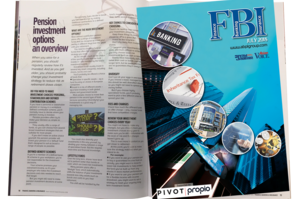
    FBI

    British Asians are savvy with their money. Our Finance, Banking and Insurance special issue focuses on providing up-to-date information to our readers looking for the best opportunities.

    Asian House and Home

    An Englishman’s home may be his castle, but to British Asians it’s also a temple and bricks and mortar are also their favourite investments. We regularly keep our readers informed of the best opportunities.

    Global India Rich List

    A one-of-its-kind compendium of global Indian business tycoons. Compiled by industry expert Philip Beresford, it lists net worth of persons of Indian origin whose wealth is equivalent to US$1 billion or more.

    ASIAN GIANTS

    The Asian Giants magazine is a unique portrayal of outstanding British Asians whose lives are an inspiration to those who are looking to surmount all odds and achieve the impossible.

    British Asian Women

    British Asian women are no longer just the secret behind successful families, but also at the front of successful businesses and careers. This special issue shines the spotlight on their stories.

    British Punjabi

    Gujaratis aren’t the only Asian success story in the UK. Our Punjabi brethren have also established themselves firmly in today’s society across all levels, and this special issue is focussed on their successes.


The Indian spices that help prevent cancer

Wednesday 25th November 2015 05:28 EST


Cayenne Pepper/Capsaicin (Chilli peppers): A promising spice with anti-cancer properties, but overdose of chilli peppers should be avoided. Capsaicin induces the process of apoptosis that destroys potential cancer cells and reduces the size of leukemia tumour cells considerably. It can be concluded that apart from setting our tongues on fire, chilli peppers can scare cancer pathogens off too.

Ginger: This humble spice boasts of medicinal qualities that help lowering cholesterol, boost metabolism and kill cancer cells. Easily added to vegetable dishes, ginger enhances the flavour in cooking. Chew on fresh parsley if the odour bothers you.

Oregano: More than a pizza or pasta topping, oregano confirms its worth as a potential agent against prostate cancer. Consisting of anti-microbial compounds, just one teaspoon of oregano has the power of two cups of red grapes! Phyto-chemical 'Quercetin' present in oregano restricts growth of malignant cells in the body and acts like a drug against cancer-centric diseases.

Cinnamon: It takes not more than a half teaspoon of cinnamon powder every day to keep cancer risk away. A natural food preservative, cinnamon is a source of iron and calcium. Useful in reducing tumour growth, it blocks the formation of new vessels in the human body.

Cumin: Yes, it aids digestion and probably that is why we like chewing a handful of cumin seeds at the end of every meal. However, its health benefits go beyond. A portent herb with anti-oxidant characteristics, cumin seeds contain a compound called 'Thymoquinone' that checks proliferation of cells responsible for prostate cancer.

Saffron: A natural carotenoid dicarboxylic acid called 'Crocetin' is the primary cancer-fighting element that saffron contains. It not only inhibits the progression of the disease but also decreases the size of the tumour by half, guaranteeing a complete goodbye to cancer. Though it is the most expensive spice in the world for it is derived from around 250,000 flower stigmas (saffron crocus) that make just about half a kilo, a few saffron threads come loaded with benefits you won't regret paying for.

Fennel: Armed with phyto-nutrients and antioxidants, cancer cells have nothing but to accept defeat when the spice is fennel. 'Anethole', a major constituent of fennel resists and restricts the adhesive and invasive activities of cancer cells. It suppresses the enzymatic regulated activities behind cancer cell multiplication.

Turmeric/Curcumin: This is the king of spices when it comes to dealing with cancer diseases, besides it adding a zesty colour to our food on the platter. Turmeric contains the powerful polyphenol Curcumin that has been clinically proven to retard the growth of cancer cells causing prostrate cancer, melanoma, breast cancer, brain tumour, pancreatic cancer and leukaemia amongst a host of others.


comments powered by Disqus


to the free, weekly Asian Voice email newsletter