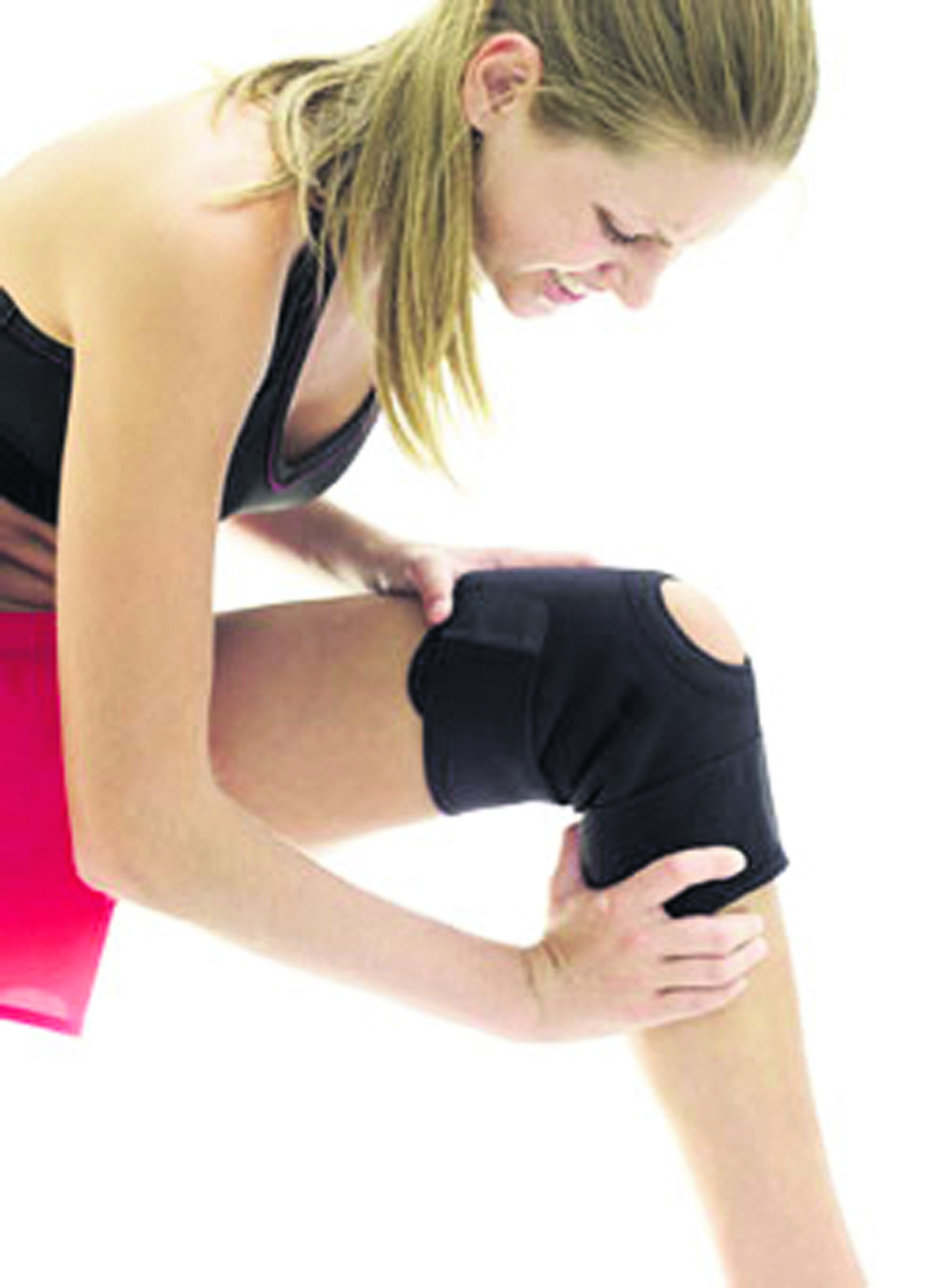
Injuries happen when you are least expecting them. But don't be disheartened. An injury makes you feel like all your progress has been trashed, and your whole motivation gets crushed to bits. But when you fell down from a horse, you get back in the saddle right? Yes, you do! An injury doesn’t mean quitting time. It means it’s time to get tough and smart, so you can heal the injury faster and keep your progress perpetual.
When we are injured, we tend to think about what we can’t do. Nature, on the other hand, moves quickly to initiate healing. The self‐repair process is spontaneous, natural, and seeks no direction from us.
Everyone can heal
Not everyone heals at the same rate; however, recovery is actually based on action and the time differences are usually because of differences in behaviour (of course, the type and severity of the injury). Our contribution during this time, is incredibly important. Life‐supporting changes made in response to an injury can strengthen our entire muscular skeleton and often reduce the likelihood of future injuries.
Living an Active Life
Recovery of your health and wellness depend on your attitude of optimism. That doesn’t mean you don’t become discouraged, it means you let yourself feel the physical and psychic pain and then move past it. As a matter of fact, it is your encounters with trauma; being hurt, experiencing pain, and then recovery, that led you to be able to understand and help people traverse the recovery process.
The traumas you experienced enhance your wellness level and your compassionate awareness of how difficult recovering can be. It can be daunting to endure a setback and participate in your healing.
As you age, some of your parts don’t necessarily wear out. But older adults do have both an increased rate of trauma and an increased predisposition to injury from even minimal force. A fracture can be a devastating blow to your health and independence, decreasing functional status and quality of life permanently. Understanding the risk factors for injury, the differences in the type of injuries, and possible injury management strategies are important to optimize care of ourselves.