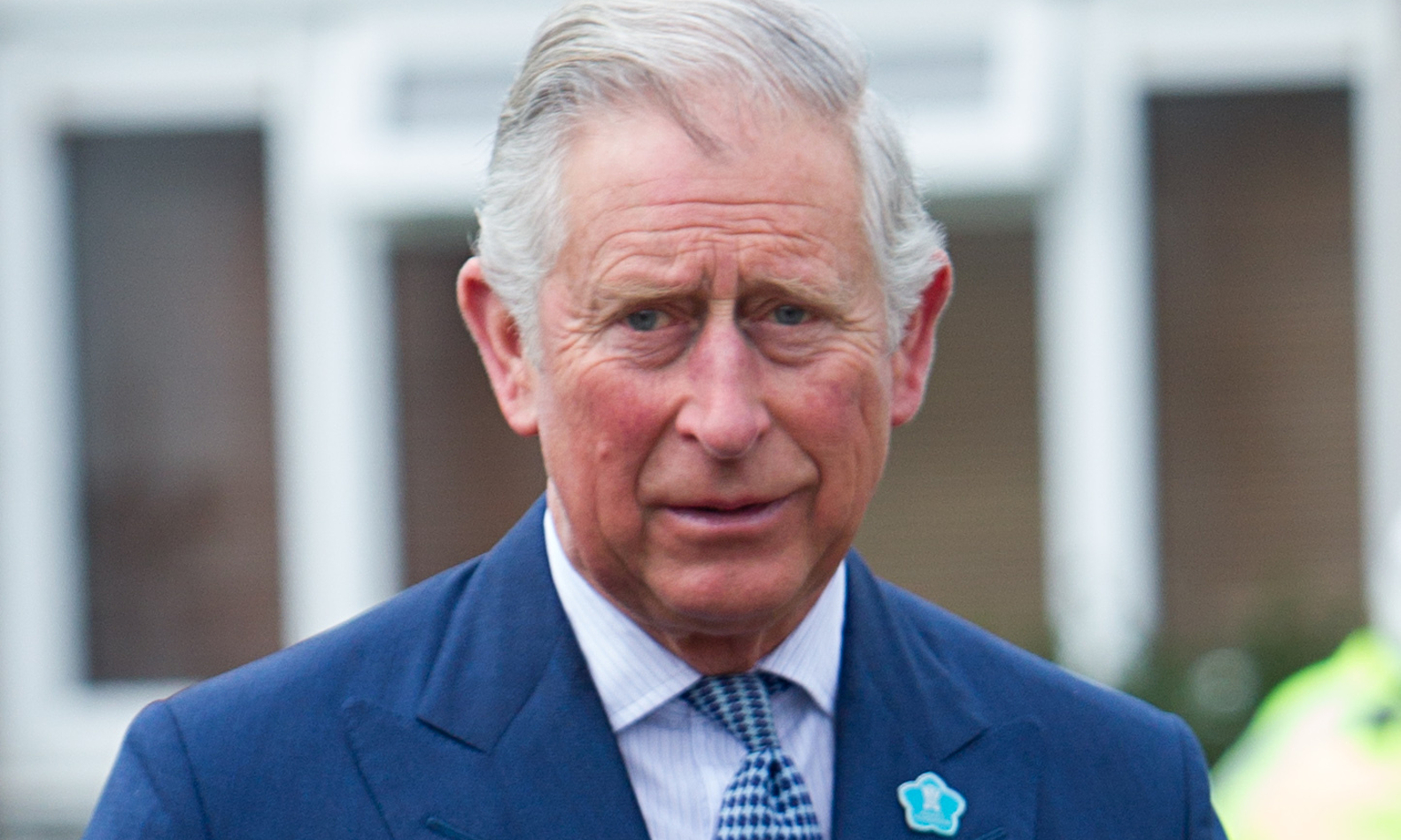
The Supreme Court (UK) has ruled on 30th March 2015 that the 27 highly sensitive letters written by Prince Charles to the government can be published, in a potential hindrance for the future king.
The court was asked to judge whether the UK Attorney General's office acted unjustifiably when it restricted their publication back in 2012.
The Guardian Newspaper solicited impartation of the letters written to government departments between 2004 and 2005.
Clarence House, the office of the Prince stated that it was "disappointed the principle of privacy had not been upheld.”
It has been debated that the publication of these “black spider memos' with the Prince's handwriting would sabotage his equable political status as heir to Britain's throne.
The Black spider memos are a string of letters and memos written by the Prince of Wales to the British government, ministers and politicians.
Former Attorney General, Dominic Grieve stated that any acumen Prince Charles disagreed with the then Labour government in 2004/2005 "would be seriously damaging to his role as future monarch because if he forfeits his position of political neutrality as heir to the throne, he cannot easily recover it when he is King".
The verdict from the Supreme Court is the latest move in a bold 10-year legal battle.
Previously, judges at the Court of Appeal established that the Attorney General, on behalf of the government had “no good reason” to stop the 27 letters from being publicised. However, in a hindmost pursuit to prevent their publication, the government has turned to the Supreme Court to ask them to invert that verdict.