To be a woman is to be unapologetically resilient in the face of life. - H.H.
The life and choices of the award-winning journalist and writer Saima Mir are a reflection of the above saying. Patiently braving all technical glitches, over a 90 minute long conversation, we managed to speak to Saima about women, journalism, body-shaming and the institution of marriage.
Saima has been a journalist for almost 20 years. She shared, “I was just 27 when I became a journalist. I had just got divorced for the second time. I was raised in a family where you always go to the university and get your education to be ultimately raised to be someone’s wife. The only career anyone was really pursuing was medicine. So when I found myself divorced for the second time, I got tired of feeling sorry for myself and realised that I could not feel bad any longer. I always wanted to write. My nana (maternal grandfather) was a journalist in Iran and he died when he was in his 40s”.
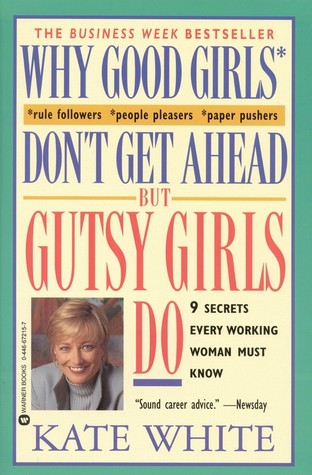
After finishing her engineering, Saima started writing for a local paper called Voice of the Youth. After spending two days in the newsroom, she felt like she had found her home – “I felt like I could leave all the cultural rubbish behind. It didn’t feel like work”. Saima was immensely keen to write for The Guardian, so she sent them her CV and at the bottom she made a section called “Future Awards” where she mentioned a Pulitzer, among other prizes. She shared, “I used to apply for every single BBC job there ever was. I didn’t care what it was going to be like. I just wanted to work for the BBC!” After reading the book Why Good Girls Don’t Get Ahead But Gutsy Girls Do by Kate White, she realised that “if you want something, you just have to go get it.”
Safety, parenthood and body-shaming
Saima believes that we need to find ways to allow women around parenthood and pay as well. She also touched upon the issue of safety of journalists - “When I was a young journalist, I never thought about the issue of safety for women journalists. I never realised that I was a thin little brown woman reaching out to a racist house to ask a few questions. I was never really given much safety training. I think we need more of that.” She added, “We need diversity in journalism and women’s voices, because the things that we see are different from the things that men do. As women we have such a short amount of time to build our careers and if you want to have babies - men don’t have that.”
Speaking of women presenters being body shamed by colleagues and society, Saima said, “A man can be unattractive and it’s okay. As women, we are constantly defined by our sizes and beauty, especially in South Asia. My body has produced people, it is healthy, it helps me eat and work. I have a brain and I’m cleverer than most people I know, and I don’t mean that in an arrogant way. I have fought for my life and I am measured in beauty? Everybody finds different things attractive, why don’t we just embrace that?”
Values can come through any religion, race or background
We delved into a more sensitive topic that is still a taboo for South Asians - remarrying after divorce - “One of the hardest things about divorce for me was that I had told all these secrets to this person and he was no longer obligated to keep them. I had to navigate. How do I say enough for it to be obviously what happened without revealing things that are too personal”.
Saima thinks that there isn’t much acceptance for interreligious marriages within the Asian community – “We inherit the biases, the trauma. In places like London, if you’re a Pakistani or a Pakistani Muslim, there’s a lot in common between them and a Hindu from India because we grew up watching the same films. A lot of British South Asians learned Hindi and Urdu from cinema, and by watching Amitabh Bachchan”.
Saima is in her third marriage. She’s 45. She told us, “When I was 20, I always thought and I wanted to marry a Muslim. I thought this would make for a very strong foundation for a relationship. Of course, it didn’t work out. My husband now is of the same background. He is not religious and I’m still quite spiritual as a Muslim woman. I think values can come through any religion, race or background. All we want is to find somebody who is kind to us and wants to work it through”.
Raising three boys
Saima Mir is raising her three sons to be better men, who will build a safe environment for women of the future - “I feel that we raise our women to be strong, but we need to raise our men right”. She added, “I believe in teaching them to talk about when they are hurt, be vulnerable and just respect women, treat them as equals and not somebody who is less than them.”.
In her words - “Women need men as allies because when I was fighting for my own equality, I thought I could do anything and women don’t need a man. Then I came to realise that we share the planet with men and they have a lot of power in decision making. If we are going to change things in this world, we need each other so I treat men to be allies for women”.
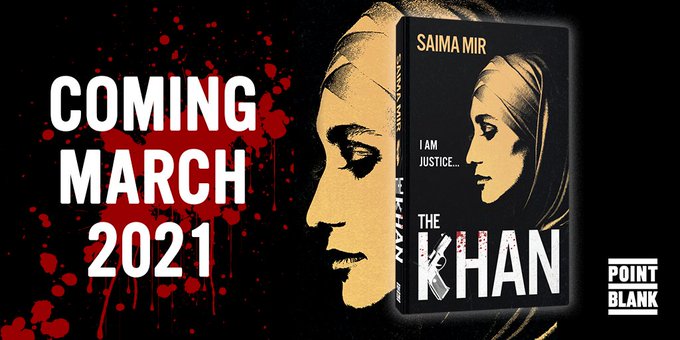
Talking about her writing, Saima said, “I write the stories I want to read - stories on how a woman would handle that situation differently instead of a man”. Her novel The Khan is being published by Point Blank and is due in January 2021. The Khan has been optioned by BBC Studios.