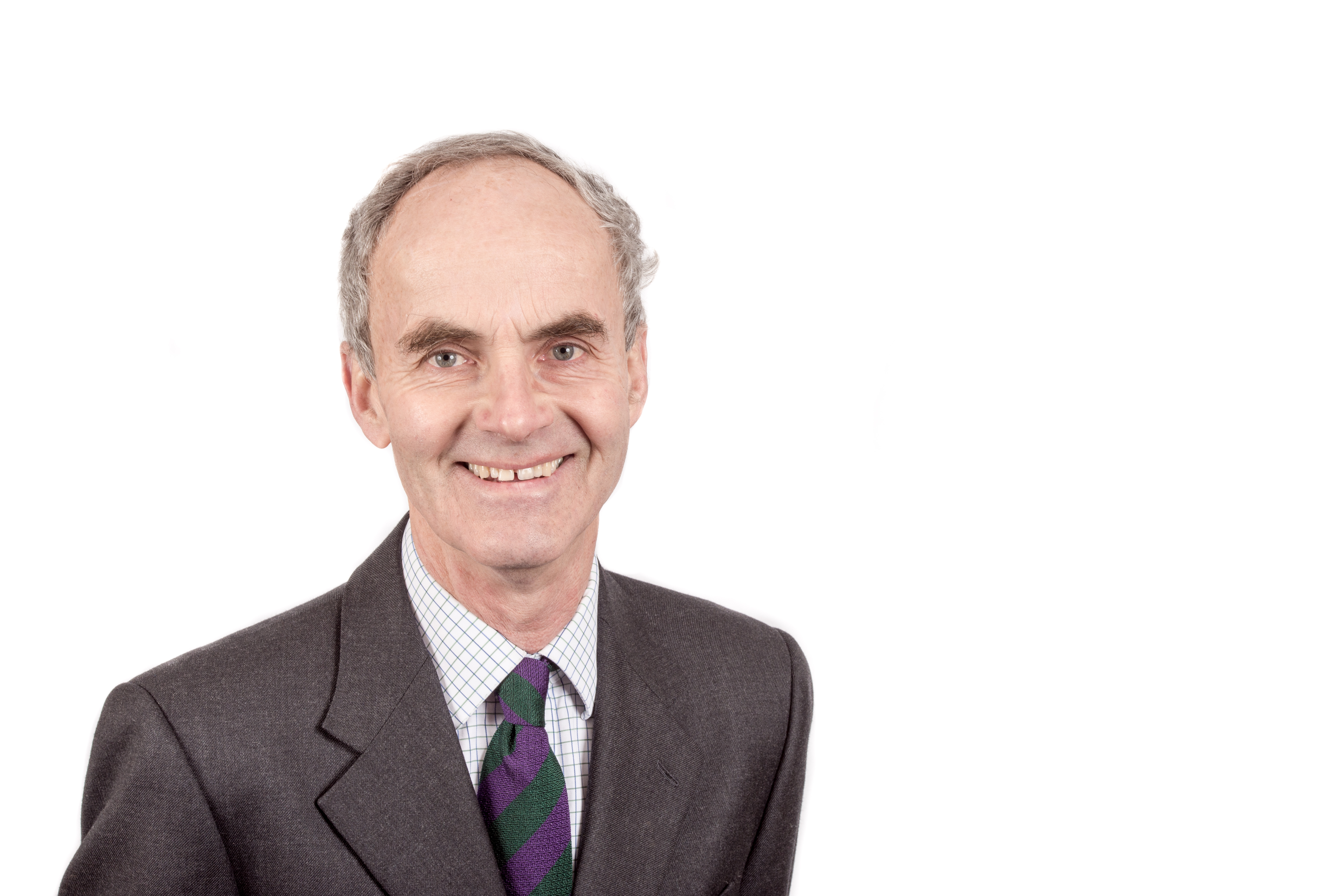
The annual dinner of the Punjabi Society of the British Isles was held in support of Combat Stress, the leading Veterans Mental Health Charity in the UK, on 20th April at the Grosvenor Hotel. At the event, Lieutenant General AJN Graham CB CBE (Andrew Graham) , the Chair of the Board of Trustees of Combat Stress since September 2013, spoke on his vision and plans for Combat Stress in a one-to-one with Asian Voice.
Andrew’s grandfather was Lieutenant-Colonel Sir John Reginald Noble Graham, 3rd Baronet VC OBE, a British recipient of the Victoria Cross, born in the city of ‘Bombay’ (India). During the Samarrah Offensive Lieutenant Graham was in command of a machine-gun section, co-operating with the 56th Punjabi Rifles (Frontier Force) near Istabulat on 22nd April 1917, precisely a hundred years ago. Andrew Graham spent most of his life as a military man and his final tour of duty was as Director General of the Defence Academy of the UK. He left the Army in September 2011 and holds several offices including the President of the Army Cadet Force Association and Colonel Commandant of the Infantry. Combat Stress was originally, when founded shortly after the First World War, called the Ex-Servicemen's Welfare Society.
Andrew pointed out that the nature of a soldier’s life in the military is such that they do not receive the required counselling and understanding. He said, “Earlier, soldiers who got retired from the military life used to take up to 13 years or more to act on the psychological stress they were going through. It used to be a stigma to seek help. That has drastically changed. Between 2010 and 2016, Combat Stress had 10,000 new referrals. The society is certainly taking these issues more seriously now.”
He also extolled importance of clinical research to combat these grave psychological stress. The charity has its own research department and Andrew emphasised on the significance of documenting treatments for getting to the root of these problems. He said, “Our focus is to strengthen provable clinical research. We often collaborate with American and Australian research centres to innovate and improve, instead of competing.” He also spoke on how important the families of the soldiers are, in supporting them with love, care and persuasion to get the help they need.
Personally, the biggest take away for Andrew, being the Chairman of Combat Stress, is that the mind is a complex machinery and that laymen should leave the treatment to clinical researchers. He added that the sooner a person realises that they are undergoing undue psychological stress, they must not hesitate to get the help they need in order to bid goodbye to the stress.
Andrew has a special message for the young men and women who are entering the military life – “Come, be, enjoy and do. But the day you join, start thinking about the day you leave, and how you are helping yourself in the future.”