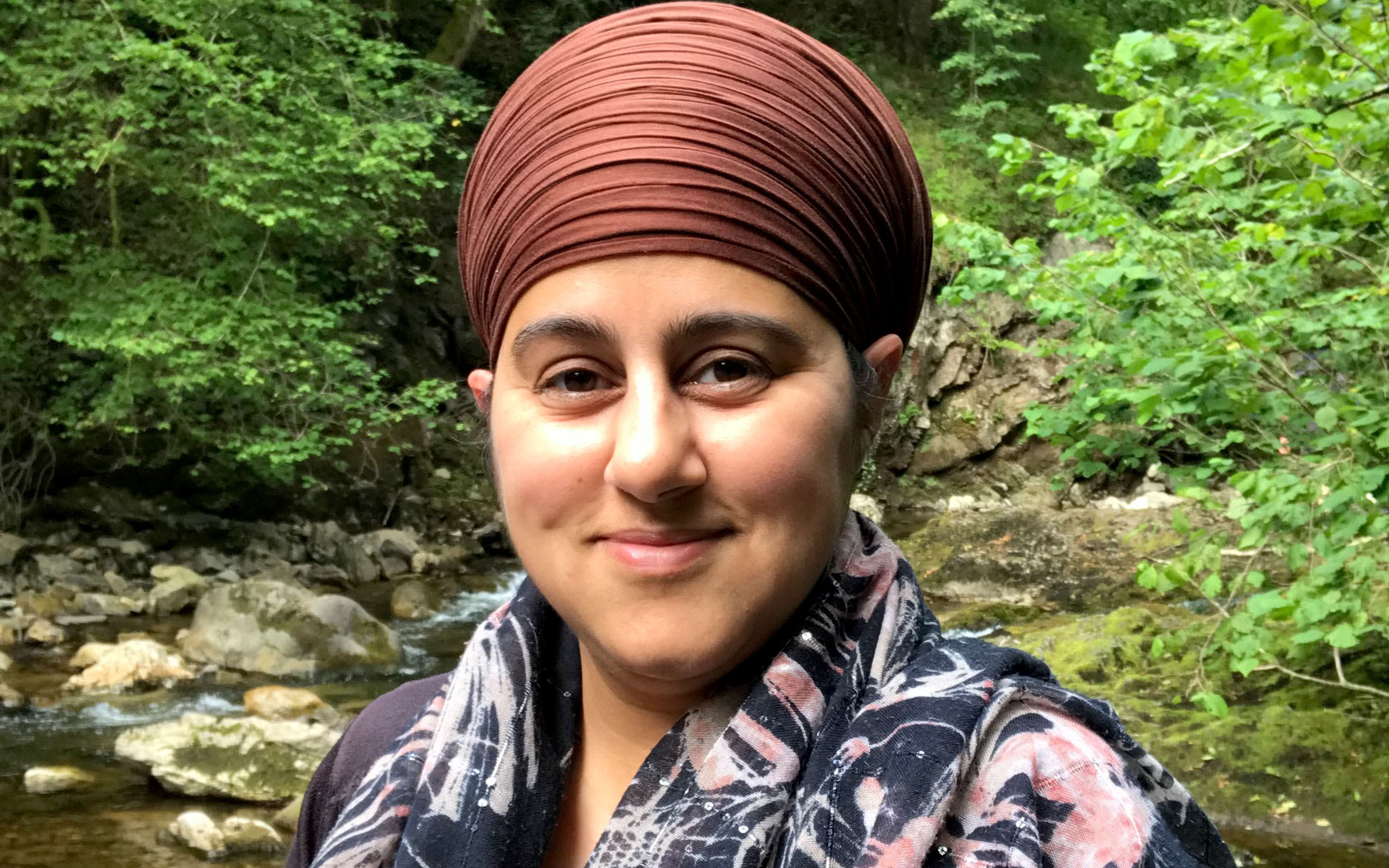
The Covid-19 pandemic not only brought life to a standstill but also demanded people to stay locked at home for their own safety. With the confinement of people within their own homes and for many within just four walls with or without family, mental health consistently took a hit across the globe. The mental lockdown was more difficult than the physical one. From WHO (World Health Organisation) to support groups and media, countless reports and self help guides have surfaced online to support mental health and psychological considerations in the past six months. Asian Voice spoke to Chartered clinical psychologist, Dr Gurpreet Kaur on mental health issues and how the Asian community can learn to talk about it. Here are a few excerpts from the interview:
1. Are mental health problems different in different genders? If so, how do they differ and why.
Women are more likely to be diagnosed with depression than men, but we know men are less likely to seek help for depression. Yet rates for death by suicide are higher for men, suggesting men suffer equally to women. Mental health difficulties are widespread and increasing but gender differences predominantly exist in help seeking behaviours. Stigma, lack of family or peer support and not understanding mental health pathways will undoubtedly play a role in this, alongside systemic barriers to accessing help within a mainly white middle class led health system where there exists a lack of true cultural understanding and where knowledge of people of colour is bundled into one category -BAME (Black and Asian Minority Ethnic).
2. The stigma of not accepting or talking about mental health issues in the Asian community still persists. Especially men find it embarrassing and shameful to accept that they have mental health issues. What is your advice for the community in that context?
We all have mental health just as we have physical health. To deny this is to deny being human. Men, women, old, young – we all experience highs and lows and it is a part of the human condition to struggle with our mental health at times. Be the change for the generations to come by talking about sadness, depression, anxiety and stress in your homes in order to normalise communication about internal stress. Start with the person who listens. It could help to change unhelpful coping strategies of alcohol consumption, gambling, porn use or gaming which are much more normalised. Be curious about what distress looks like to each other and learn what form of support works for whom in your family or friendship groups. Don’t make assumptions. Learn to listen. Patience is important.
3. What should we not say to anyone whom we know or suspect might be suffering from mental health issues?
Please do Not say: Snap out of it, Just think positively, Stop thinking about it, Pull yourself together, Be a man / man up, You’ll be fine don’t worry, You’re just ungrateful, You’re mental, There’s something wrong with you and You’re schizo.
The list is endless. Invalidating comments make a person feel alone and as though there is something wrong with them which can be very frightening. The best thing to do is sit with them and ask them how you can help or simply hold that space with them. Being present with someone when they are distressed without trying to change it for them can actually be a very healing experience.
4. What's the immediate step that one should take in order to manage anxiety or mental health ailments?
Step one – don’t panic. Reach out to someone you trust or you call a helpline. You can talk to your GP or get in touch with your local primary care mental health service (google it) and make a self-referral. Your local place of worship may have mental health awareness events and there are also a number of south Asian therapists and organisations who can help signpost. You could also try using self-help books, podcasts, therapy social media accounts to connect to others who understand what you are experiencing. Spend time thinking about how you are feeling and then take the necessary steps to talk to a professional who you feel understands you.
5. Should people who suffer from mental health issues be vocal about their condition at work and in public spaces? How can they tell the world that they need a little more sensitivity from others without being embarrassed or confused about their state of mind?
Do what you are comfortable with. You are not obligated to talk about your own mental health difficulties, but work can put systems in place to support you if needed. People may continue to be insensitive unfortunately so do things which increase your own resilience and mental wellbeing.
You can find Dr Kaur on Twitter and Instagram as @drkaurtherapy.