The UK is all set to reopen on 19 July 2021. Health Secretary Sajid Javid has warned that Covid-19 cases could get as high as 100,000 a day this summer. He admitted that numbers will “rise significantly” after all remaining Covid restrictions are eased in a fortnight and claimed the government had not “put numbers on hospitalisations” yet. Double vaccinated people will also not have to follow quarantine rules if they meet any positive cases from 16 August, though London’s Mayor Sadiq Khan has urged the government to retain the mandatory requirement for covering to be worn publicly. After a long haul, as the announcement about UK’s new normal comes on NHS’ 73rd birthday, key questions that remain unanswered- is the government being hasty? Are our frontline workers ready to sacrifice their lives yet again, for something otherwise avoidable? What’ll be the fate of care homes? Asian Voice finds out.
Clear disconnect between government and science
Though international travel may not go back to normal on 19 July, recent research by Cardiff University suggests that the UK public is likely to take the Covid-19 pandemic less seriously once restrictions are lifted. Psychologists found lockdown in itself was a primary reason why so many people were willing to abide by the rules from the start – believing the threat must be severe if the government imposes such drastic measures. All said and done, the moment of truth is here.
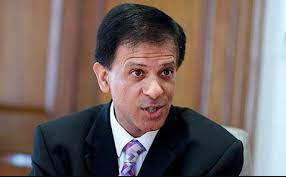
Responding to the announcement on Monday by Prime Minister Boris Johnson setting out the Government’s intention to relax nearly all the Covid mitigations on the 19 July, including the mandatory wearing of facemasks, BMA council chair Dr Chaand Nagpaul thinks that this move, is “incredibly concerning”.
In a statement, he told us, “There is a clear disconnect between the actions the government are planning to take and the data and views of the scientific community and medical profession.
“The NHS is already under immense pressure trying to cope with an unprecedented backlog of care. While admittedly the link between hospitalisations and deaths has weakened, it has not been broken and we now have twice as many people in hospital and on ventilators compared to a month ago. Even modest rises in patients being admitted to hospitals will undermine our ability to treat the record 5 million patients waiting for treatment.”
Touching upon the prevailing 2 million Long Covid cases in the UK, Dr Nagpaul further said, “Why is the prime minister knowingly putting more people at risk of becoming ill when masks are proven to be effective and can reduce the spread of infection? It will also impact the economy and businesses if more staff become ill and unable to work.”
Talking about face masks, he added, “This cannot be about 'personal choice' when the risk comes from others around you not wearing them. It is inconceivable that the Government would allow for people, many of whom have no choice but to get public transport or be in confined places, to have to take the risk of becoming ill, particularly those who have not been fully vaccinated or cannot take the vaccine for health reasons.”
“We would urge the Government to reconsider its course of action and implement some of the necessary measures such as the continued mandatory wearing of facemasks in enclosed indoor public settings until the rampant spread of infection has been brought under control and more of the population is fully vaccinated,” Dr Nagpaul argued.
“Ultimately, the Government has a duty to protect people’s health and this announcement today falls very short of that. It also fails to protect our health service and give the NHS and its staff the safeguards it needs,” he added.
But Dr Ramesh Mehta OBE, Founder and President BAPIO told us, “NHS is doing an excellent job of vaccination, which is great protection against hospital admission for Covid-19. We are very proud of Indian doctors and nurses, who are playing a prominent role in the vaccination programme. I think it is the right time to open up with keeping a cautionary close watch on the progress of pandemic.”
However, as the country opens up, NHS continues to face worsening staff shortages as many senior doctors plan to retire in a few years, the Royal College of Physicians (RCP) has warned. Ironically, a group of senior health professionals from the NHS went on record to say that “The coronavirus pandemic, the greatest health emergency in NHS history, has shone a light on the amazing work of our nurses, doctors, pharmacists, therapists, porters, cleaners and countless other staff as never before. Thanks to their dedication and skill, the NHS has cared for around 400,000 seriously ill Covid patients requiring hospital treatment.”
There are more than 350 different roles on offer. Institutional racism and poor conditions for BAME medical professionals is still a matter of concern, especially amid remarks from Baroness Dido Harding who vowed to exode foreigners from the NHS. In a major relief, Sajid Javid has ruled out Baroness Harding of Winscombe as the next chief executive of NHS England, it is understood.
A senior government source told The Times, “Dido deserves much credit for building Test and Trace, but people don’t think she is the right person to lead the NHS as we enter a new phase.”
In response to the Royal College of Physicians’ (RCP) latest survey of its members Dr Vishal Sharma, chair-elect of the BMA consultants committee said, “It should surprise no one that these findings come on the back of Government plans for a meagre 1% pay offer and a real term cut in pension entitlement, which is driving doctors out of the profession. We welcome yet another medical organisation calling for the new health secretary, Sajid Javid, to think carefully about how to strengthen the health service, which has taken full force from the pandemic. We’d urge Mr Javid to listen to the voices representing the frontline. It’s clear that NHS staff are on their last legs and in desperate need of adequate support and resources. Many NHS workers still await a pay rise amid honours to the charity by the Royals.
Care homes to bear the brunt?
As Mr Johnson prepares to rip the country of majority Covid restrictions, loved ones visiting care home residents will continue to be disadvantaged by strict measures, Care Minister Helen Whately said.
Speaking to Asian Voice, Mahesh Patel, Minister Care Group told the newsweekly, “The past year and a half has certainly been the most challenging period of my career in the sector. I’ve witnessed the devastating impact Covid has had on our residents, their families and, of course, our staff. It’s not just deaths that have had an impact, equally awful has been the loss of human contact and the making of little memories that matter so much to all of us. We’ve all tried our best to be as flexible as possible whilst staying within the rules and keeping everyone safe, but that’s no substitute for the normal life that we previously took for granted. The end of lockdown is certainly to be welcomed, but I think we all need to remain vigilant and acknowledge that things aren’t going to go back to the way they used to be overnight.”
Anunay Jha and Gyan Dass, owners of Two Rivers Care Home said, "We look after South Asian ladies with learning disabilities. We have managed to weather the storm, with prayers and songs and the love and care of our staff. We experienced several hospitalisations and two of our clients were very close to death. We went into the hospital every day and gave them strength, and they both recovered.
“The saddest moment was when one of our clients lost their father, who was an eminent doctor that had served the NHS all his life. How can you explain to her what happened? Our clients just didn’t understand why they couldn’t go out but somehow, they have shown patience. Our staff have been tireless, risking their own health to make life safer and better for our residents. We are so relieved to come out of it and see the new day!"
---------------------------------BOX------------------------
Commemorating the collective ‘can do’ attitude that saved thousands
The Queen has honoured the NHS with the George Cross in a handwritten note, as a token of appreciation to all NHS staff past and present for their “courage, compassion and dedication”. The Duke of Cambridge has applauded the “extraordinary” efforts of NHS workers throughout the “truly relentless” pandemic as he hosted an NHS Big Tea at Buckingham Palace. Prince William, 39, chatted to 28 health service staff, from nurses to caterers, as they were treated to afternoon tea in the palace gardens to mark the 73rd anniversary of the NHS.
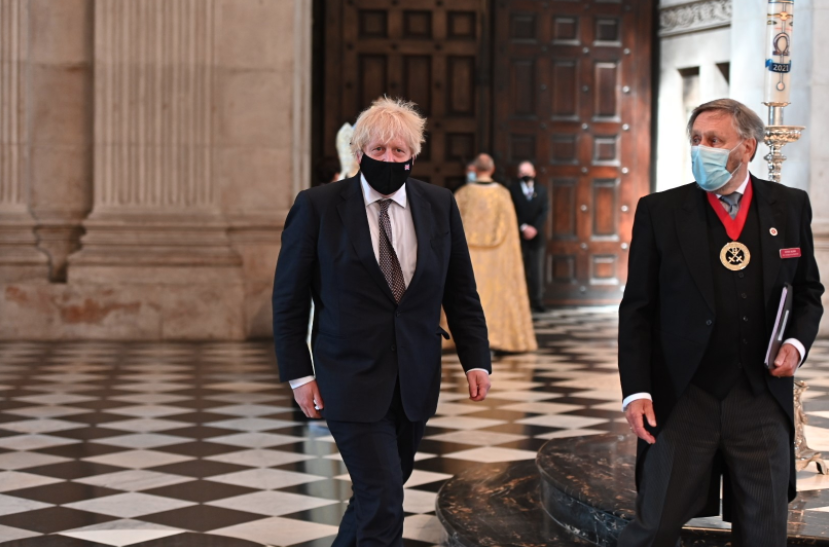
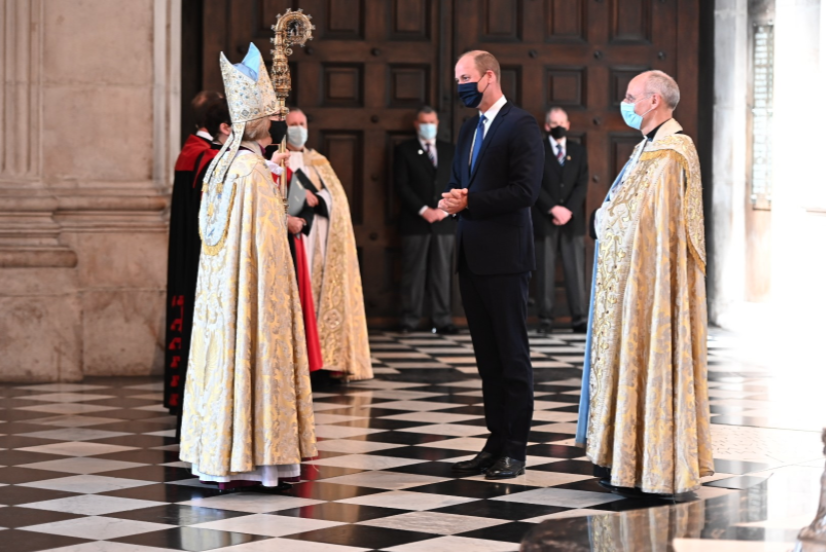
A special service marked the 73rd birthday of the NHS at St Paul’s Cathedral on Monday 5 July 2021. Guests included leading figures in the NHS's pandemic response and several hundred members of frontline staff, patients and others involved in the NHS’ response to Covid-19.
Among the congregation were NHS chief Sir Simon Stevens, matron May Parsons, who administered the first-ever Covid-19 jab outside of clinical trials, actor Lydia West who has publicly supported the NHS Covid-19 Vaccination Programme, Sam Foster, the nurse who gave the first Oxford Astra Zeneca vaccine, members of staff who treated the first Covid-19 patients in England and several patients who have been treated for the virus.
The service was held to mark the commemoration and thanksgiving to celebrate the contribution to the country during Covid-19, of NHS staff, volunteers, and carers, reflect on the achievements of the last 12 months, the part everyone has played and look ahead to the future of the NHS.
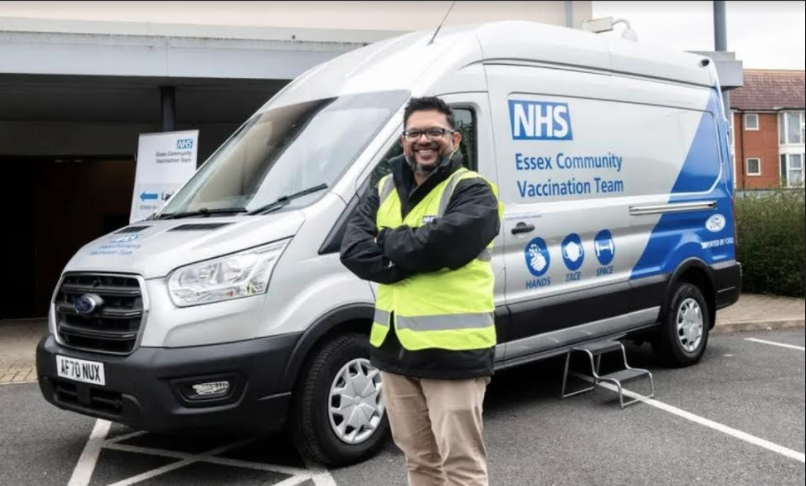
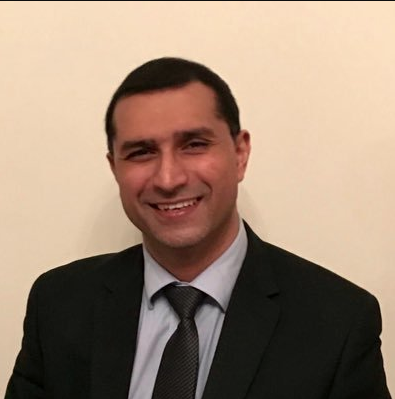
Dr Smitesh Patel from Essex, who created a vaccine van to boost uptake, exclusively told Asian Voice, “I’m really honoured to have attended the service, a wonderful time to reflect on what an incredible role everyone in the NHS has played in dealing with this pandemic. The vaccination van has given us an opportunity to go out there and give the vaccination to those who otherwise might not have got it. Whether or not they have got access to health care, traditional access to a GP is not there, they’re unregistered, we’ve been able to ensure uptake of the vaccine is maximised as much as we can in a safe space where people can ask questions.”
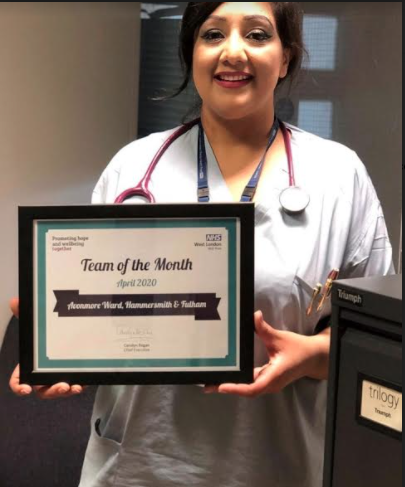
Dr Roopak Khara, Psychiatrist, West London NHS Trust, who set up the first ward for patients with acute mental illness who got Covid, said, “It was an exceptional moment to represent the collective efforts of West London NHS Trust and mental health at a beautiful service which struck the right balance between remembrance, recognition and reflection. The challenges of working on Avon more ward at Hammersmith and Fulham Mental Health Unit, the country’s first psychiatric Covid ward, were surpassed by gratitude that I was able to work throughout the pandemic. The last year has demanded the very best of the NHS adapt quickly to the pandemic and I have been struck by the collective ‘can do’ attitude of the staff. I have the utmost respect for our patients who responded to these challenges with grace. Ultimately, if we continue our collective efforts in response to the evidence we have from the experts, I do remain hopeful that we can get back to more of the things we enjoy.”
-------------------------------