From the winding alleys of Amritsar to the shores of Sylhet, from Lahore’s poetry to Colombo’s spice-scented winds, the roots of South Asian heritage run deep and wild. But those roots did not stay still. They journeyed. Carried in the pockets of migrants, etched into diaries, folded into recipes, stitched into saris and dreams; they took flight, crossing oceans and borders. In Britain, those roots found new routes: in corner shops, curry houses, NHS wards and council chambers.
South Asian history in the UK is a rich, layered tapestry of migration, resilience, and cultural exchange. The lives we lead today, and the better future we hope to shape for generations to come, are rooted in the foundations laid by those who came before us, whose voices, values, and culture have become an enduring part of British life.
This South Asian Heritage Month, under the theme “Roots to Routes,” we celebrate not just where we come from, but the extraordinary journeys that brought us here. It's a story of movement, of ships and suitcases, of struggle and reinvention. It’s about how heritage isn’t just preserved: it’s lived, transformed, and proudly paraded down the high streets of Britain today.
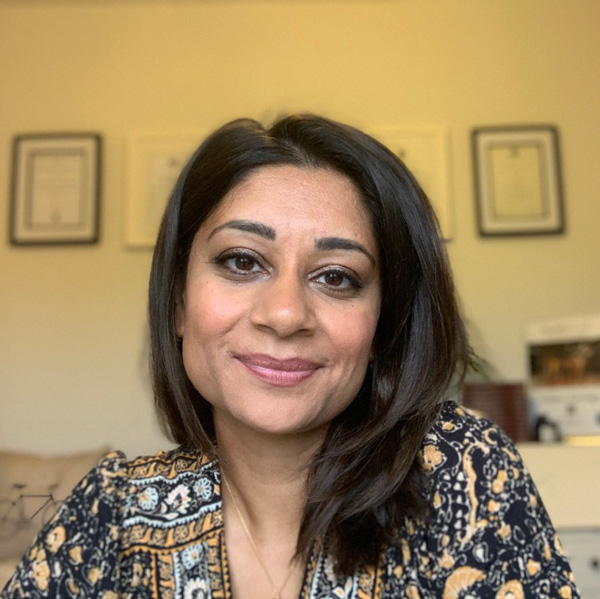
Discussing this legacy, Dr Maya Parmar, Research Fellow, Remaking Britain: South Asian Connections and Networks, 1830s to the Present; Department of English, Queen Mary University of London said, “The theme of ‘Roots to Routes’ invites us to reflect on how South Asians in Britain are deeply entwined with British history and heritage. Our roots lie not only in the subcontinent, but also in the long-standing presence of South Asians in Britain itself—for example, in early migrants such as lascars, ayahs, pedlars, and students.
“There are too the wider legacies of Empire, which include historical migrations to places like East Africa, post-war settlement in Britain, and the broader processes of decolonisation across South Asia and other former British colonies, all of which brought our families here. The memories of these journeys are often embedded in, for example, food, music, dance, language, and literature, and many of these cultural productions have become weaved into the British cultural repertoire.”
The present and a brighter future
Today, British Asian identity is more fluid, empowered, and self-defined than ever before. A new generation is reshaping what it means to be Asian in the UK, and in the world, proudly rooted in heritage, yet unafraid to break away from outdated labels and expectations. Social media has opened up vibrant spaces for dialogue, where stories of struggle, joy, and success are shared and amplified.
Being Asian today isn’t just about where you come from, it’s about what you build, represent, and express. Whether through food that fuses traditions, fashion that blends East and West, films that centre diaspora stories, or activism that demands equity, British Asians are not only reclaiming their narratives, they’re writing new ones. In doing so, they’re challenging stereotypes, reshaping culture, and lighting the way for future generations.
Emphasising the routes our roots have enabled, Dr Parmar said, “Our ‘Routes’ now extend through British restaurants, stages, political spheres, and digital spaces, where South Asians are reimagining their place in Britain’s narrative, not as outsiders, but as essential contributors. These routes are intellectual, creative, and culturally rooted, forging a British identity that honours the past while actively shaping the future.”
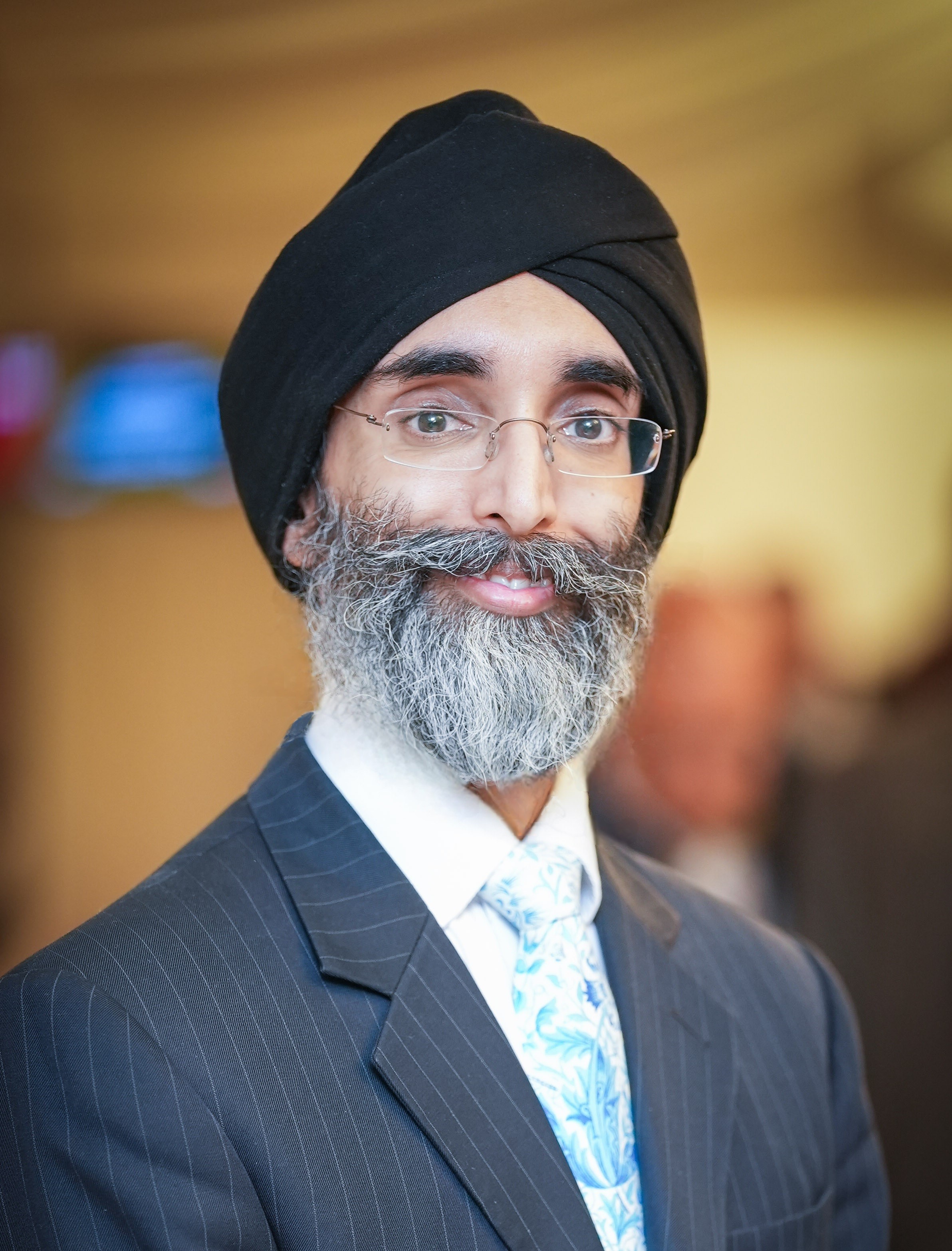
According to Jasvir Singh, Co-Founder of South Asian Heritage Month and Chair of City Sikhs, British Asian identity today is undoubtedly more fluid and empowered than it was a generation ago. “Our parents and grandparents often had to choose between preserving their culture and trying to fit in to British society. Now, younger South Asians are finding ways to ensure that both can coexist at ease—whether that’s in creative industries, politics, entrepreneurship, or grassroots activism”, he said.
He further added, “Their confidence comes from standing on the shoulders of those who came before, while also refusing to be boxed in by traditional expectations or societal stereotypes. That is the epitome of our theme this year, Roots to Routes. Looking to the past, not forgetting our history, and yet forging new and confident paths to the future.”
On being asked if he believes there will be a point in the future when celebrating South Asian identities and cultural recognitions like SAHM won't be as important, he said, “I like to describe South Asian Heritage Month as a month with built-in obsolescence. I look forward to the day when it doesn’t have to exist. But until South Asian stories and narratives are understood across the country as being the stories and narratives of Britain as a whole, it will still be needed and it won't disappear anytime soon.
“These recognitions are vital. They’re not just about celebration—they're about education, solidarity, and legacy. And even when we reach that future, taking time to honour heritage will always have value. It roots us, connects us, and reminds us of the richness in Britain’s national story.”
“British Asian women are reshaping the narrative”
British Asian women have long been the quiet force behind the preservation and evolution of cultural heritage in the UK. Often operating behind the scenes, raising families, keeping traditions alive, cooking from memory, and translating ancestral values into daily life, they have acted as cultural anchors. But today, they’re not just preserving heritage; they’re reshaping it, challenging norms, and claiming space in literature, leadership, activism, and the arts.
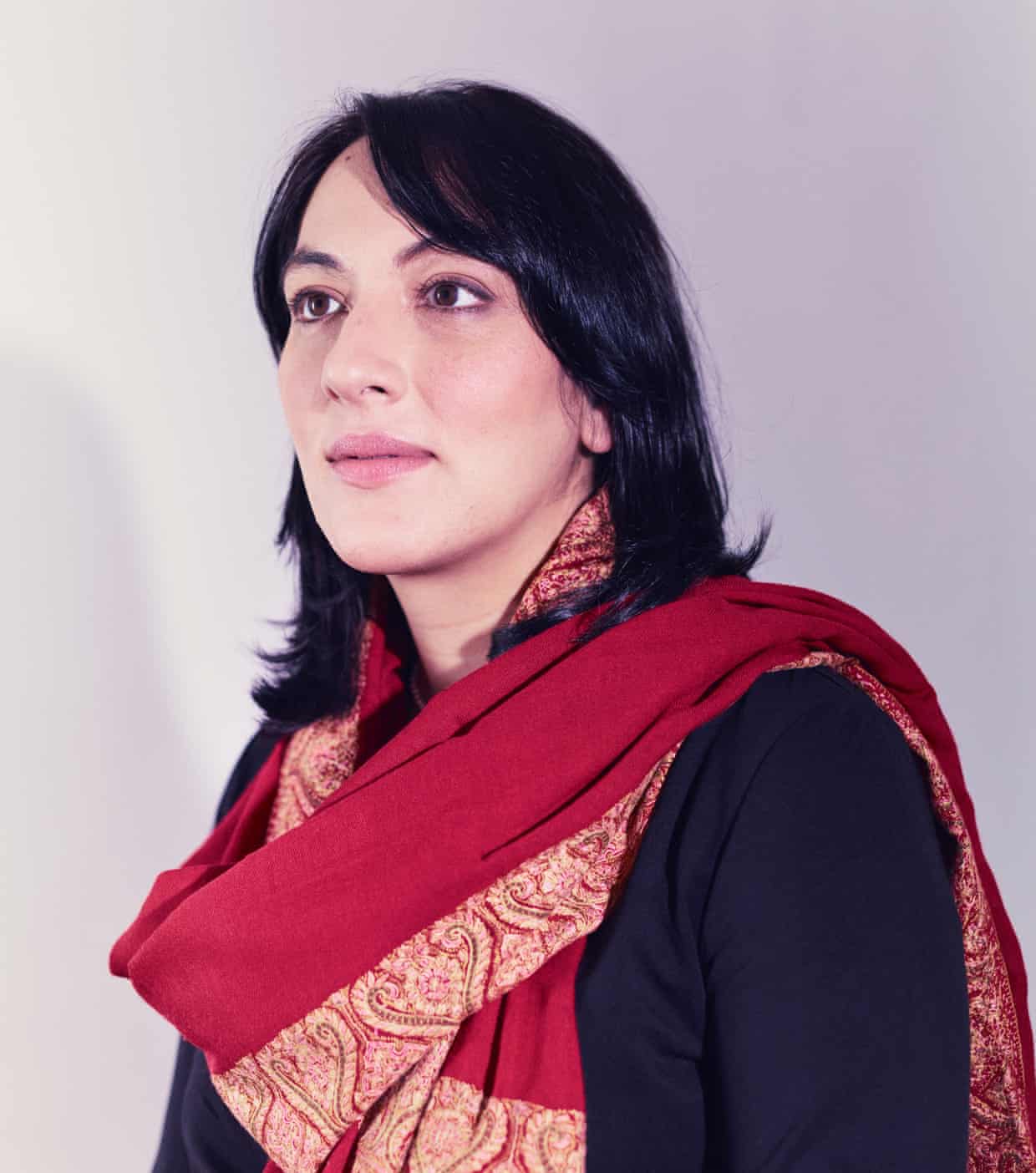
Saima Mir, Author of Times Bestseller The Khan & Vengeance talks about how British Asian women today are reshaping the narrative of success and heritage, stating, “British Asian women are reshaping the narrative of success and heritage in many positive ways. We have the vantage point of coming from nations steeped in art, culture, and the intersectionality of Islam, Hinduism, Sikhi, and Christianity, as well as Judaism and Zorastrianism.
“As women, we give birth to sons, and so our success includes that of men. At a time when society is in dire need of community, and people are feeling isolated and alone, we are the bridge between collectivist and individualistic cultures. We are lucky enough to have been handed the tools of building community by our mothers and grandmothers. We cook, we invite people to break bread, we nurture, we manage families, and we take all of these invaluable skills into the paid workplace where we translate them to strategy and success.”
Additionally, Mir values the fluidity between public and private, East and West, and tradition and progress. “For me, being grounded in all that is good about my heritage and ancestry whilst keeping in mind the things I'd like to embrace about the country of my birth, is a gift. I get to define what being British Asian is for me. I am not solely British and I am not solely Asian, I am a mix of both and this gives me a unique perspective on life, motherhood, and success. I do not want to sacrifice one for the other.”
According to Mir, storytelling is a strong way to bridge heritage and progress. “According to Mir, storytelling is a strong way to bridge heritage and progress. “Storytelling is one of the most powerful tools we have. Stories change the world through whispers, they show us what's possible, and what our lives could look like. They also give us an insight into the challenges we've faced, and the obstacles we have overcome. They show us how resilient we are, and how magical.”
She feels that stories like The Khan are meant to entertain but also inform and further added, “They are meant to remind women of our power, and show us a path to our potential, and reclaim the narrative of who we are from a British Asian lens. The novel was a space for me to explore things others didn't want to talk about and do it in a safe arena.”