The day we walk out of this pandemic (hopefully soon), our lives will never be the same. Living in constant fear and uncertainty of the virus, many members of the diaspora have suffered inconsolable losses and countless haven’t seen their loved ones in more than two years. Mankind has run out of words to express grief and condolences. ‘Move on’, or ‘Stay Strong’ are no more enough for the tragic loss of life. How is the community coping with grief? We find out.
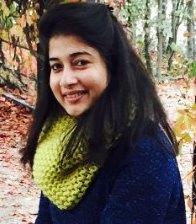
“These are extraordinarily dark times. Loved ones have been lost, and personal tragedies have been compounded by the inability to travel home. The anxiety, stress, depression and grief we are facing is all-consuming and exhausting. We must heal everyone we can, in any way we can. And we can choose to draw hope. We can draw hope from the kindness of those around us. We can channel our grief into action, our suffering into a collective effort. Let us together get to the other side of this virus, and build back a better world, better humanity,” Sanam Arora, NISAU UK Chairperson told Asian Voice.
Sanam, who has personally led efforts on social media, believes, “Giving is the most powerful weapon there is. Let us give more and be more. I can tell from the experiences of NISAU volunteers who have helped out many around them, despite themselves undergoing similar suffering, that there is no bigger strength than devoting oneself to helping others.”
Sanam’s team has so far, operated a 'man to man marking' system for specific cases of students where they felt certain individuals were particularly at risk of wellbeing issues, including for instance some extreme cases of students threatening suicide, where NISAU volunteers would regularly stay in touch with students and guide and escalate their cases as necessary.
“In a miraculous sort of way, it eases the pain,” she added.
Despite such grim conditions, Sanam further added, “In our collective grief lies incredible hope for humanity. While our suffering, loss, and the trauma many of us have undergone cannot be compensated; the hope of a better world rises like a phoenix from the ashes of this pandemic. It is up to us now to determine how we will build this better world, a world where the kindness of strangers that we have seen during the pandemic becomes our equilibrium.”
Losing a loved one from miles away often seems unreal
Author and journalist Ruhi Khan thinks it has been almost impossible to get out of the whirlpool of fear and dread. “Losing a loved one from miles away often seems unreal,” she rightly articulated and further added, “It takes a long time to process what really has happened and I think it is very difficult to find closure in such times. I often remind myself and others that it’s important to focus on our mental health and find some happy memories and create some relaxing moments that help us break out of the vortex of grief and fear. It’s not always easy but we cannot give up.”
“We felt this here in the UK this time last year and earlier this year; and just when London is slowly opening and the cases are subsiding, the second wave of Covid in India is out of control with so many friends and family battling the pandemic. Grief is perhaps a constant feature now,” she said.
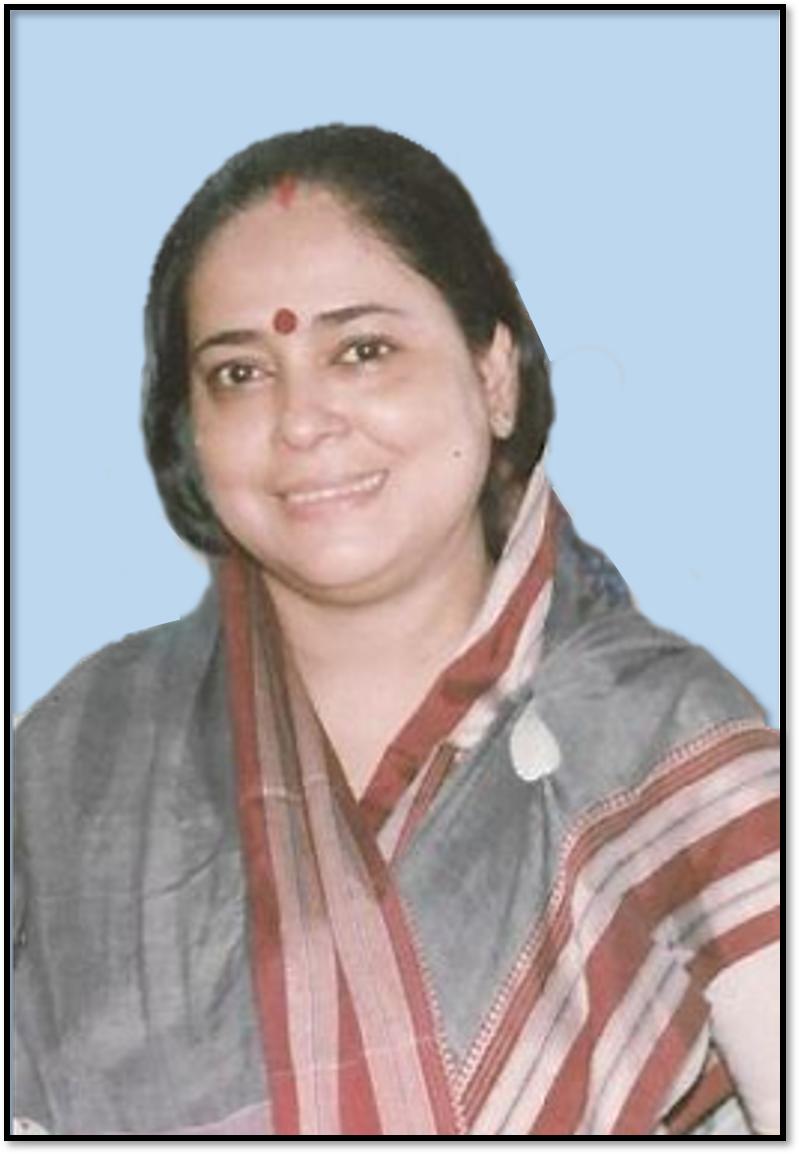
Anirban Mukhopadhyay lost his mother Gopa in the first wave of Coronavirus in Kolkata, India. He described this as “quite unreal” and said, “India was in a truly exceptional situation - my dad saw her last when he admitted her to the hospital. I was in the UK- myself recovering from a severe Covid attack including 2 weeks in ventilation and 55 days in the hospital. After my dad admitted my mother to the hospital, we only ‘heard’ about her- that she has Covid, that she is in ventilation, that she is no more, that her mortal remains are waiting to be cremated, and finally that she got cremated. No one in the family saw her. She almost vanished in thin air!”
Jayati Das who has been braving the pandemic all by herself in Hertfordshire told the newsweekly that she knows of many people who were not allowed to attend funeral service or permitted to say goodbye.
“Fortunately, my immediate family are fine. But in the greater family and friends, I know of some deaths. Even when the dead bodies were not released to perform the last rites. On a positive note, some have made a miraculous recovery. Some are suffering from ‘long Covid’. It is a mixed bag.
“I could not go and visit family like I do each November. It was hard not getting shopping slots from supermarkets. If my neighbours were not so generous and caring I don’t know, how would I have survived! My charity work and daily newspaper saved my sanity. The Zoom meetings and video calls were also God sent,” Das told Asian Voice.
Coping by volunteering
A London-based working mother, Charul Gupta, seconds the sentiment that it is indeed “very difficult when you are thousands of miles away from your family and are constantly hearing not so good news.”
“It was really heartbreaking as we lost a few of our dear ones. I tried to play my part as much from here, be it by amplifying the supply requests, facilitating live online Q&A sessions with doctors in India or now by doing a fundraiser. Considering Covid has spread widely in rural India and most of the villages are not well equipped with less awareness, I launched a fundraiser to help a few villages in the state of Uttar Pradesh. We will be completing our first round of supplies distribution this week. Really hope that the situation alleviates very soon.”
Speaking to the newsweekly, Cllr Pranav Bhanot said, "Once upon a time, I thought the traumatic impact of Covid-19 was something that I would simply read about in the news, and it wouldn't affect my family. I was wrong. In less than half a year we have lost on an average one close friend or family member every month. I have streamed more funerals than Netflix shows. As a family, the pandemic has given us a renewed appreciation of human life. We have therefore spent many hours volunteering either by giving food and clothes to the homeless, free half-term meals to the vulnerable and supporting NHS workers through the delivery of lunches to say thank you for their efforts. These are small gestures but a simple way we can make a slight positive difference in rather bleak times."
Suppression of emotions will lead to longer-term psychiatric problems
Deaths on such large scales are unprecedented even in peaceful times. And when in some families, adults are wiped out leaving young children to fend for themselves, it traumatises them for the rest of their lives.
Dr JS Bamrah CBE, Senior Consultant Psychiatrist, told the newsweekly, “The alarming death toll from the second wave of the pandemic is likely to cause a range of mental health problems in many people affected by the death of a loved one, and in the case of doctors, death of patients whom they have struggled to keep alive. Covid related deaths are like no other in modern times, and the mental impact on people will leave long-lasting scars from depression, Post Traumatic Stress Disorder, suicide. So, there needs to be preparedness for the country to deal with this pandemic of grief that will follow.
“There will need to be better awareness through media outlets, more availability of community support groups, religious leaders will need to keep open doors for those seeking religious solace, and for those with major mental health problems there needs to be good access to professional counsellors and psychiatrists.
“Suppression of emotions will lead to long-term psychiatric problems and difficulty in relationships or holding down jobs. Expression of thought, trying to assume normality despite the burden of loss, ensuring that everyone is looking out for everyone – all these strategies will help build resilience back in individuals and communities. Time will heal.”
Mental Health Foundation, UK in a statement said, “We all experience bereavement differently. But feelings of loss can be made more acute by current restrictions which make both end of life rites and mutual support more difficult. It is particularly important that we look after ourselves and each other, talk about how we feel and be there to listen to others when needed.”