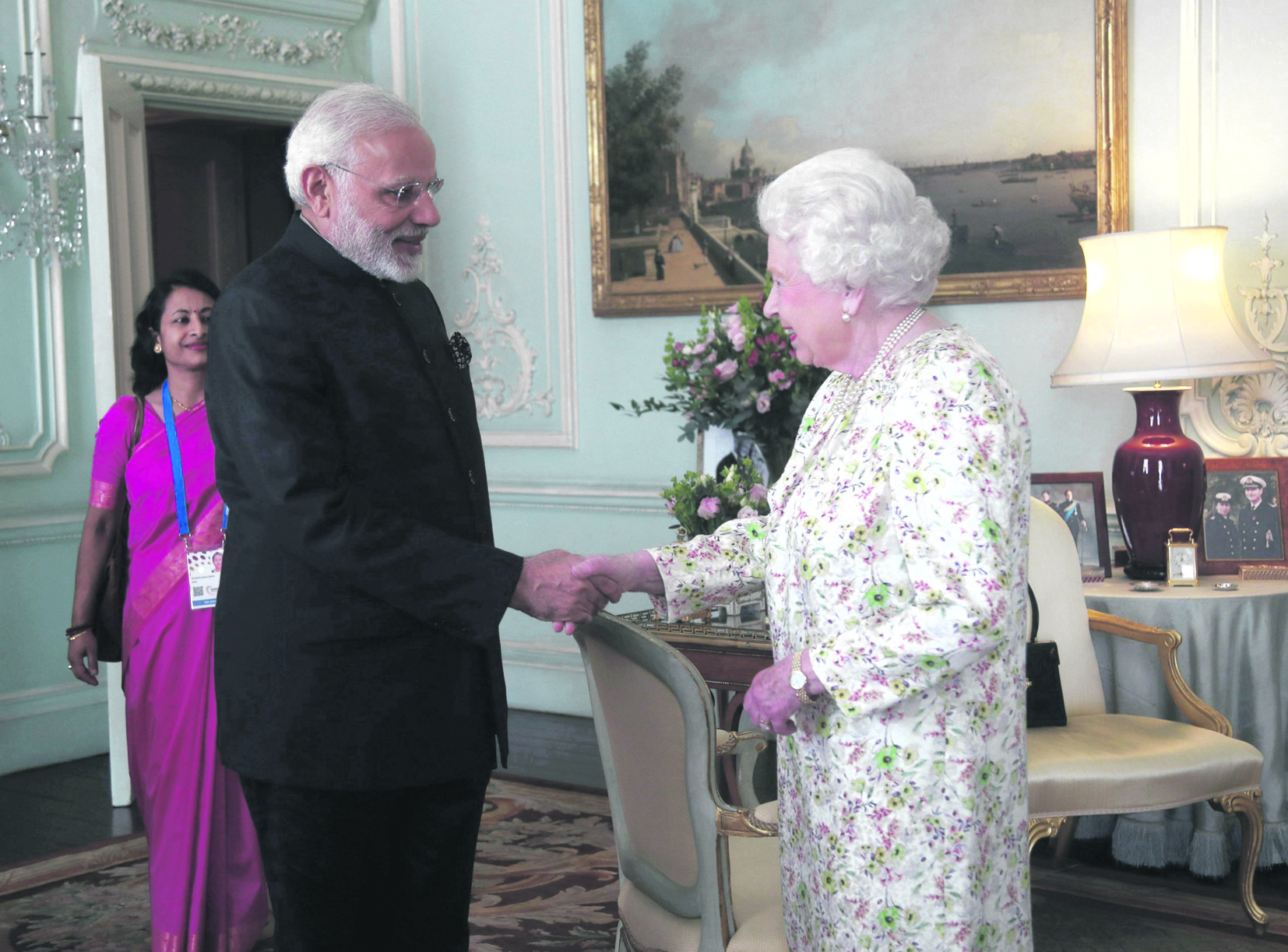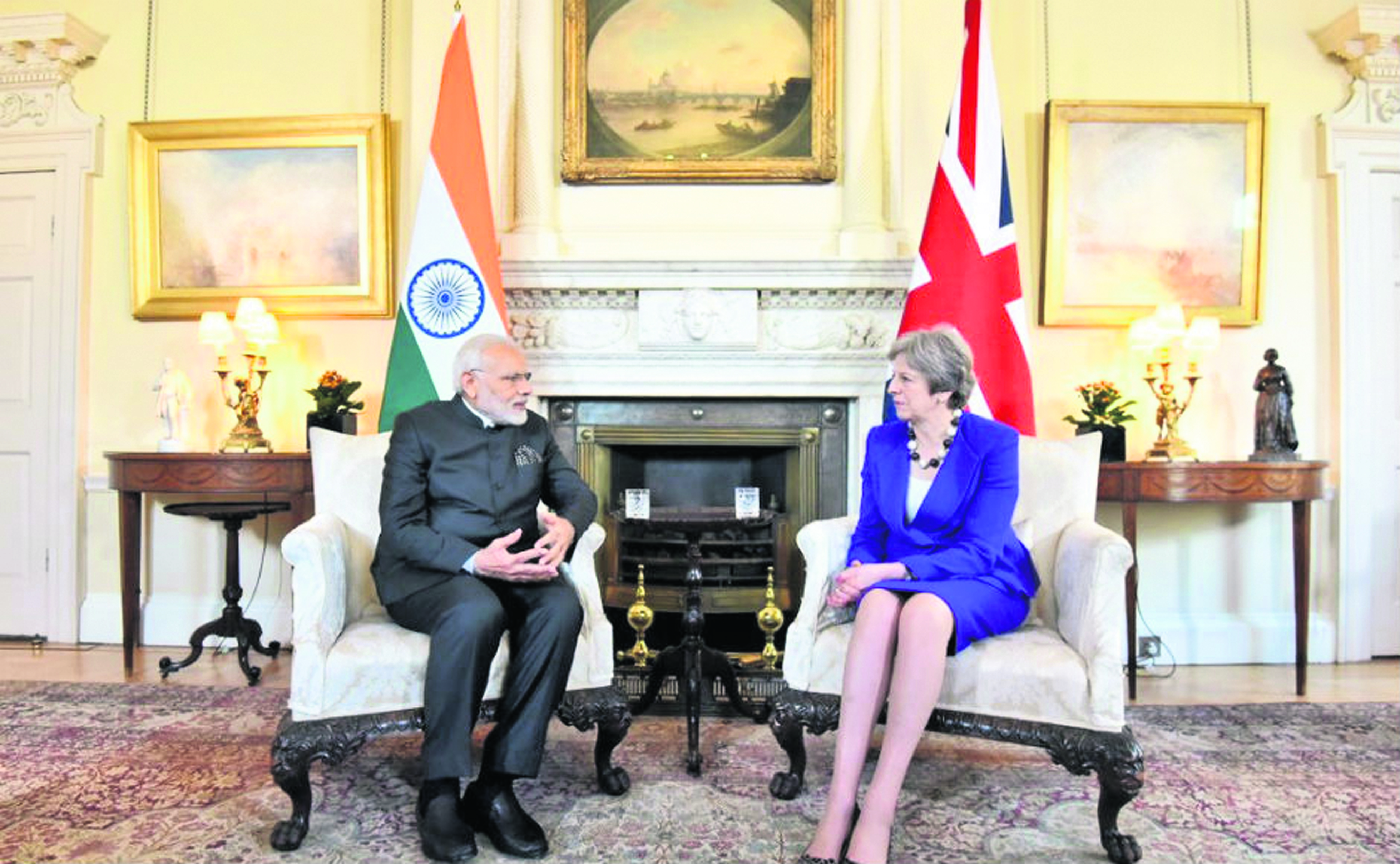

India has promised to invest more than £1 billion in UK economy which will create or save more than 5,750 British jobs while Indian Prime Minister Narendra Modi met his British counterpart Theresa May at 10 Downing Street. The two countries have also agreed to forge a new India-UK Trade Partnership following a joint trade review between the two countries earlier this year.
The new partnership will seek to improve the accessibility of trade for businesses in both countries as the UK assumes responsibility for its independent trade policy for the first time in 40 years. Focusing on the three key sectors of Life Sciences, IT and Food and Drink, the partnership will seek to reduce barriers to trade, making it easier for trade in these sectors to continue to flourish as well as developing an even stronger trading ties.
The UK also intends to recruit a cyber security expert in its High Commission in New Delhi and his role would involve sharing British expertise and connecting Indian private and public sector organisations with cutting-edge UK companies who can supply their specific requirements. The trade and services between the two countries have touched £18. billion in 2017, an increase of 15 per cent over 2016 figure. UK exports to India also increased significantly by 14.9%.
International Trade Secretary, Dr Liam Fox, said: “Removing barriers to trade is a key way in which the UK can capitalise on the predicted growth in world markets and so I’m delighted we have come to this new trade partnership with India. “It is clear that the opportunities for growth in trade with India are plenty, and as an international economic department we will continue to use tools such as trade missions not only to boost UK exports, but also to help businesses of all sizes forge ties and build, cultivate relationships with potential buyers and investors.”
Brexit & UK-India Relation
Prime Minister Modi's visit saw the launch of a package of technical assistance to help India climb further up the rankings for Ease of Doing Business, benefiting UK companies and the Indian economy alike. Additionally, the two countries have also agreed to strengthen ties between their respective agriculture industries. Trading relations between the UK and India received a boost recently after a series of visits and trade missions between the two countries. Earlier this year Baroness Fairhead visited Mumbai and Bangalore with a large group of technology businesses to strengthen ties between the industry in the two countries, this follows more than 100 UK businesses from different sectors visiting in January and February this year alone.
A Downing Street spokesperson said that both the leaders discussed the chemical weapons attacks in Salisbury and Syria, expressing concern and making clear their opposition to the use of chemical weapons by any party in any circumstances. May also reiterated the UK’s position on Russia’s recent destabilising behaviour, underlined by the attack in Salisbury and the protection provided for the Syrian regime’s repeated use of chemical weapons against its people.
They also discussed their shared priorities in the Indo-Pacific and committed to working more closely together to ensure it remained free and open. They reflected on the progress made on bilateral defence and security cooperation since the Prime Minister’s visit to India in 2016 and the agreement to a number of Defence Capability Partnerships in key strategic areas, with closer military-to-military ties underpinned by a succession of high level visits and exchanges. They agreed to continue working together closely to combat terrorism, radicalisation and online extremism. They also discussed co-operation between the two countries on legal matters.
May also updated Modi on the progress of the UK’s withdrawal from the EU, saying the implementation period agreed in March gives Indian companies and investors the confidence that market access will continue on current terms until the end of 2020. May also reiterated that the UK will remain committed to global free trade and investment and that the UK will remain a leading hub for global finance. Prime Minister Modi said there would be no dilution in the importance of the UK to India post-Brexit. He said the City of London was of great importance to India for accessing the global markets and would remain so.
The two leaders said trade between the UK and India had grown strongly over the last year and Modi said that Brexit offers opportunities to further increase trade ties. Both the Prime Ministers welcomed the £1 billion of commercial deals which has been agreed earlier the day. They agreed to build on the recommendations of the UK-India Joint Trade Review to reduce barriers to trade, to make it easier to do business in both countries and enable a stronger bilateral trade relationship for the future.
Both Modi and May also discussed the new UK-India Tech Partnership agreed which would create thousands of jobs and generate significant investment in both economies. Finally they looked forward to the Commonwealth Heads of Government Meeting and agreed on the importance of working together to build a more sustainable, prosperous, secure and fairer future for all Commonwealth citizens.
Other discussions included FTA, free movement of Indian professionals and students (visa issues), science and technology, counter terrorism, to name a few. The MoU regarding illegal immigrants was not signed.