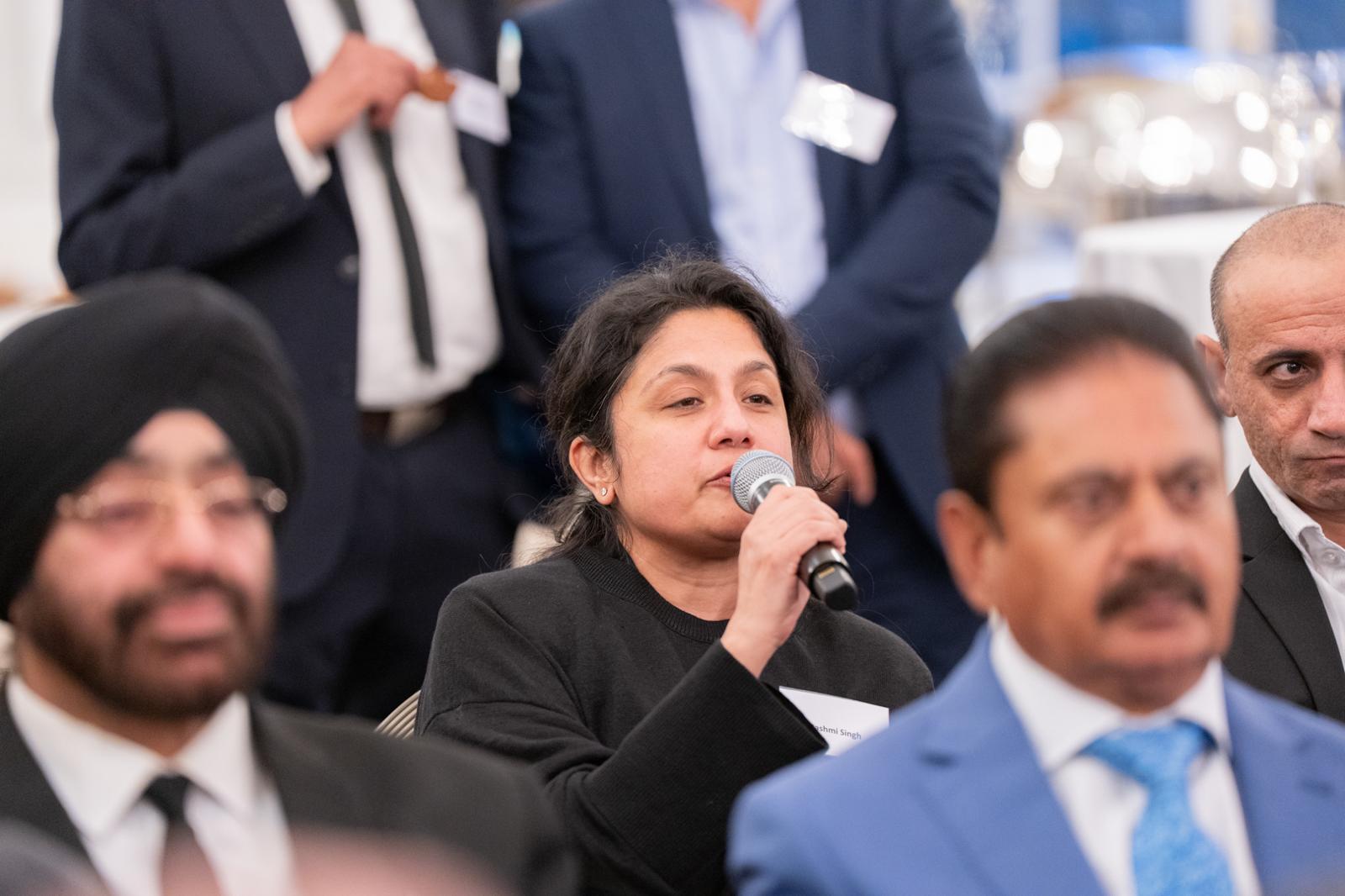
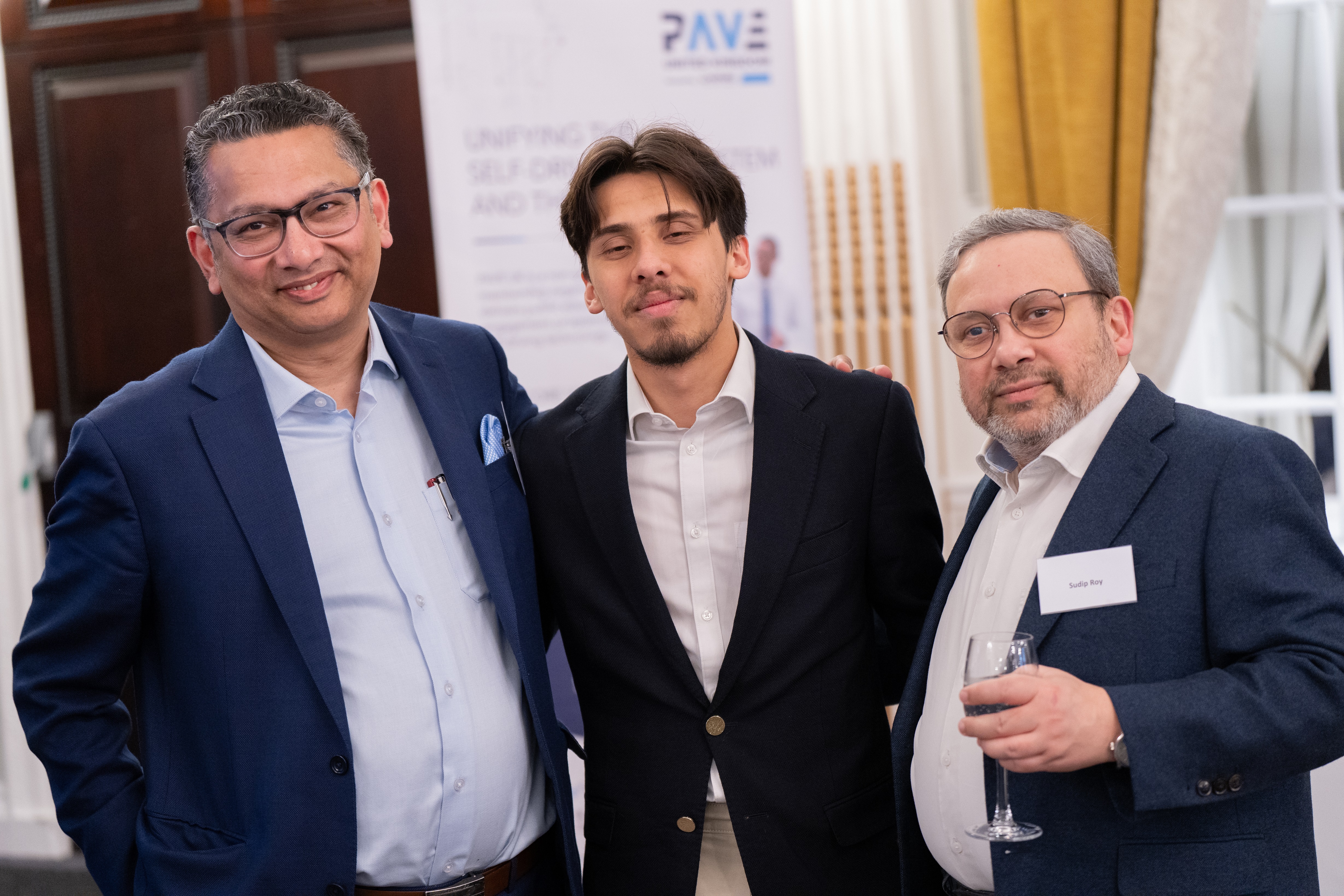
At a time when artificial intelligence is reshaping industries and redefining mobility, Our Robotaxi Future, hosted by Asian Voice in collaboration with WMG at the University of Warwick and PAVE UK, brought together leading voices from technology, investment and academia to examine what lies ahead on April 20 at The Royal Automobile Club.
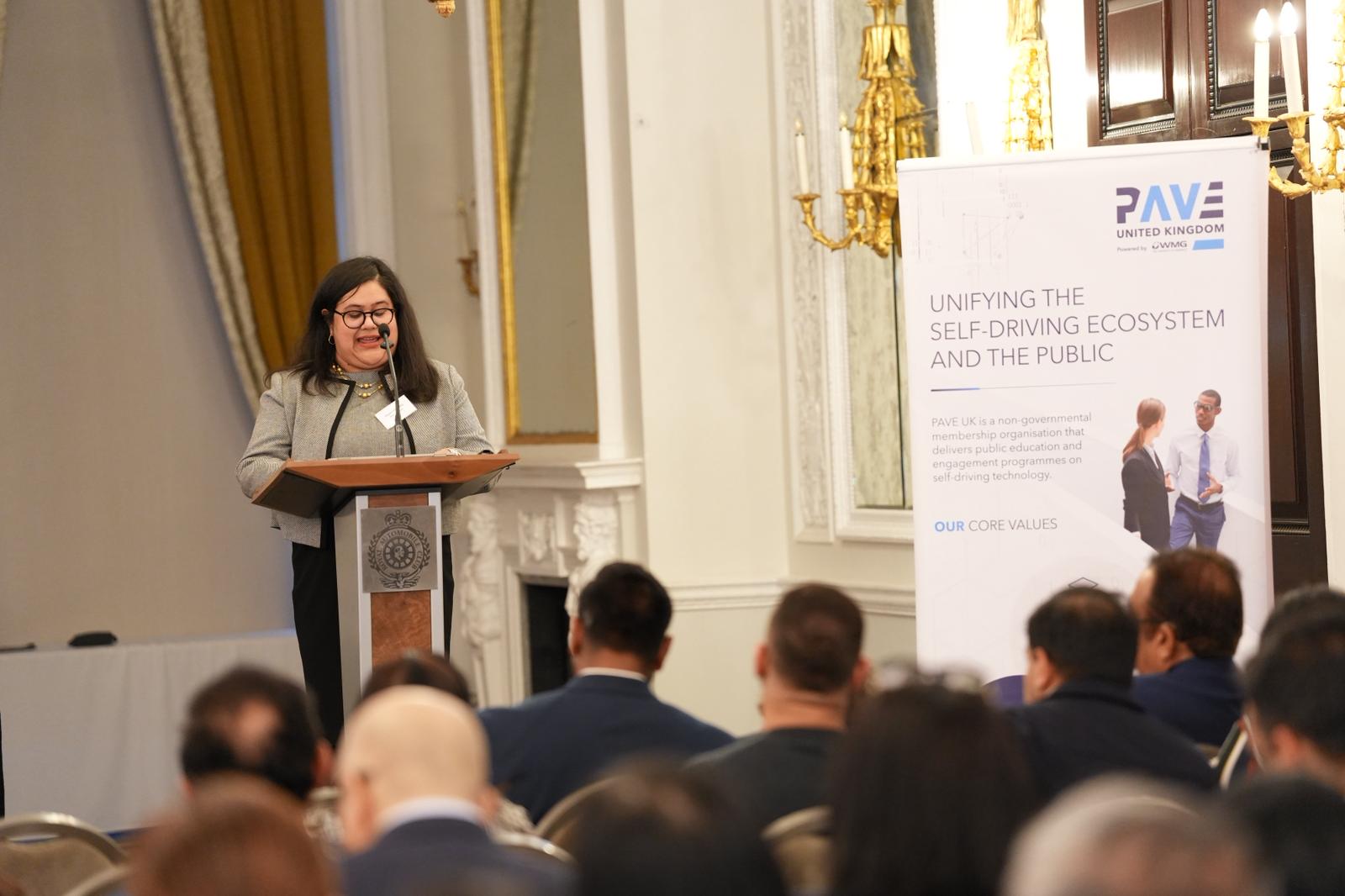
Rupanjana Dutta, Managing Editor of Asian Voice, opened the event by welcoming guests and reflecting on AI’s growing everyday presence, while stressing that innovation brings challenges, and underscoring the need for open dialogue, shared understanding and community engagement.
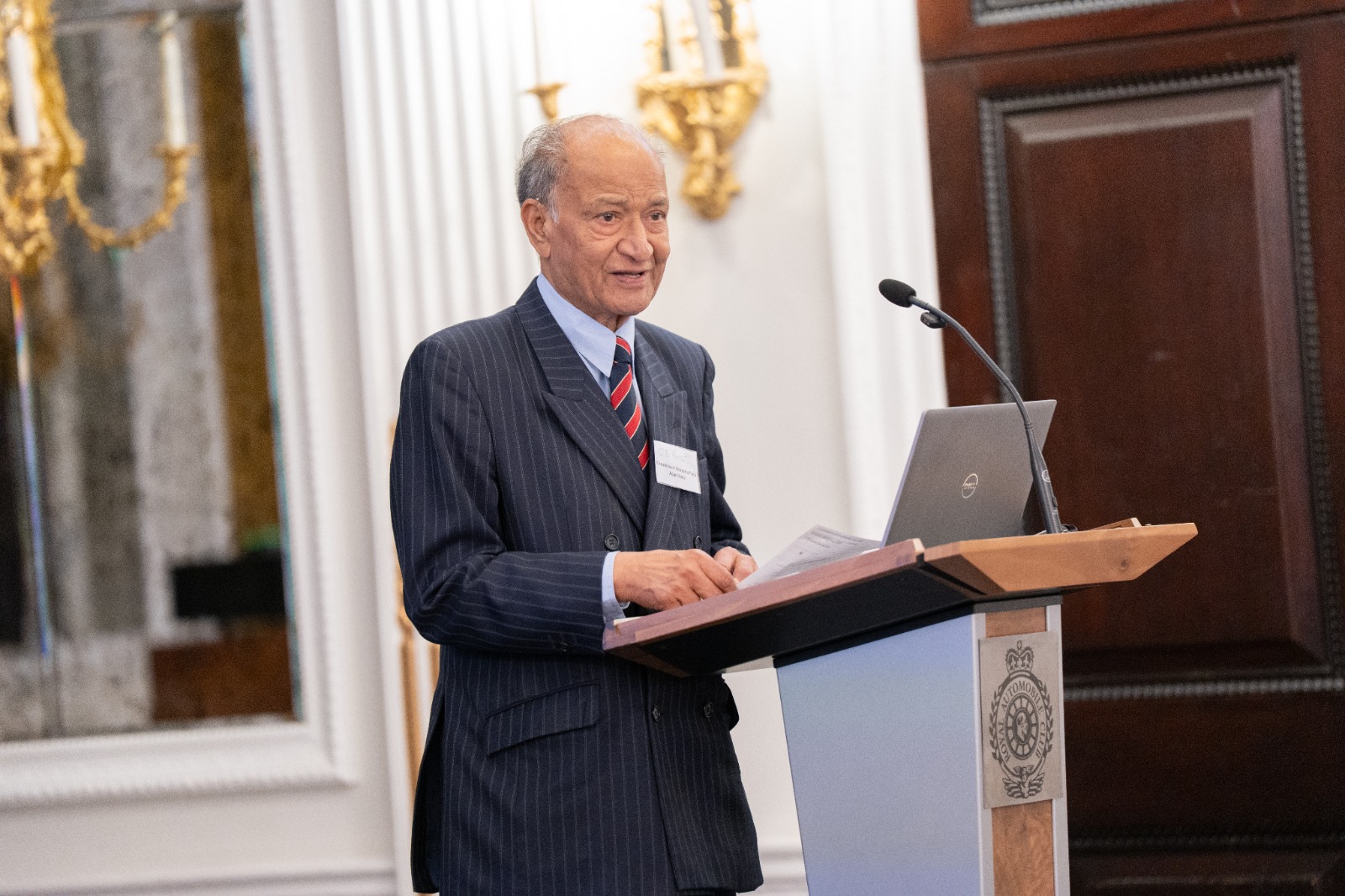
Professor Siddartha Khastgir, Head of Safe Autonomy at WMG, University of Warwick and Director, PAVE UK, set the tone with a sobering reflection on global road safety. With over 150,000 annual road deaths in India, around 30,000 people killed or seriously injured each year in the UK, and an estimated 1.25 million deaths worldwide, he challenged what he described as society’s quiet acceptance of these losses.
Automation, he argued, offers a tangible path forward with the UK leading via various initiatives and the Automated Vehicles Act 2024.
From the industry perspective, Daniel Quirke, Senior Manager, Global Technical Assurance, Wayve highlighted the growth of the company, $2.8B funding, London testing, and upcoming supervised trials with Uber.
Quirke emphasised that the future of autonomy extends far beyond robotaxis. The real ambition is scalable intelligence, systems capable of operating across a wide range of vehicles and environments. The UK, he noted, is uniquely positioned to lead in regulation and innovation, offering a strong competitive edge in this rapidly emerging sector.
Offering a financial and strategic lens, Rupa Popat, Founder and Managing Partner at Araya Ventures described how artificial intelligence is already transforming industries. Managing a $100 million early-stage fund, she noted that 70% of investments target AI, from life-saving healthcare tools to retail efficiency solutions. While acknowledging job displacement risks, she emphasised prioritising meaningful problem-solving and measurable impact over pursuing technology for its own sake.
For Kavita Reddi, co-founder of Voxtaand Chair of Board of Trustees at the University of London, the conversation turned toward usability and inclusion. Her work with multilingual voicebots in India has demonstrated how AI can reach millions, particularly in political and public engagement contexts, arguing that the best technology is invisible; like calculators, AI won’t replace thinking but reshape it, with success driven by storytelling and strong product–market fit.
Across the discussion, a common theme emerged: public perception remains deeply divided. Autonomous vehicles and AI systems are often met with both excitement and resistance, reflecting broader anxieties about safety, control and employment.
Panellists agreed that building trust will require more than technological breakthroughs while transparent communication, real-world demonstrations and gradual adoption will be key to bringing the public along.
CB Patel, Chairman, Asian Voice and Gujarat Samachar delivered a warm and reflective address that blended personal anecdotes, community pride, and a forward-looking message of hope, framing the event not as a standalone discussion but as the beginning of a broader journey.
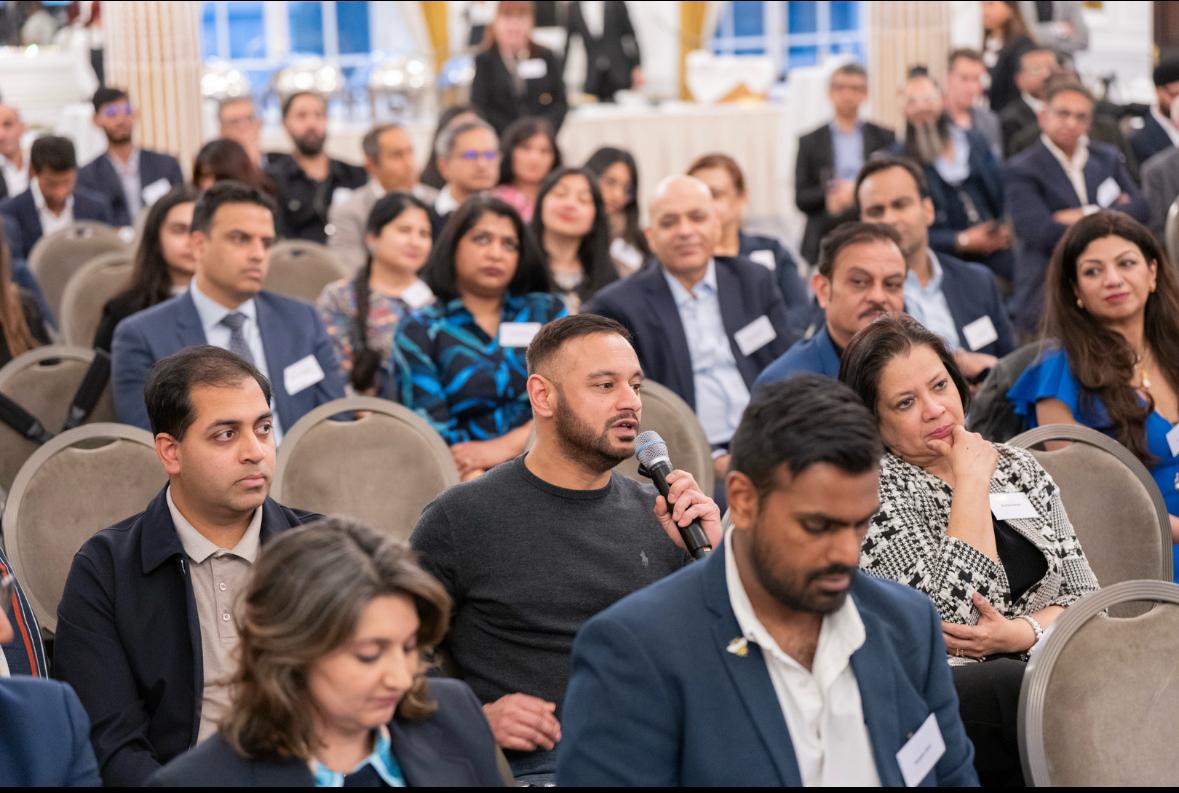
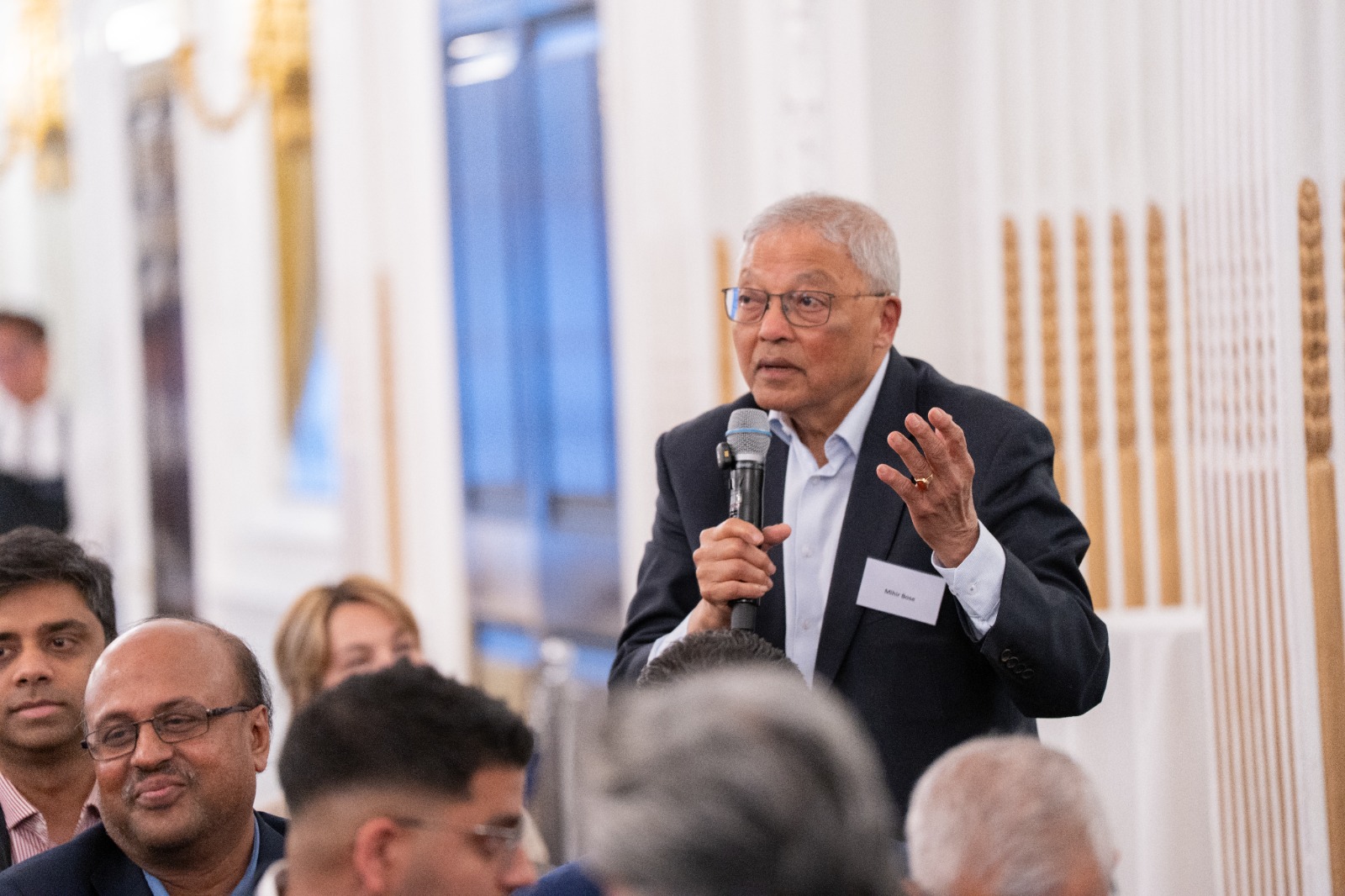
Rather than offering definitive answers, Our Robotaxi Future emphasised the importance of dialogue. The event invited audiences to engage critically, ask questions and grapple with the implications of a rapidly approaching autonomous era.
Key highlights from the panel discussion:
- AI is an enabler, not the end goal that should support decision-making, not replace it. The “human-in-the-loop” remains critical. Simply a tool, its value lies in solving real-world problems, not in the technology itself.
- Self-driving cars described as one of the most complex forms of AI because they operate in unpredictable, real-world environments. The goal is scalable intelligence that can function across vehicles and geographies, not just robotaxis.
- Public trust is a major challenge, with opinions often divided. Communities need dialogue, not persuasion for better understanding
- AI systems will always carry some risk. The goal is continuous monitoring and quick response, not perfection. While it can both find and fix vulnerabilities, as threats evolve, so must defence systems.
- AI will displace some jobs while creating new industries, demanding large-scale reskilling and policy action. Gradual yet profound, future success hinges on AI literacy, adaptability, creativity, and lifelong learning.
Professor Siddartha Khastgir
Director, PAVE UK
Head of Safe Autonomy, WMG University of Warwick, UK
“With over 30,000 people killed or severely injured annually due to road crashes in the UK, road safety is a pandemic that needs urgent attention. In 90% of these crashes, driver error has been one of the contributing factors. One of the technologies to help improve road safety is the introduction of selfdriving vehicles.
“And with selfdriving vehicles planned for deployment on London streets this fall, the technology will succeed, only if public trust and accept it.
“As PAVE UK Director, we were delighted to partner with Asian Voice to engage with the British Asian community to raise awareness as well as understand and address their concerns around the selfdriving vehicle technology. We strongly believe that effective public awareness on self-driving technology must be multilingual, community-led, and genuinely two-way.
“Bringing together a diverse panel, and an engaging audience, fostered stimulating conversations, and got the audience excited to experience the technology. There is no better substitute to building trust in technology, than experiencing it.”
Kavita Reddi
Co-founder of Voxta
Chair of Board of Trustees at the University of London
“It was great to join Professor Siddartha Khastgir, Rupa Popat and Daniel Quirke to discuss ‘Our Robotaxi Future’ - organised by Pave and the 'Asian Voice'. The wide-ranging discussion with a really engaged audience was proof that the debate is not simply about robotaxis.
“Autonomous cars are simply one step in the AI journey humanity is on. We need to redefine what it means to be human, as we have done through the millennia- adopting technology and adapting to innovation. Education is vital - to help us shape our talents, prepare our youth, and manage our expectations for this brave new world.”
Daniel Quirke
Senior Manager, Global Technical Assurance, Wayve
“This year marks an important step towards introducing self-driving technology to UK roads in a safe and responsible way. Our ambition is to enable autonomy for any vehicle, anywhere by developing AI technology that can navigate the human world safely and efficiently.
“Through the application of Wayve technology, we aim to play a leading role in helping shape Britain’s self-driving future, with the potential to improve road safety and support economic growth.”
Rupa Popat
Founder and Managing Partner at Araya Ventures
“The Robotaxi Future event reinforced something I deeply believe: we are not witnessing the disruption of society but rather we are witnessing its redesign. From how we move, to how we work, to how we educate the next generation, AI is prompting us to reimagine everything. The conversation around shorter university courses, workforce reskilling and rebuilding trust in new technology was as important as the technology itself. Rather than focusing on fearmongering, we spoke about what is actually moving the needle and the problems being solved and the lives being improved.
“With over 30,000 road fatalities in the UK, autonomous vehicles are ushering in an era of safer driving. This is what responsible innovation looks like, and as an investor, it is exactly where I want to place my conviction.”