A report by the Social Mobility Commission has found that young Muslims living in the UK face serious social mobility issues. Based on in-depth focus groups and interviews conducted by a team of academics led by Sheffield Hallam University, the report explored the attitudes and reasons behind the broken “social mobility promise” by examining youths of the community- their perceptions and experiences of growing up and seeking employment in Britain.
Only one in five of the Muslim population within the economically active population is employed full time, as compared to more than one in three of the overall population. Muslim women in the UK are more likely to be economically inactive with 18 per cent of Muslim women aged 16 to 74 stated as “looking after home and family”. Only about 6 per cent of Muslims are in “higher managerial, administrative, and professional occupations” as compared to 10 per cent of the overall population.
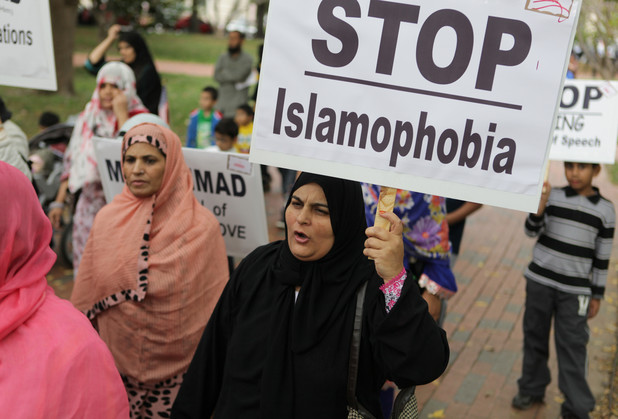
The report reveals several barriers affecting Muslim students in schools and colleges, citing incidents of islamophobia, discrimination and racism. It suggested that many of the issues were even worse for the fairer sex. Young Muslims feel their parents hold high but different expectations for boys and girls- regarding their educational and employment outcomes. While boys are seen to have more freedom, women are encouraged to focus on marriage and motherhood instead of trying to gain employment.
Rt Hon Alan Milburn, chair of the Social Mobility Commission said, “The British social mobility promise is that hard work will be rewarded. Unfortunately, for many young Muslims in Britain today, this promise is being broken. This report paints a disturbing picture of the challenges they face to making greater social progress. Young Muslims themselves identify cultural barriers in their communities and discrimination in the education system and labour market as some of the principal obstacles that stand in their way. Young Muslim women face a specific challenge to maintain their identity while seeking to succeed in modern Britain.”
He added, “These are complex issues and it is vital they are the subject of mature consideration and debate. It is particularly important to hear from young people from the Muslim community and respond positively to them.”