On Tuesday 14th July, medical experts and scientific advisors warned that the UK can record up to 120,000 deaths due to a second wave of Coronavirus. The NHS has already been under considerable strain owing to Covid-19 and professionals believe that the flu season is likely to exacerbate the healthcare system. These stark warnings appear as doctors warn Covid-19 patients of long-term side effects with some likely to be re-infected from the virus.
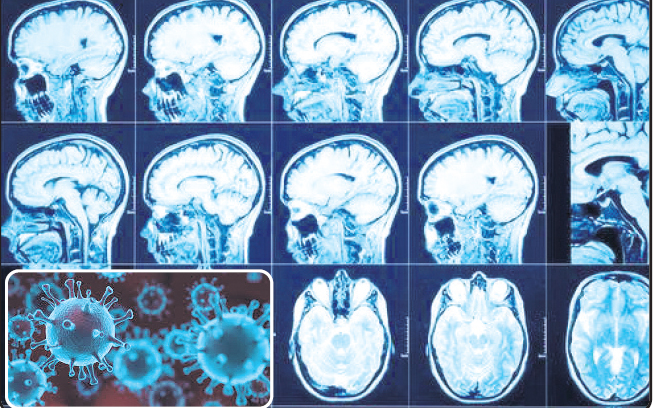
Until recently coronavirus was primarily considered to be a respiratory illness which can result in multi organ failure especially for patients with pre-existing illnesses. Now, doctors have warned of subsequent neurological disorders from Covid-19 with complications ranging from brain inflammation to stroke. DrAravinthanVaratharaj is a neurologist part of the CoroNerve Studies Group co-ordinating national surveillance for neurological complications of the Covid-19 pandemic.
Speaking to Asian Voice, about the first signs of brain disorder, he said,“We already know that infections in the body can affect the function of the brain and mind. Most of us have already experienced this to some extent – for example, if you have ever had the flu, for a while you probably felt tired, lost your appetite, and may have found it difficult to think clearly. This is a normal response, your brain is telling you to get some rest. In healthy people, these symptoms are usually short-lived and recover completely.
“However, in people who already have an illness of the brain or mind, or in the elderly, infections can provoke more of a worsening. This sort of confusion is called delirium. It usually starts suddenly and the person may be less aware of what is going on around them, and unable to follow a conversation. Sometimes they may be restless and agitated, or sometimes unusually quiet and sleepy. Almost any infection can cause this sort of response, and Covid-19 is no different.
“Other neurological complications of Covid-19 are almost certainly much rarer, and we do not yet have good evidence to know if the virus itself is the cause. In particular it does not seem to be the case that the virus infects the brain directly (only a handful of cases have been reported, out of millions of infections). Instead most complications are probably caused by the body’s own immune system trying to fight the virus, and upsetting the delicate function of the brain as a side-effect.”
Short-term memory loss, impaired mobility and psychosis
Recent case studies published of more than 40 UK Covid-19 patients in the journal Brain highlighted that complications ranged from brain inflammation and delirium to nerve damage and stroke. In some cases, the neurological problem was the patient’s first and main symptom.
These cases also revealed a rise in a life-threatening condition called Acute Disseminated Encephalomyelitis (Adem). Additionally, doctors warn of the long-term health effects of Covid-19, which have left some patients breathless and fatigued long after they have cleared the virus, and others with numbness, weakness and memory problems.
Some doctors have even warned that the full scope of brain disorders caused by Covid-19 may not have been picked up yet, because many patients in hospitals are too sick to be examined in brain scanners besides an existing shortage of scanners at hospitals. Therefore, patients especially elderly suffering from pre-existing mental illnesses such as depression, anxiety, Parkinson’s, Alzheimer’s should take special caution and continue with prescribed medication.
Dr Varatharaj insists,“People with Parkinson’s should be especially careful to continue taking their medication regularly if they are unwell, and if they are unable to swallow tablets then they need urgent medical help.”
Blood clots in vascular systems and other organs
These warnings appear as doctors in Italy report about insomnia, psychosis, spinal infections and impaired mobility among those Covid-19 patients who have recovered. They have even warned that some people may find that their ability to properly work, to concentrate, and even to take part in physical activities will be severely impaired. But more concerning is the fact that the doctors believe not just the old but even those as young as 16-year-olds are vulnerable to such life-long side-effects of Covid-19. Does that mean that the virus is mutating? Especially as pathologists in New York recently highlighted that autopsy results of Covid-19 infected patients showed multiple blood clots were present in almost all organs of the body resulting in multiple organ failure?
DrArjun Ghosh is a Consultant Cardiologist at UCLH and Barts Heart Centre. He said,“Blood clots were seen in a lot of vascular systems at the beginning. Patients were coming in with thrombus in the heart besides other places. The difference now is the long-term effect of Covid-19 which is expected because we still don’t know a lot about the virus.
“People who are diagnosed with the virus may present different features from those who were diagnosed early on in March. But presently, people are complaining of long-term effects including short-term memory loss, brain fog, inability to form words, and problems with mortar ability. None of these patients had any primary neurological illnesses so this is unusual. And it is not just those people who are severely infected who are suffering from the long-term manifestations of Covid-19.”
While not much is known about the virus, several countries are in the race to manufacture a Covid-19 vaccine. Oxford University’s vaccine presently under phase III of the trial is believed to be the first one to be out in the market. However, a vaccine is does not guarantee that Covid-19 can be cured completely. In a bid to prevent further deaths from coronavirus, doctors have relied on drugs such as Dexamethasone and Remdesivir to improve recovery periods and reduce possibilities of putting patients on ventilators. Speaking about the possibility of these drugs helping with neurological illnesses, Dr, Varatharaj said,“Dexamethasone works by dampening down the body’s immune response. Since it is the immune response which may be attacking the brain as a side-effect when trying to clear the virus, drugs like dexamethasone (steroids) may also be useful for some neurological complications, especially when there is evidence of inflammation in the nervous system. We are investigating the effect of this and other treatments in the CoroNerve study.”
Renal failures and transplant guidelines
Some people with Kidney disease are extremely vulnerable to Covid-19 infection and are also advised to follow self-isolation.Patients with end-stage kidney disease have been particularly affected: with lack of availability of transport impeding their ability to access regular dialysis. Sunil Daga is a consultant Nephrologist at Leeds Hospital. Daga, says very little data is available in terms of helping Kidney transplant patients continue with their treatment after being affected from Covid-19. They have been following national guidelines wherein patients are reminded not to stop their immunosuppression in the event of infection, unless recommended to do so by a transplant professional.
The national public health guidelines around renal transplantation also states that recipients with active Covid-19 or recovering from an acute Covid-19 infection should not undergo transplantation. Additionally, the decision to undertake transplantation during the outbreak will need to be made on a case by case basis where the risk of infection at a time of peak immunosuppression must be balanced against the risk of organ failure or treatment of organ failure and patients for transplantation must be counselled about the added risks.