Matribhasha Diwas is observed every year on February 21 to promote linguistic and cultural diversity and multilingualism around the world and is recognised as International Mother Language Day worldwide by UNESCO. The day is a tribute to all language martyrs in Dhaka, Bangladesh.
This year, the Digital Museum held a series of webinars with communities of various ethnic groups on February 21 to mark the day. The discussions reminisced how on February 21, 1952, police opened fire on peaceful protestors at student rallies in Dhaka for demanding Bangla should also be recognised as a national language of Pakistan along with Urdu. Five died and hundreds were injured that day. 21 February is therefore commemorated each year by Bangladeshis in recognition of the sacrifices people made for their mother tongue. The sessions were moderated by Jibunnessa Abdullah, Founder & Director Digital Museum.
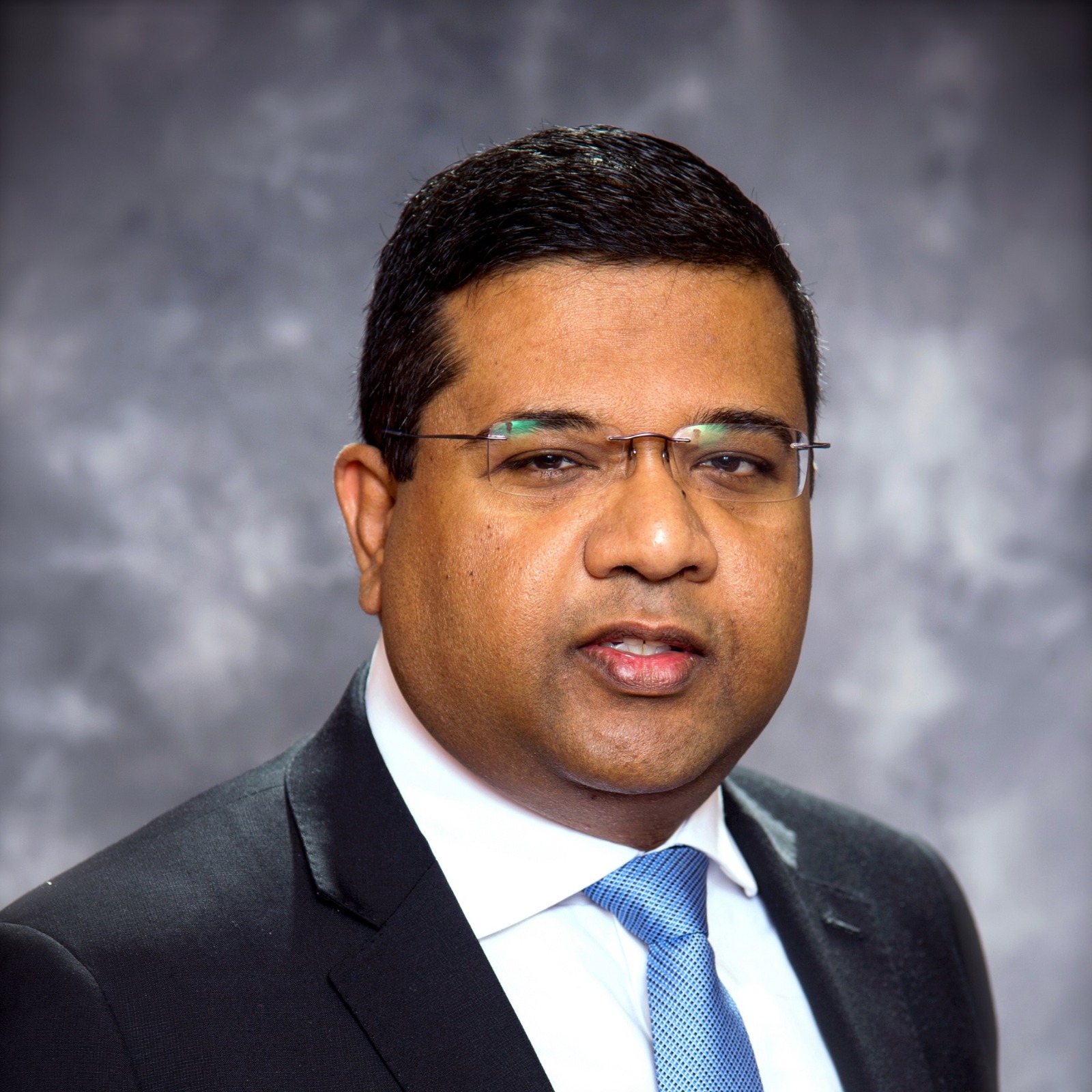
Suranjan Som, Vice President, Bengal Heritage Foundation and London Sharad Utsav told Asian Voice that the Bengal Heritage Foundation has tried to act as a living bridge between Bengal and the rest of the world, particularly the UK, by co-ordinating diaspora-based initiatives across arts, culture, education, heritage and trade. He said, “Bangla is at the heart of our heritage and our roots, It defines our legacy. As an organisation and as individuals, we have strived to keep Bangla relevant not just to the wider community, but most importantly to our future generations. Majority of our events from Fagun Fest (celebrating folk art, music and food of Bengal) to the official celebration of Rabindra Jayanti at the Nehru Centre in London to celebrating 100 years of Satyajit Ray to organising the largest Durga Puja in Europe, we are doing every bit we can keep our mother tongue living and relevant in our hearts and minds.”
Essex Indians (EI) registered charity held a webinar to mark the day. The Chief guests were Hon’ble Mayor of Chelmsford Jude Deakin and Hon’ble Mayor of Basildon David Burton-Sampson. The distinguished honoured guests were Prof Antonella Sorace who is an expert on Bilingualism and Multilingualism and Prof Bashabi Fraser honoured with CBE in 2021. The webinar was presented by Dr Arpita Ray, Trustee and Cultural Secretary reciting ‘ Aamar bhasha’ written by her schoolmate Sweta Bhattacharya and Dr Fraser describing the evolution of Bhasa Dibosh in Scotland. Dr Anirban Mandal, Trustee and General Secretary of EI sang the concluding song ‘ Ekushe February’ - the landmark song of Bhasa Dibosh.
In a world where communication is key and everything depends on the language we speak and understand, it is imperative to acknowledge that all languages spoken by the diaspora in the UK have their own impetus.
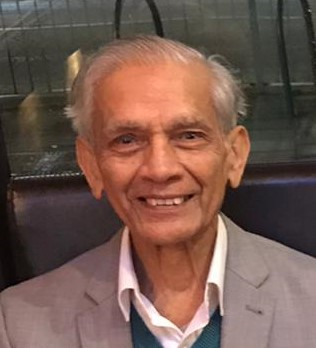
Dr Vinod Kapashi OBE shared his two cents with the newsweekly on the importance of Gujarati language. Dr Kapashi said, “If anyone asks me why I like Gujarati language so much, my simple answer would be ‘Of course I like… It is the language of my mother, my state, my roots, my culture and above all my entire existence’. I feel at home when I speak to someone in Gujarati. We were taught in our childhood that if you want to preserve your culture and if you want to maintain an affectionate bond with your own root, your mother language is the most important tool. It is said that if you want to understand a foreign culture and foreign language, it will be easier to do so with the help of your own language. Mother language is a MOTHER,” Dr Kapashi added.