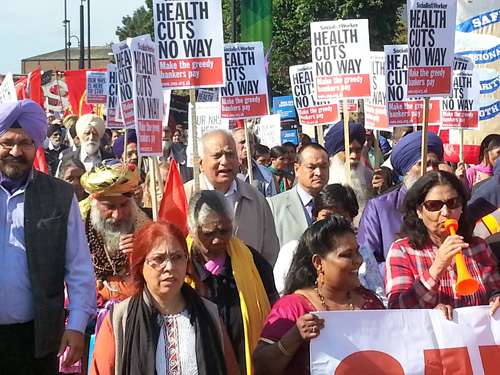
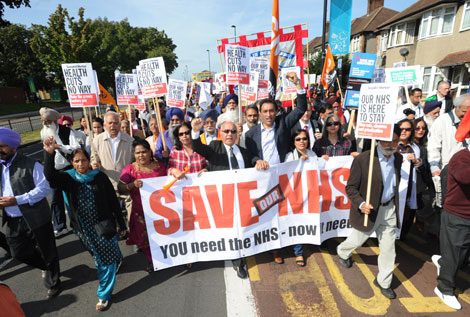
One of the most talked about issues amongst ethnic voters, in the run-up to this general elections is health, as spending becomes a major political fight between parties, that are competing to offer answers to the huge challenges the NHS faces in England. A report published in last October warned that the health service in England could face a £30bn annual shortfall by 2020.
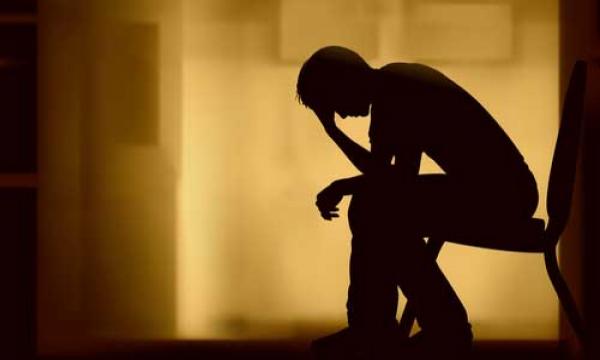
With more and more PCTs being shut down, the locals face several problems. As the older population suffer more, in order to travel longer and further to see a doctor, severe benefit or financial cuts lead to increasing problems like uncontrollable mental health illness amongst youngsters, that the NHS fails to address in absence of adequate funds.
According to a guide published by the BBC following are the spending plans for NHS in the next five years by the five main parties:
The Conservatives
- The Conservatives have promised to ring-fence and assist the NHS budget, so spending would increase in line with inflation.
- Chancellor George Osborne, in the 2014 Autumn Statement announced that in the beginning of 2015/16, an extra £2bn a year will be allocated for frontline health services across the UK. However they were severely criticised after it emerged that the £2bn sum actually included £700m of the money underspent that was already allocated to the NHS budget.
- The extra £2bn a year is for the whole of the UK and includes £300m funding for the designated nations to be allocated under the Barnett formula. The Tories have said that an extra £2bn would be spent every year of the next parliament but haven't specified where the money for the years beyond 2015/16 would come from.
-The party has also specified that £300m of the £2bn will be spent each year for four years by modernising GP surgeries across the UK, paid for through fines imposed on banks after the Libor rate-rigging scandal.
The Labour Party
- Labour says its extra NHS funding would pay for 20,000 more nurses and 8000 extra GPs.
- Labour has promised to keep the NHS ring-fence and spend an extra £2.5bn a year - over and above the Conservative plans - across the UK by the end of the next Parliament, paid for by a mixture of its mansion tax, tax avoidance measures and a windfall tax on tobacco companies.
- The party was criticised after it became clear that the promised £2.5bn would not be available in the first year of the new parliament, Labour has clarified that it would take time to raise the new revenue and there are suggestions it would not be available until 2017-18.
- The proposed tax avoidance clampdown involves stopping hedge funds avoiding hundreds of millions in tax on shares, closing the 'Eurobonds' loophole which is being exploited by some large firms to move profits out of the UK and stopping 'umbrella companies' being used to avoid tax and national insurance.
- The mansion tax would be levied progressively on properties over £2m, with "protections" for people who do not have a high income but happen to live in an expensive property. Labour estimates that the mansion tax would provide £1.2bn of the promised £2.5bn.
- As with the Conservative pledge, a proportion of the extra money would be allocated to the devolved nations under the Barnett formula. Labour's leader in Scotland, Jim Murphy, provoked a row by announcing that 1000 extra Scottish nurses would be funded from Scotland's proportion of the money raised by the mansion tax.
- Labour leader Ed Miliband told the party's 2014 conference: "We will transform our NHS... we need doctors, nurses, midwives, care workers, who are able to spend proper time with us, not rushed off their feet. So we will set aside resources so that we can have in our NHS 3,000 more midwives, 5,000 more care workers, 8,000 more GPs and 20,000 more nurses. And in order to pay for it we won't borrow an extra penny. Or raise taxes on ordinary working families. "
- Labour also says it wants to bring health and social care together but has not specified details of how it would do this, when it might do this or what it might cost.
The Liberal Democrats
- The Lib Dems say their NHS plans will be funded from the proceeds of economic growth.
- The Liberal Democrats have promised to meet "in full" the £8bn extra the NHS managers say is needed by 2020.
- The plan is broadly based on the economy recovering in line with current projections made by the Office for Budget Responsibility, and would go alongside continued efficiencies and reforms in the NHS.
-Lib Dem leader Nick Clegg said: "The big, big difference between ourselves and Labour and the Conservatives is that we have said that once we have dealt with the structural deficit, once we have dealt with it in 2017/18, we will link the amount of money going into public services - including the NHS - to the growth of the economy." In the shorter term, the party has set out some commitments to extra spending.
- The Lib Dems are promising an extra £1bn a year above Conservative plans from 2015/16 - to be funded from reducing tax relief, increasing tax rates on share dividends for high earners, and repealing the Conservative policy of allowing businesses to offer shares to workers in return for giving up their employment rights. Half of this £1bn would be spent on mental health services, a Lib Dem priority.
-The Lib Dems' timeline involves:
* Baselining into the budget of the NHS the additional £2bn announced in the Autumn Statement for 2015/16.
- Investing a further £1bn in real terms in 2016/17, as outlined above
- Assuming the deficit is tackled by 2017/18, they would then increase health spending in line with growth in the economy.
-The party also says it will ring-fence the NHS budget and pool the health and social care budgets.
UKIP
- Nigel Farage has suggested health spending should not be ring-fenced
- UKIP is currently the only main party not pledging any extra cash to the NHS; it is instead committed to reprioritising what the NHS does.
- The party has made no commitment to keep the NHS ring-fence and has in fact hinted that they would get rid of it.
- UKIP leader Nigel Farage has said the idea of replacing the NHS with an insurance-based system is "a debate that we're all going to have to return to".
- Specific policies include:
- Keeping the NHS free at the point of delivery
- Ensuring all migrants and visitors have NHS-approved medical insurance as a condition of entry to the UK, saving an estimated £2bn per year
- Spending £200m of this saving on ending hospital car parking charges
Green Party
The Green Party says health spending should be "maintained at around the average in the European union".
The party says an NHS tax, earmarked to increase direct funding of the NHS, would be introduced as part of general income and other taxation.
==========================
Coalition betrays youngsters with mental health problems
According to a latest report, the most stimulated generation of young people in history are struggling with an epidemic mental illness that the NHS is failing to control. Teenagers who bare their hearts and souls online are self harming, becoming severely depressed and suffering from anxieties. In some of the cases they have taken their own lives as well.
In the Asian community the problem is certainly more complex, as elders have a tendency of pressurizing youngsters to attain their parents' unfinished dreams or goals, putting a lot of emphasise to do well at schools, universities and jobs. They are also more rigid and closed to free discussions about problems related to teenage life and finally they try the most to hide existing issues under pretext of cultural differences or in fear of stigma.
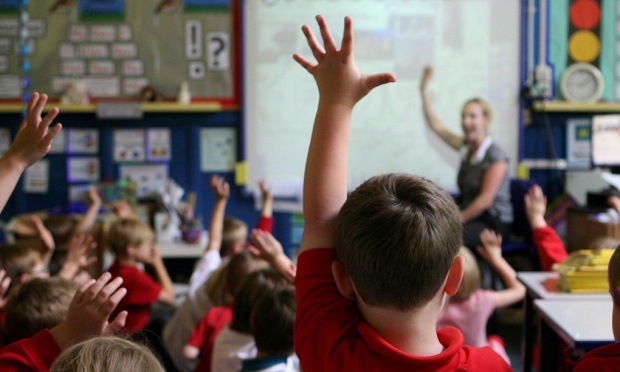
The problem is of course not new. Awareness that is key to ethnic minority communities is hampered by the failing promises by the Coalition. Funding for child and adolescent mental health services fell by £49m in the first three years of this Parliament and except a few small exceptions, due to delays, specialist care has not happened. But pressure from parents (especially in BME communities), schools, peers and social media continues to increase, worsening the odds of teenage stress leading to serious sickness.
In South Asian communities, the issues are more complex. The Warwick University conducted a study that explored attitudes to and experiences of Child and Adolescent Mental Health Services (CAMHS) among families of South Asian origin who are underrepresented as service-users in an area of a Scottish city with a high concentration of people of South Asian origin. Six community focus groups were conducted, followed by semi-structured interviews with families who had used CAMHS and with CAMHS professionals involved in those families’ cases. Lastly, parents of children who had problems usually referred to CAMHS but who had not used the service were interviewed. Qualitative analysis of transcripts and notes was undertaken using thematic and logical methods.
Participants consisted of 35 adults who identified themselves as Asian and had children; 7 parents and/or the young service users him-herself; 7 health care professionals involved in the young person's care plus 5 carers of 6 young people who had not been referred to CAMHS, despite having suitable problems.
Focus groups identified the stigma of mental illness and the fear of gossip as strong disincentives to use CAMHS. Families who had been in contact with CAMHS sought to minimise the stigma they suffered by emphasising that mental illness was not madness and could be cured. Families whose children had complex emotional and behavioural problems said that discrimination by health, education and social care professionals exacerbated their child's difficulties. Families of children with severe and enduring mental illness described tolerating culturally inappropriate services. Fear of gossip about children's ‘madness’ constituted a major barrier to service use for Asian families in this city. Given the widespread nature of the concern over the stigma of children's mental illness, it should be considered in designing culturally competent services for children's mental health.
Half of all those who suffer mental illness first show symptoms before the age of 14, and three quarters by 18. The number of young people admitted to hospitals for self harming rose by 25% last year.. The number of admitted to A&E departments with symptoms of mental illness generally rose by 85% between 2010-14.
One in 5 children suffer from depression or anxiety of some sort. They are more likely to smoke than others and require costly psychriatic treatment later in life, if not treated early. Two thirds of children who need mental healthcare receive none at all.
The Coalition promised extra funding, but the reality is due to severe cuts, local authorities don't have enough specialist clinicians to diagnose and treat young mental illness patients properly. Many of them, almost 236 last year, ended up in police cells for want of beds in psychiratic wards.
There is an urgent need for more beds in adolescent psychriatic wards, training for teachers to spot warning signs in teenage, better communication between schools and health professionals to make sure ones who need help get it quickly and more emphasis on resilience for teenage themselves.