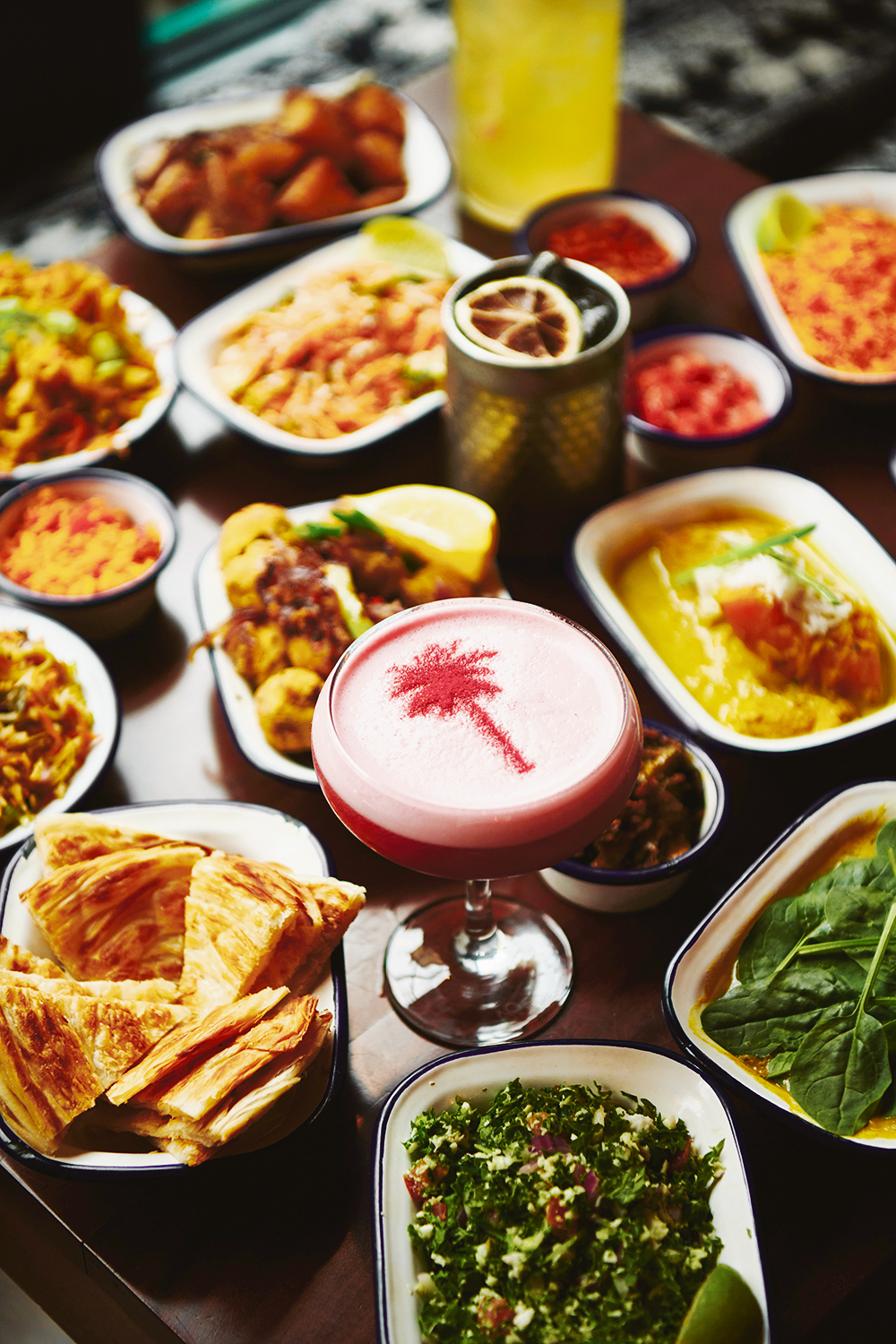
South Asian businesses have found real success in the UK, one of them is The Coconut Tree, growing to nine locations and counting, a Sri Lankan restaurant started in 2016 by a group of family and friends from Sri Lanka.
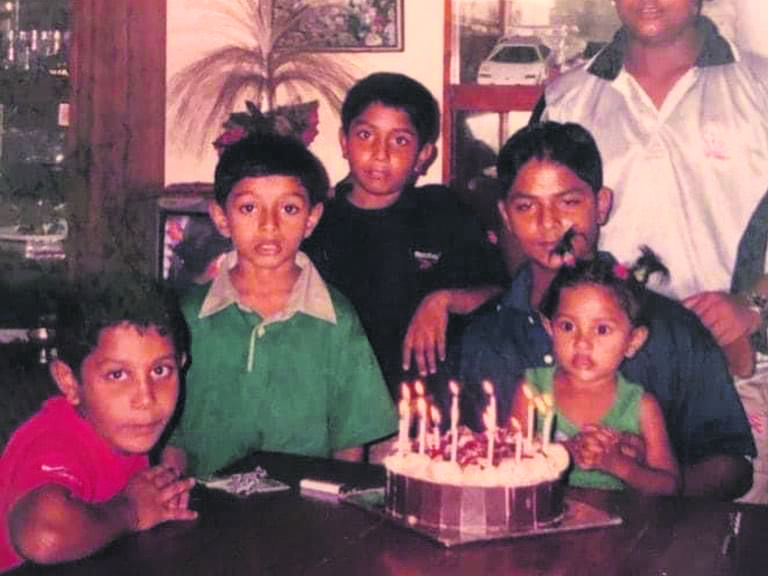
In 2016 co-founder Rashintha Rodrigo was a bartender by night and bookkeeper by day who found accommodation for a group of five above an old pub. Rodrigo and his friends/family saw an opportunity in transforming the tired, old ale house into something more. Being homegrown chefs, a bartender/bookkeepers and accountants, they turned to what they knew best and started sharing the uniquely Sri Lankan flavours of their childhood with Cheltenham.
By the end of the year, the first TCT restaurant opened its doors, sharing a slice of its founders’ coastal island life back home with their new community in the UK. TCT has since built on this success and added eight more sites across the West and South West, all while receiving awards and exciting recognition like winning Come Dine With Me: The Professionals and touring on the Roadshow.
He spoke to Asian Voice about his journey.
From a bartender to a bookkeeper and now an owner of a chain of restaurants, please tell us your success story.
My upbringing in an entrepreneurial family, coupled with my experiences in the service industry, shaped my friendly and easy-to-read approach to business. I learnt early on that entrepreneurship requires a unique attitude and approach and that’s something I carried into my work at The Coconut Tree (TCT) when we launched in 2016. Unlike a traditional 9-5 job, where a paycheck is guaranteed, being an entrepreneur means waking up each day with unwavering enthusiasm.
Working as a bartender, waiter, and bookkeeper showed me that a successful business requires a balance between passion and practicality. Getting TCT to where it is today has certainly been a labour of love. It’s taken time and effort, passion and dedication. Since those early days in 2016, we’ve come a long way, growing a significant Sri Lankan presence across our nine locations in the South and South-West.
What did it take to turn an old place into a new experience?
In short? Five friends with a dream of making it one day, six months of hard labour, a few cases of cheap whisky, help from parents back home and friends in the UK, and 20K savings. Having a big-picture mindset was helpful too; being able to look past the surface and see the potential lying beneath. We thought ‘let’s stick to our guns’ – cook what we know, share what we love. And that’s Sri Lankan. From there it came down to commitment, determination, and passion. The community in Cheltenham were also so supportive. They welcomed TCT and proved to us that we had started something special.
What does it mean to you as a South Asian to be able to promote the culture and food abroad?
As a Sri Lankan owning and promoting Sri Lankan restaurants abroad, it means the world to me. It's an opportunity to showcase the rich and diverse culture of our homeland through its vibrant cuisine. Sharing the flavours, spices, and traditions of Sri Lanka with people from different backgrounds allows us to bridge cultural gaps and foster understanding. It brings us joy to see others appreciate and embrace the unique aspects of Sri Lankan culture, and it serves as a reminder of the beautiful connections we can create through food.
How do you adapt to the cuisine according to British people?
At the end of the day, we’re all about bringing authentic Sri Lankan cuisine to UK tables. There’s always going to be an element of balance and compromise when you’re introducing something a little new and maybe even unfamiliar to people, but we’ve found we haven’t had to change things too much. Pretty much the only thing that we do differently is that we use less chilli in our dishes. Toning down the level of heat makes the food a little more palatable here, but otherwise, the dishes remain true to their roots.
How do you source authentic spices and ingredients?
While a lot of our fresh produce and ingredients are sourced locally here in the UK, it’s always been important to us to maintain strong connections with Sri Lankan suppliers too. Currently, we source the finest Sri Lankan herbs, spices, and produce from a variety of supplier partners and export to The Coconut Tree restaurants in the UK. This brings much-needed foreign income to Sri Lanka. These include established brands such as Finagle, Silva Mills and Ma’s Kitchen. We also work with small businesses that supply dried fruit and treacle, benefitting small farmers and supporting the local economy. Our parents are also really involved, often buying things like coconut milk and oil from small independents in Sri Lanka and sending them over.
What are your fond memories of eating and preparing Sri Lankan food in your childhood?
There are so many, I could really write an essay; making fish patties with my mum and eating about 25, to start. There’s this popular fried snack called prawn wadey that we would enjoy at Gall Face Green. Even something as simple as eating curry sauce with roti, because it’s the only thing you can afford when you’re 16 at a Saiver Kade (these are cheap, small restaurants). Stopping at a little corner shop on your way to Kandy so you can eat Pol Rotti (Coconut Rotti) with really spicy sambol and then wash it down with some sweet black tea. The list goes on. Food and sharing a good meal are so central.