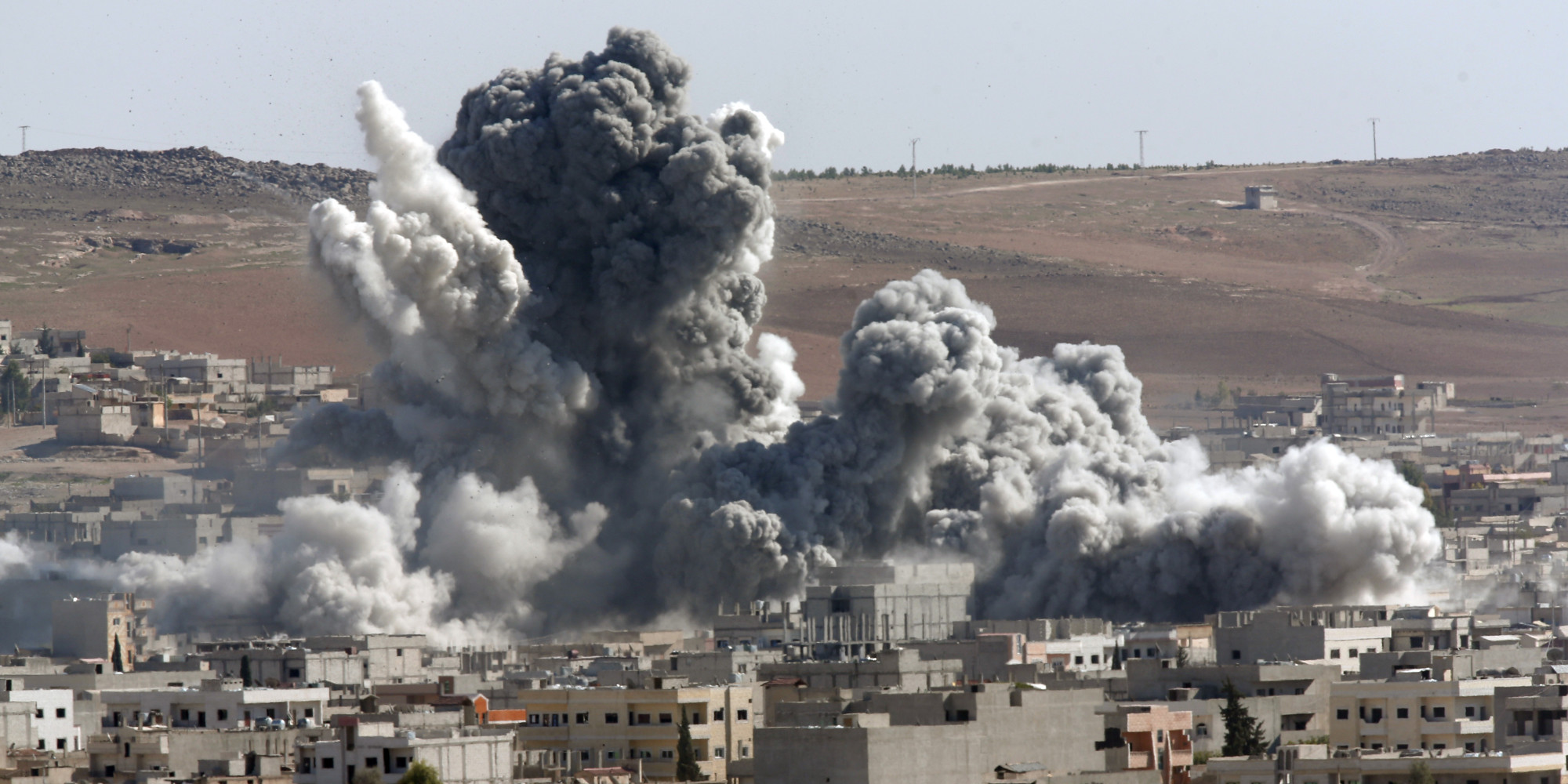
Upto 100 Labour MPs are expected to back Mr David Cameron on Wednesday, as he formally calls for a debate and vote in Parliament on whether to authorise a military airstrike against Isil jihadists in Syria. David Cameron’s Cabinet has approved plans to launch RAF missile strikes to kill Islamic State leaders hiding in Syria.
With Germany now planning to deploy its air force to the coalition against Isil, Mr Cameron cancelled business in the Commons on Wednesday, including his weekly Prime Minister’s Questions, to facilitate an 11 hours debate.
The Commons motion to give final approval to attacks on selected individuals has been drawn up. Mr Cameron believes that he has the numbers required in the Commons (two-third majority) to endorse an intervention.
It is believed that the plan is to explicitly rule out the use of ground troops, and pledge that only Isil would be targeted, and promises have been made that millions of pounds worth of aid funds will be spent thereafter to help Syria recover. The motion also notes the unanimous UN call for action against Isil. However, critics have pointed out that there is no exact indication about when this military action would end.
On the other hand Jeremy Corbyn, the leader of Her Majesty's Opposition has set out an argument, as expected, in favour of opposing the Syrian air strikes, based on a poll of just 1900 Labour party members. Party officials released a result of a survey that claimed that 75% of Labour party members oppose UK bombing in Syria. Mr Corbyn’s spokesman said: “The Prime Minister should stop the rush to war to allow for a full discussion. Matters of national security are far too important to be bulldozed through the Commons for political convenience.”
The survey was however called into question with one Labour MP calling it a "rather vague consultation".
The party divides
At least 40 Labour MPs are expected to exercise a free vote to push for air strike. It is clear that a number of Labour frontbenchers will support Mr Cameron's calls for air strikes and the Labour leader was warned of resignations if he attempted to force his party to vote with him. This of course reflects the sharp divide that the Labour party faces. Mr Corbyn, who is definitely an old school, won the top job in his party based on two of his principle characteristic traits. He is renowned as a man of value, who believes in democratic politics- that discussions and disagreements 'are to be prized and not hidden'. However when these two traits are in conflict, there is deep trouble. Mr Corbyn has a long history of opposing military action. Yet he is now the leader of the Shadow Cabinet where the deputy leader of the Labour party Tom Watson, or Shadow Foreign Secretary Hilary Benn appear to be in favour of air strikes, though Mr Watson wrote to Mr Cameron saying he “does not believe parliament has been given proper time” to discuss air strikes. He added: “As Jeremy Corbyn has made clear, parliament needs more time to make a considered decision.”
Broadly speaking, Mr Corbyn's leadership easily defies the objective of Her Majesty's real opposition. In parliamentary democracy, it's rather odd and extraordinary for the Opposition party not to have a collective view or voice. The leader of the party should have commanded his party to follow his lead. But Monday evening's shadow cabinet meeting has proven Mr Corbyn's failing abilities to lead.
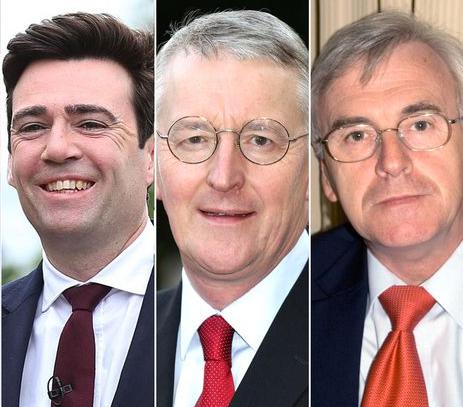
The meeting lasted for seven minutes, when his own ministers started shouting at their leader calling his behaviour disgraceful. An 'ashen-faced' Mr Corbyn faced an open revolt from his most senior Parliamentary allies. Mr Corbyn went into the meeting to allow his ministers to vote on the air-strike matter with conscience. The meeting began with an attempt by Mr Corbyn to outline his new position- only for his colleagues around the table to say “it's already on Twitter”. The Labour leader appeared unaware that the plan he was outlining had already been briefed to The Guardian, suggesting a free vote would be offered but the official party policy would be changed to oppose war. Andy Burnham, John Healey and Jonathan Ashworth led the fightback, warning Mr Corbyn “you can't throw us to the wolves.” At the end of the two- hour meeting the group abandoned Mr Corbyn's plan. But none of this pacified the wider parliamentary divide. In fact Margaret Beckett, one of the most loyal of Labour Mps told Mr Corbyn, “stop dividing us.”
By-election in Oldham
Though Jeremy Corbyn's closet ally has insisted that Thursday's by-election in the Labour stronghold of Oldham has nothing to do with the declining leadership force of Mr Jeremy Corbyn, Ukip is hopeful that they would be able to snatch the seat from Labour.
John McDonnell, the Shadow Chancellor has suggested that some Labour party Mps are dismissing the party's chances in Oldham West and Royton (the seat that was held by Michael Meacher, who died last month), because they have not come in terms with Mr Corbyn's leadership. He said the result depends on Mr Corbyn's performance or the turmoil of the previous month.
Stephen Kinnock, the Labour MP said that a bad result on Thursday would contribute to the 'drumbeats on leadership'. He further added, leaders were judged by results, with failing hold over Scotland, Wales and London are their hopes, although he was sure that he had not come across significant opposition to Mr Corbyn in Oldham.
As far as the air-strike intervention is concerned, one must realise that the matter is very finely balanced. There may be 70,000 fighters who oppose Islamic State, but it is legitimate to question whether they could really be said to constitute a fighting force, while President Assad's regime continues to lurk around as the real enemy. If Isis has to be defeated, much more than bombing will be needed. The world's powers will have to throw more weight behind the Vienna diplomatic process aimed at creating a post Assad transition. The deep disaffection of Sunni Muslims, from which Isis draws its strength must be tackled. While the shadow of the errors made in the aftermath of the invasion of Iraq hangs heavy, Syria presents an exceptionally difficult diplomatic and military problem.
Corbynists worked hard before the Shadow Cabinet meeting to impose their point of view. They perhaps implied that they could easily replace any opponent who quits. Had Mr Corbyn taken their advice, perhaps he would have at least preserved his reputation for sticking to his guns as a leader. Instead when the frontbenchers indicated that a whipped vote would force their resignations, he immediately backed down. Mr Corbyn's own backbench career has been a long act of rebellion, but as The Times rightly points out, now he is left with no authority to crush any rebellion. In fact he is left with no authority- that shows real dark days for Labour leadership in the coming days. A country without a conscientious Opposition party- also poses questions on the power of democracy. It is a time for the Britons to stop, think and act.
------------------------------
AT A GLANCE
- David Cameron calls for a motion in House of Commons over airstrikes in Syria to combat Isil.
- Jeremy Corbyn allies warn MPs this may lead to counter-attacks in Britain, killing thousands of innocents.
- Defence Secretary Michael Fallon says, the UK is already a target for Islamic State extremists and the threat has "intensified".
- Jeremy Corbyn offers Labour MPs free vote, though the Shadow cabinet meeting leads to a major fallout among Labour MPs, with growing fears of resignations and Mr Corbyn losing his authority as a leader.
- Shadow Cabinet Frontbenchers promise to support Mr Cameron's pledge.
- Upto 100 Labour MPs to support the government.
- Germany to send 1,200 troops to fight Isil
- Anti-bombing Stop The War protest in London takes place on Tuesday outside Parliament.
- Bombing Syria will cost Britain 'low tens of millions of pounds' and will be paid by Treasury's reserve.
- No use of ground troops, Britain pledges that only Isil would be targeted, and promises to help with funds thereafter to help Syria recover.
- David Cameron's claims that there are 70,000 moderate opposition fighters on the ground in Syria have been thrown into question.
- Critics said there was still no indication about when the military action would end.