Female leaders around the globe including Jacinda Ardern, Angela Merkel and Tsai Ing-wen have been praised for their compassion, zeal and communication skills. The excruciating mental, physical and emotional toll of coronavirus has called for a sense of solidarity making many question and debate if women made better leaders. Of course, there is no unilateral “yes and no” answer to the question. But female health workers at the frontlines of Covid-19 wards explain that humanity and empathy can go a long way in mitigating risks and navigating a pandemic.
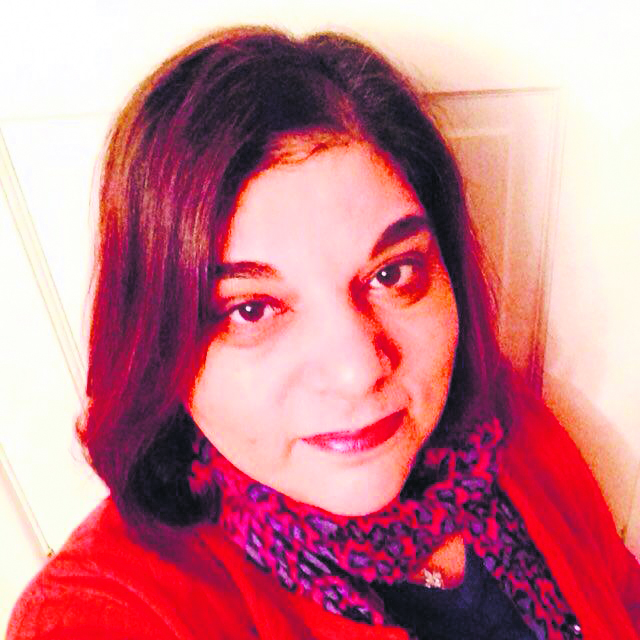
“Our interactions with some leaders in the UKwho are guiding the country through the pandemic have shown that they speak the language of greed and selfishness. Female leaders have the capacity of changing this narrative. Demonstrating humanity should be a basic necessity for all leaders. As doctors and healthcare workers, we know how compassion and empathy can help families deal with loss and suffering at such strange times. And these characteristics have been imbibed in us from the very beginning,” said Dr. Meenal Viz.
Challenging institutional racism and exploitation of work-for-visa
Back in May, Meenal was pregnant, scared for her own child and mourning as she watched her colleague’s coffin being lowered to the grave. She cried the hardest for her deceased friend Nurse Mary Agyapong’s barely one-month old child, now left without a mother.
She began wondering what would happen to her own daughter if she were to contract coronavirus while working at a Covid-19 ward. But Meenal, was determined that she would not suffer in silence. She would fight the system unlike her friend and ensure her baby was protected against all odds even if nobody was willing to hear her.From protesting in front of No. 10 Downing Street to pushing for a judicial review of the guidance around Personal and Protective Equipment (PPE), Meenal has been one of the first medics to expose the government’s failings in its handling of the pandemic. As part of her judicial review, she is also challenging the government for its lack of clarity on why higher number of medics from black, Asian and Minority Ethnic (BAME) backgrounds were compromised at the Covid-19 frontlines. Discussing how racism goes beyond telling “black and white” apart she says,
“Nurse Mary Agyeiwaa Agyapong in Luton was a Ghanaian from an ethnic minority community. She raised her concerns, she wasn’t heard. She escalated the matters to her seniors who despite knowing she was then pregnant asked her to work in Covid-19 wards. I was working with her, then pregnant myself and concerned about my baby. South Asian or black women have a higher risk of contracting the virus. It is the responsibility of NHS and PHE to carry out due risk assessments and re-deploy us if needed.
“You cannot identify racism on a black and white basis. It is subtle and evil and it requires you to read between the lines. As a female doctor from an ethnic minority, there were instances when my voice wasn’t heard and that my concerns were not taken seriously. A lot of these people come to this country because of their visas and they know that they need this job. Our seniors and managers know that we are desperate to stay in our jobs due to visas and family. That has been taken advantage of. “When you look at hundreds of other similar cases you will realisethe death of Nurse Marywas not a simple co-incidence. Now, I leave it for you to decide was this racism, or just neglect?”
Preventing micro-aggressions and hostility within ranks
Her concerns are heightened as the UK approaches a potential second Covid-19 wave. A few months ago, Scientific Advisors had warned that if proper preparations are not in place then the UK can record upto 120,000 deaths due to complications with the on-going flu season. And as the UK races ahead to curb the increasing spike in infections, NHS directors and medics worry if due diligence and proper risk assessment has been conducted especially as over 600 South Asian doctors had lost their lives to the virus during the first wave. Asha Day, is a former director of an arm’s length body at the Department of Health and currently in a clinical leadership role at Leicester. She was also in charge of the BAME staff support network, helping healthcare workers navigate any micro-aggressions or hostilities that were directed to them from higher up ranks. Speaking about how women better handle these procedures, Day said,
“A BAME staff member’s risk assessment had been transferred to me. I saw that their parents were aged over 70-years old and they were all staying together. The staff also stated that they have underlying health conditions. My white colleague had initially passed up their risk assessment with the argument that the parents were already shielding but I insisted that this person needs to be re-deployed. So, it again depends upon who is evaluating these forms based on their individual judgment.
“The Covid-19 risk assessment for BAME communities within our organization highlighted the difference in emotional intelligence between females and males especially in management or leadership roles.
“My male colleagues simply wanted to e-mail these forms to the Department. But I insisted that simply sending out a form will only heighten anxieties especially if they do not understand the intricacies of these questions. Some also needed the assurance that nothing would be decided upon until mutually agreed which would only be reached following a thorough discussion. It is not just about ticking the form.”
Regardless of continuous debates around female leadership, during coronavirus these women have demonstrated that empathy cannot be ticked off in the “weakness” column of leadership characteristics.