Despite using Norfolk and Suffolk mental health services, 65 people have reportedly taken their lives in the last two years, among which, men are far more likely to die ‘unexpectedly’.
Eastern Daily Press reported that the Norfolk and Suffolk Foundation Trust (NSFT) which oversees mental health services across the two counties revealed 320 people have died unexpectedly within six months after using their services. However, in 111 cases, the cause of death has yet to be established.
In an article titled ‘Why we need to talk about suicide in the Asian community’, freelance journalist Poorna Bell talked about the unfortunate demise of her husband who took his own life. She wrote about the "double-edged sword of stigma around suicide and mental illness exists in the British South Asian community.”
Challenges in the Asian community
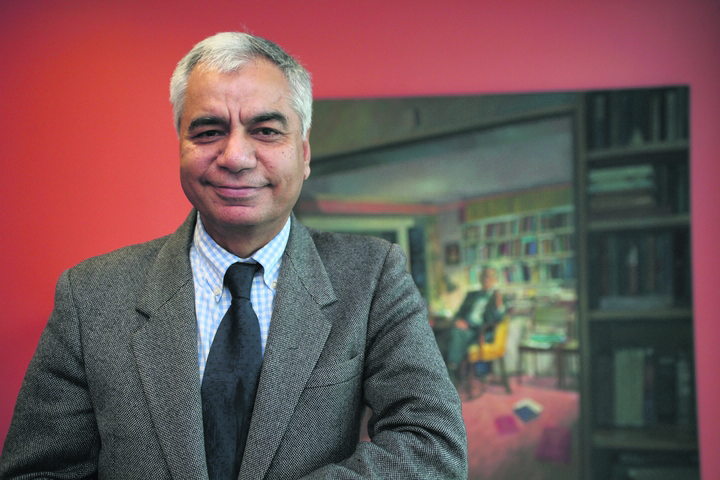
Dr Dinesh Bhugra, Emeritus Professor of Mental Health and Cultural Diversity at King’s College London told Poorna in an interview with the BBC that rate of suicide in South Asians was high (back in 2018) and that it was worth thinking about.
“There are communities within communities,” Dr Bhugra said. “So, what might be right for the Sikh community, may not be right for the Hindu or Muslim community.”
In 2008 Bhugra's study of attempted suicide in West London found the rate of attempted suicide among Asian women aged 16–19 years was 17 times that of Asian men.
In an EXCLUSIVE interview with Asian Voice last year, Dr Bhugra spoke about overcoming the taboo of mental health in the community. He said, “There are two challenges: firstly, it is about stigma as people often see talking about mental illnesses and stress as showing weakness and being ashamed of people of a certain age worry that if they talked about it, nobody would visit them, and they would be shunned.
“The second point worth remembering is that often many South Asian individuals see mental illnesses as punishment from a previous life or karma and would not see these as a medical problem. In one of our studies a while ago Punjabi women saw depression as a result of life's ups and downs and thus, they would rather go to the temple, gurudwara or the mosque than go and see their GP and do so i.e. going to the GP will also lead them to worry that people will get to know.
“All this in spite of the fact that there is no equivalent word for depression in Punjabi or Hindi or Urdu, sadness yes. Thus, the models that people have in explaining mental illnesses must be taken into account when designing or delivering services.
“We need to bear in mind that there are many illnesses and people may feel ok talking about anxiety or dementia but not schizophrenia.”
Historic data on Asian communities
A paper titled ‘Suicide and attempted suicide among South Asians in England: who is at risk?’ published in 2018 reported that South Asians do experience a high level of stress, which, in one study of people of Pakistani origin in Manchester, has been implicated in depression, and similar conclusions may be drawn from other work.
Powerlessness and deprivation influence how East London Bangladeshis respond to illness and misfortune, which often involves a belief in jinns (spirits) and recourse to folk and religious healers.
Mental Health Foundation reported in September 2021 that In England and Wales, nearly one in five of us come from a BAME (Black, Asian and minority ethnic) background. Challenges such as racism, stigma and inequalities can affect the mental health of people from BAME communities.
While suicide rates have not risen just due to the pandemic, the British Medical Journal urged people to remain ‘cautious’.
Latest overall numbers
According to ONS in 2020, there were 5,224 suicides registered in England and Wales, equivalent to an age-standardised mortality rate of 10.0 deaths per 100,000 people and statistically significantly lower than the 2019 rate of 11.0 deaths per 100,000.
As the Asian community reels under the stigma of mental health issues, emotional losses and bereavement, we’d like to remind our readers that there are various organisations in the UK that are tirelessly working to help people with mental health and well-being.
While it is a promising development to see this decline, we’re also aware that many community members have not got the closure of seeing someone they loved for one last time because they were either Covid patients or living abroad during the lockdown.
Recently, a London based Indian doctor, a neurologist who worked at the Milton Keynes University Hospital in London committed suicide in India because she lost her mother to Covid and couldn't cope with the grief. She reportedly left behind a suicide note that was recovered by the police later.
Children need help to heal after trauma of lockdown
A spokesperson from Prevention of Young Suicide (PAPYRUS) told us, “During the pandemic, the number of contacts (calls, texts and emails) we received increased by 25 per cent and particularly during the lockdowns – isolation and loneliness increased as themes/reasons why young people were feeling anxious, desperate and suicidal.”
PAPYRUS said that around nine in 10 calls, texts and emails to its HOPELINEUK service since lockdown referenced coronavirus, with children and young adults concerned about their own mental health or about the livelihood of loved ones.
Many are concerned about a loss of income, domestic violence and abuse, and the potential to become infected with Covid-19. The charity also said that children and young people need help to heal after the trauma of lockdown.
Of all crimes recorded by the police in the year ending March 2021, 18% were domestic abuse-related. This was an increase of three percentage points compared with 15% the previous year
30% rise in emails and texts
Samaritans, a registered charity aimed at providing emotional support to those at risk of suicide has seen approximately 30 per cent rise in emails and texts from those seeking emotional and mental help during the pandemic.
A Samaritans spokesperson told Asian Voice, “The most recent ONS data indicates that suicide rates have not increased during the coronavirus pandemic but, while this is encouraging, we know that the experiences of the last couple of years are likely to have long term effects on mental health and wellbeing. Around a fifth of calls for help to Samaritans mention coronavirus, along with issues around loneliness
and isolation, mental health and family.”
Mind Out, a mental health service run by and for lesbians, gay, bisexual, trans, and queer (LGBTQ) people told the newsweekly, “Our services are also available to those who may not identify under the LGBTQ umbrella including straight people who have sexual and/or romantic relationships with LGBTQ people, men who have sex with men, women who have sex with women, people who previously identified as LGBTQ and those who are questioning their sexual and/or gender identities.”
Victoria Hornby OBE, Chief Executive of charity Mental Health Innovations, which powers Shout 85258 (UK’s first and only free, 24/7, confidential text message support service) said, “From the analysis of a set of anonymised conversations relating to suicide, we found that both a sense of hopelessness and the absence of social connectedness intensified feelings of distress. Both of these factors are recognised as critical factors in the potential development of suicidal ideation.
For 43% of people, texting Shout is the first time they told someone how they are feeling and asked for help. Shout’s daily conversation numbers have increased by 180% since the start of the Covid-19 pandemic and are continuing to rise.
Need for reforms and investment in health
Speaking to the newsweekly, Brian Dow, Chief Executive, Mental Health UK and co-chair of the National Suicide Prevention Alliance said, “To help prevent more people dying by suicide, we also need to continue to break down the stigma. By looking out for our family, our neighbours and the community around us, we can help reduce feelings of isolation and remind people that they have somewhere to turn to for support if they’re going through a tough time in their lives.”