The British government’s faulty roadmap to combat the first wave of Coronavirus in the UK, whose efficacy was only realised when Britain was grappling with the second wave, not only led to the loss of innocent lives that could have been saved but also impacted people who are now suffering from Long Covid and living a half-awake life.
If there was a concrete plan to mitigate the spread in the first place back in 2020, the UK wouldn’t have been reporting cases of the Delta (formerly known as the Indian variant), South African and other variants by the minute as many continue to be infected (especially the ethnic minority community in the north-west).
Boris Johnson’s former chief advisor Dominic Cummings sits scrutinising in a day-long virtual revelation about the Prime Minister’s shortcomings and wrongdoings that led to a terrible wave of infection, re-reminding people of the losses and sacrifices they have made, mainly due to the serious lack of integrity in an in-fighting group of so-called leaders.
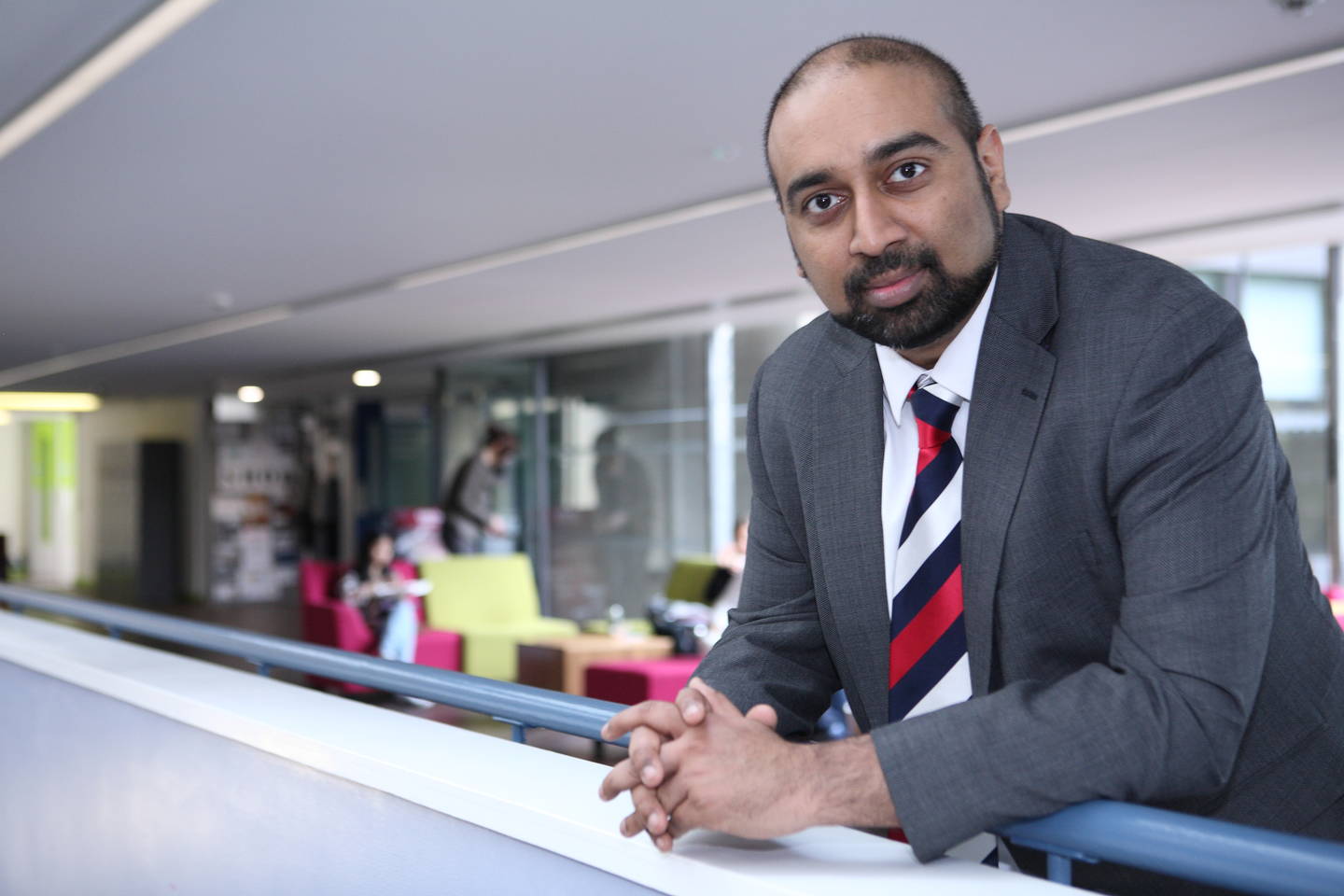
Professor Ravi Gupta, a member of the New and Emerging Respiratory Virus Threats Advisory Group (Nervtag) group reportedly said, “Of course the numbers of cases are relatively low at the moment – all waves start with low numbers of cases that grumble in the background and then become explosive, so the key here is that what we are seeing here is the signs of an early wave.”
The Guardian has reported, “Uncertainty surrounds England’s 21 June lockdown lifting date with Delta variant now making up 75% of cases.” It is worth pondering whether the government has learnt a lesson from the delay and ignorance that took place in mitigation last year, which has not only impacted human health but has had horrid repercussions for businesses, safety and wellbeing and overall mental health of Britons, not to forget the frontline workers - who were immensely overwhelmed with this orchestrated chaos in managing the pandemic.
Survivors share their struggle
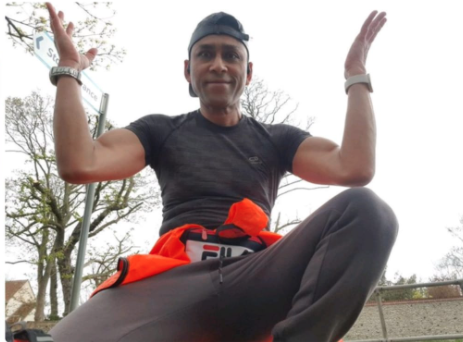
Dr Deb Ghosh (54), Consultant Gastroenterologist at the NHS, ran a 10km charity run on 11 April for Sinclair Hospice and British Liver Trust. He also shaved his head because his patients said they’ll give more money.
11 April was no regular day for Dr Ghosh. Last year, the same day he came back home after winning a difficult battle against Covid Pneumonia. He was born with one lung, which perhaps was the main reason why he was extremely vulnerable to the virus.
Laying in the hospital bed, he learned about the death of a few of his colleagues and friends abroad. “For the first time it flashed to my mind that this might be it,” he said as he tried to inform his wife about his bank details and passwords while he was having a mental haze. She was also unwell. “This my life, now, is my life’s version two,” he said. Next year, Dr Ghosh celebrates his 30th year of being a doctor. He credited the ancient culture of India and its marriage with modern state of art medicine which focuses on healing people via nutrition through food and pranayam (yoga). He emphasised that while firefighting ill-health, we’ve not had the time to promote good health and these practices can have long term repercussions which can also affect an entire family altogether. Obesity, back pain, cancer, chronic illness, lifestyle choices, everything counts, including financial health.
He believes that no number of infirmities can stop anyone from overcoming any kind of physical or mental battle. If he can do it, so can you.
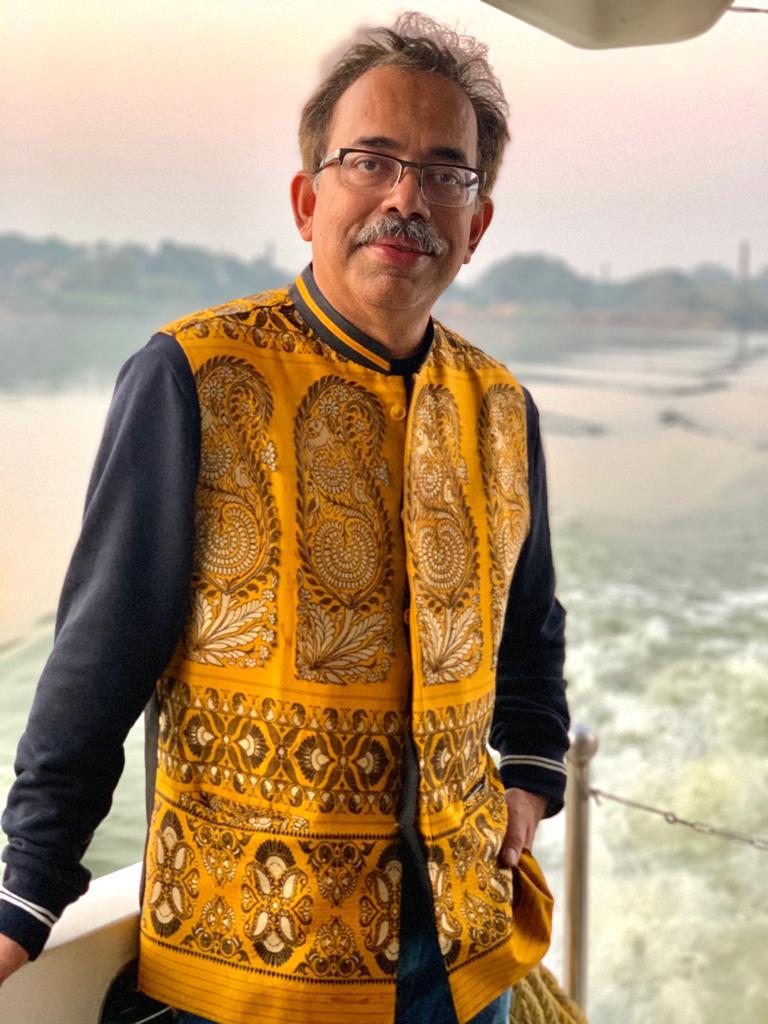
Covid-survivor Anirban Mukhopadhyay said, “Covid disturbs one’s body, strength and mind-affecting the personal finances. The lockdown and the economic gloom affect one's ability to find work adding to the already present mental stress. Bereavement in the family adds further to the despondency. Having gone through all these, the most effective way to bounce back is to consciously try to live stress-free. Do not think of the future- just live for today.
“Peculiar things will happen to you post-Covid. For me, short term memory is a problem. I often don’t remember where I have kept my car keys, mobile or glasses. It is important you find your own solutions to the problems and accept that life will be a bit more interesting than earlier.”
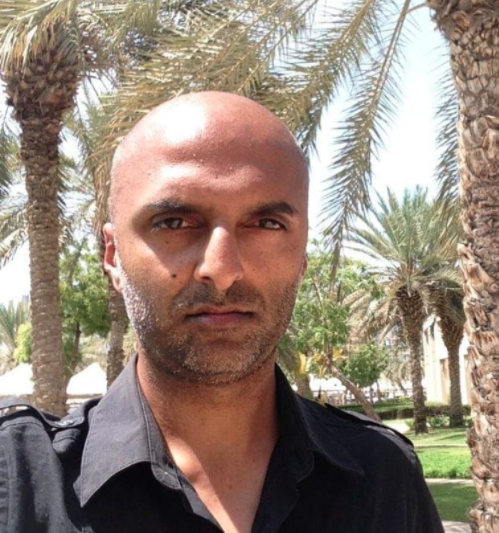
Over the last 15 months, Photographer Sohail Anjum has been dealing with post-Covid symptoms of breathlessness, erratic heart rate, fatigue and muscular aches and pains. “Thankfully I have had the help of the NHS to help me overcome some of these ailments. I am now taking beta-blockers to help with the erratic heart rate, which has somewhat helped reduce the breathlessness,” he told the newsweekly.
“If proper lockdown measures had been put in place properly last year along with an effective test and trace system, we would have been in a different situation than the one we are in now and tens of thousands of deaths could have been prevented.
“The UK is now in the early stages of a third wave due to the variant from the Indian subcontinent, because of the late lockdown of flights, which again is due to government negligence,” he added.
Is the NHS truly overwhelmed? Doctors speak up
Dr Preeti Shukla, GP chair BIDA UK told Asian Voice, “We are overwhelmed and overstretched like every surgery in England. In my career I have never seen such high demand, we are on our knees. There is a lack of resources and a workforce to address the backlog of work. A lot of patients are awaiting hospital appointments and operations which have created huge pressure on primary care as we are left holding these patients with no support. With social distancing still in place and the fact that new variant cases are rising it’s not possible to operate practices like 2019 due to lack of space. We are trying our utmost to give the best possible care to our patients but the system really needs to help us deliver that. Instead of bureaucracy and chasing targets, it should let us get on with clinical work and help look after our patients.”
Dr Ramesh Mehta, Founder and President of BAPIO said, “NHS doctors have been working flat out since the beginning of the pandemic. Their welfare is crucial to avoid a terrible shortage soon due to ill health. Ensuring the availability of proper rest and effective PPEs is crucial. Financial rewards will help. There is no doubt that many lives could have been saved with proper planning at the beginning of the first and second wave. BAPIO had constantly prompted the Government throughout the pandemic, but it has been slow to act.
“The NHS has wisely started clinics for the sufferers of Long Covid. Healthy lifestyle and control of comorbid conditions like Diabetes and Asthma are crucial.”
Speaking to Asian Voice, Dr Krishna Kasaraneni, BMA GP committee executive team member, said: “Speak to any GP and they will tell you the same thing – that they and their colleagues are busier and working harder than ever before. In March, practices dealt with almost 5 million more appointments than the previous month and almost 3 million more than they did in March two years ago, long before the onset of the pandemic.
“On top of continuing to lead the vaccination campaign, which will be so vital in eventually allowing a cautious return to some sort of normality, practices are being hit with a surge in demand from patients with wider healthcare needs. Much like the backlog in hospitals, there is the ‘hidden’ backlog of patients now needing to be seen and have their conditions managed in practices.
“This surge in workload for practices can have a devastating impact on morale and wellbeing – and ultimately lead to staff asking how much more they can take.
“Policymakers and the government have a duty to protect and care for those who are caring for themselves. This means an end to attacks on practices and staff who are doing their best to meet their patients’ needs and being realistic with the public about what they can expect from different parts of the health service.
“GPs and other practise staff are doing utmost to see their patients and provide them with the care they need – whether this is over the phone, via video or the large proportion seen face to face. They should be commended for their efforts, not condemned.
“With Covid cases rising, and people beginning to mix more, it’s crucial that practices can protect patients – many of whom will be ill with other conditions - and staff alike, by following infection control processes, while ensuring those who need to be seen face-to-face can continue to do so. This will require investment in practice buildings themselves to improve waiting areas while giving practices the flexibility to decide how best to manage appointments based on the specific needs of their local community.”
Asian Voice wrote to Dr Nikita Kanani MBE, Medical Director of Primary Care for NHS England and NHS Improvement for a comment. In response to the request, an NHS spokesperson said: “GPs have worked hard to offer appointments to those who needed them throughout the pandemic with more than 28 million delivered in March this year, in line with pre-pandemic levels, at the same time as rolling out the biggest and fastest vaccination programme in NHS history – providing vital protection to millions of people.
“NHS staff have gone to great lengths to ensure cancer treatment and checks could also continue safely, with almost 300,000 people starting treatment and more than 2.2 million referred for cancer checks throughout the last year and the NHS is now going further and faster to ensure patients receive timely, expert care with more people receiving potentially life-saving cancer checks in March than ever before.
“We also launched a number of schemes to help support and sustain the profession: New to Partnership Payment Scheme, General Practice Fellowship programme and guidance, Supporting Mentors Scheme. The supporting general practice letter of 9 November 2020 referenced support for flexible pools to aid the process of recruiting and deploying GPs.”
Other party members break the silence
Reacting to the PM's former aide’s revelations and ongoing crisis as we head towards a third wave, Labour MP Virendra Sharma told Asian Voice, “The Government has failed doctors, nurses and all healthcare professionals from the start of the Covid-19 crisis. At every turn, healthcare workers have gone above and beyond to save lives and protect the NHS but have been denied basic PPE and a proper pay rise. Those are the two things people in care homes, GP surgeries and hospitals need, fair pay and to be safe at work.
“Reportedly Boris Johnson missed multiple national security meetings about Covid-19 to carry on writing his book about Shakespeare – that tells you everything you need to know. The PM is more bothered about getting paid for his book than planning anything. The Prime Minister is responsible for the terrible death toll this country has faced and every death was a tragedy, many of which could have been avoided. He waited weeks and months before closing down international travel, he delayed lockdowns to carry on playing the popular fool and it has made everything worse.”
LibDem’s Rabina Khan MP thinks that it was impossible to predict how this situation would play out.
She went on to say, “Cummings’ revelations are also just one man’s story, which some might regard as sour grapes. It also seems rather hypocritical when Cummings himself flouted the rules. The Government was facing the challenge of balancing the health of the nation with the economy – and it would have been the same dilemma, regardless of which party was in power.
“During the first lockdown, the Government issued stay-at-home guidelines and rules for social distancing, but unfortunately not everyone adhered to these. It was the responsibility of the general public to help prevent the spread of the virus, but not everyone listened. There were the anti-lockdown protesters in the same way that there are now the anti-vaxxer brigade. The Government cannot be held entirely responsible for the subsequent waves of the pandemic, as any rules they try to enforce will be ignored by some. People spread the virus, not the Government.
Between April 2020 and April 2021, Coronavirus cost the UK around £355bn, with £100bn of that was spent on the job support. In addition, furloughed workers paid less income tax and businesses paid less tax if their profits were lower. All of this meant more borrowing, yet if there had been no lockdown the country would be in chaos. The NHS would not be able to cope, and businesses would still suffer due to the loss of some of their workforces from Covid.
“It’s difficult to plan for a situation you’ve never encountered before, but now that we have experienced this once, it may enable us to better prepare for similar scenarios in the future.
“One of the problems is that the disproportionate impact of Covid-19 can partly be explained by the fact that there is a prevalence of some ethnic minority groups working on the frontline and who also live in multi-generational households, regardless of their status within the NHS.
“In addition, around 40% of the UK’s ethnic minority population live in London, the busiest and most populated city in the UK, meaning that the risk of transmitting the virus is far greater than in other areas of the UK.
“The Government, therefore, needs to offer assurance to BAME medical staff that they can report their concerns without fear of repercussions, and that any bullying or harassment from co-workers or hierarchy will not be tolerated and will be dealt with appropriately without risking the job of the employee making the report,” Rabina added.