The Windrush generation or the immigrants that came to the UK after, integrated with the British and crafted a harmonious way of living with each other. Together, they created a multicultural fabric of Britain. Since then, each ethnic minority community has grown tremendously in various sectors and walks of life in the UK and achieved so much. As a result of which, the differences are apparent. A recent incident in a shop in Peckham poses a different challenge for race and diversity.
In South London, a customer demanded a refund for unwanted goods but was offered a credit note by the shop owner instead. What initially seemed like a heated argument took a different turn when the customer, who was of Black origin, grabbed other items from the shop, leading to a confrontation. This incident quickly went viral, sparking a range of reactions and highlighting the complexities of race, economics, and community dynamics.
A video showed a Black customer having a dispute with an Asian shopkeeper named Sohail Sindho. It looked like the shopkeeper was using force against the customer. After this video came out, there were angry protests and threats outside Sindho's hair and beauty shop. Sohail Sindho, who is 45 years old, said he was trying to protect his shop because he believed the customer was trying to steal something. He also claimed that the customer attacked him and that the video didn't show the whole story.
Protest groups called for people to boycott cosmetics businesses owned by non-Black individuals. They argued that Asian people have too much control over this industry and that customers are treated poorly.
The video at the Peckham shop led to a movement that encouraged people to avoid non-Black-owned businesses in the area. They suggested buying products from Black-owned businesses online or in the local area. After a protest that blocked traffic, Peckham Hair and Cosmetics had posters put up on its closed shutters, demanding the shop to leave. Some of these posters were very critical of the owner personally. Peckham has many independent shops, with several owned by Asians. Some of these businesses were also affected by the protests.
Some people even left messages at Sindho's shop telling him to leave the community. Far-right groups also used this incident to promote their agenda.
However, a social integration expert named Rakib Ehsan urged people not to focus solely on the issue of race. He explained that various factors, like competition in diverse neighbourhoods and a lack of local policing, can lead to tensions like this.
“The MPS is committed to the safety and security of all its communities. We regularly engage with our local community groups and forums to discuss local community concerns or tensions and adjust our policing approach appropriately,” MetPolice told Asian Voice.
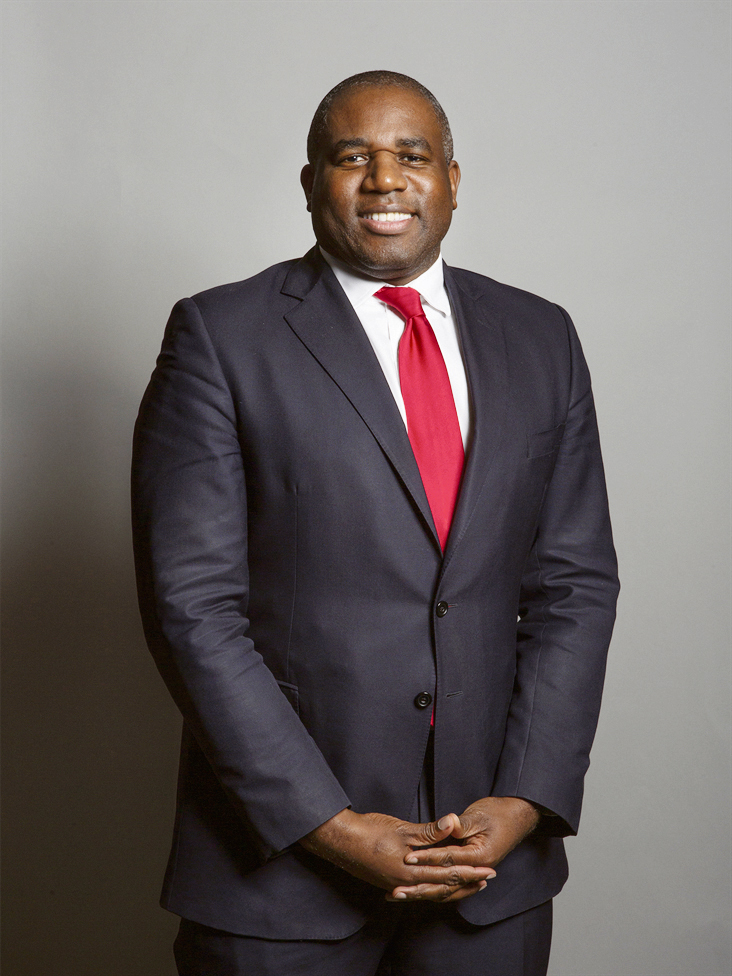
David Lammy, Shadow Secretary of State for Foreign, Commonwealth and Development Affairs recently outlined the party’s goal to reduce hidden fees on remittances sent overseas by UK's immigrant community to support their families, to fight against poverty. Paying tribute to thousands of immigrants, building the fabric of Britain’s multicultural society, Mr Lammy further added, “David Cameron (former Prime Minister) had asked me to lead a review on the criminal justice. It was a really important cross-party event. We looked at the figures sent of young offenders coming from Black, Asian and minority ethnic backgrounds. That was cross party. I'm very sad that we've lost that in the last few years. But I think that we can rebuild those bridges. Again, whatever your background, so I thank you for reminding our party through good times bad times, about the importance of communities represented in this room and beyond. It's so important to understand enterprise and hard work at the heart of the immigrant story…”
Issues are not solely about race
Many local residents, particularly from the Black community, were outraged not only by the physical altercation but also by the fact that Asian shop owners operated in a predominantly African-Caribbean neighbourhood. Handmade signs with messages like "Racist Asians go to hell Patel" and "Parasitic merchants out of our community" began appearing outside the shop. Simultaneously, some individuals from the Asian community expressed their own biases, perpetuating stereotypes about Black people.
This incident illustrates how disparities in class and economic power can be intertwined with issues of race and ethnicity. Throughout history, similar dynamics have occurred in different minority groups. For instance, Jewish communities, often excluded from various professions, became targets for resentment from other groups who perceived them as wealthy and powerful, contributing to tensions.
Observer columnist Kenan Malik wrote in his column that the 1992 Los Angeles riots in the United States revealed tensions between Korean business owners, who played a "middleman" role in the city, and other communities, highlighting economic disparities. In Britain, Asians have sometimes taken on this middleman role, with roots dating back to the colonial era when Indians were used as labour and a buffer class between British rulers and local populations in Africa. This history has led to complex dynamics and resentment in communities, particularly where Asians set up businesses in predominantly Black areas.
These issues are not solely about race. They also result from a lack of resources, policies that exacerbate inequalities, and exploitative actions by employers, landlords, and shopkeepers of various backgrounds.
Viewing exploitation through the lens of race or identity fragments possibilities for solidarity and makes addressing these challenges even more challenging.
The incident in Peckham serves as a reminder that it's crucial to address economic disparities, foster understanding between communities, and promote cooperation rather than division. By recognising the shared struggles faced by different communities, we can work towards a more inclusive and equitable society.
Government data showed that a small percentage of small and medium businesses in the UK were led by people from ethnic minorities, and Black-led businesses made up an even smaller percentage. A report by the Institute for Fiscal Studies found that before the pandemic, very few Black African households were among the wealthiest in Britain, with many falling into the least wealthy category. Peckham has more Black residents than Asians, according to the Office for National Statistics. Sindho, the shop owner, came to the UK from Pakistani Kashmir in 2004 and opened his shop eight years ago.
Six in ten working families in London claiming universal credit ran out of food in the past month
Amid this unprecedented clash between the two ethnic minority communities, it is important to reflect on why they have erupted suddenly after years of peaceful coexistence and equally successful achievers hailing from both Black and brown communities in the UK. Does this pose a new challenge for the UK amid a thousand other race-related issues, topping them all?
The unfortunate economic divide between communities is evident in the latest by a trust that says, nearly six in ten working families in London claiming universal credit ran out of food in the past month. The Trussell Trust, a charity in the UK, has conducted research highlighting the dire consequences of the inadequacy of Universal Credit. Nearly 60% of working families in London who receive Universal Credit ran out of food in the past month. This situation affects not only unemployed families but also those with jobs and disabled members.
The research, based on a YouGov survey of 158 Universal Credit recipients in London, found that 58% of working families couldn't afford enough food in the past month. Additionally, 31% of working families had to skip essential journeys due to the high cost of transportation. Worryingly, 33% of disabled households in London couldn't afford necessary dental treatment, and 16% had to forgo prescriptions and medications due to financial constraints.
Nationally, across the entire UK, the study revealed that nearly 700,000 people on Universal Credit had to rely on food banks last month, marking an increase from the previous year. More people have fallen into debt recently, and a significant proportion struggled to keep their homes warm during the winter.
These findings highlight the urgent need for reform in the Universal Credit system to ensure that vulnerable families can afford the essentials and maintain their well-being.
Low-income households in Bangladesh and Pakistani families
In April 2023, UK government data revealed disparities in persistent low income-among different ethnic groups. For Black/African/Caribbean/Black British households, 36% experienced low income before housing costs, dropping to 27% after. Asian/Asian British households saw 15% before and 19% after housing costs. Pakistani or Bangladeshi ethnic groups had the highest poverty rates, with 39% before housing costs (23% higher than White ethnic groups) and 53% after (33% higher). Black ethnic group households had 26% in poverty before housing costs and 40% after. These statistics shed light on income inequalities among ethnic communities in the UK.
In the period 2019/20-2021/22, 46% of children in Bangladeshi or Pakistani ethnic households were in poverty (62% after housing costs). For Black ethnic households, it was 35% before housing costs (53% after). The Runnymede Trust report attributes these disparities to lower wages, higher unemployment, part-time work, housing costs, household size, and reduced benefits due to the 'benefit cap.'
Ethnic diversity among Non-EU-born residents revealed in new data
The Office of National Statistics (ONS) conducted a study titled 'Analysis of social characteristics of international migrants living in England and Wales: Census 2021,' emphasising the remarkable diversity among non-EU-born residents in a specific region. The research reveals a rich tapestry of ethnic backgrounds, underscoring the contributions of generations of immigrants to the UK's cultural fabric. Key findings include a significant presence of individuals from diverse ethnic backgrounds, such as "Asian, Asian British, or Asian Welsh: Indian" (16.2%) and "Black, Black British, Black Welsh, Caribbean, or African" (13.7%) among non-EU-born residents. These numbers surpass their representation in the general population, highlighting the multicultural richness of the resident community.
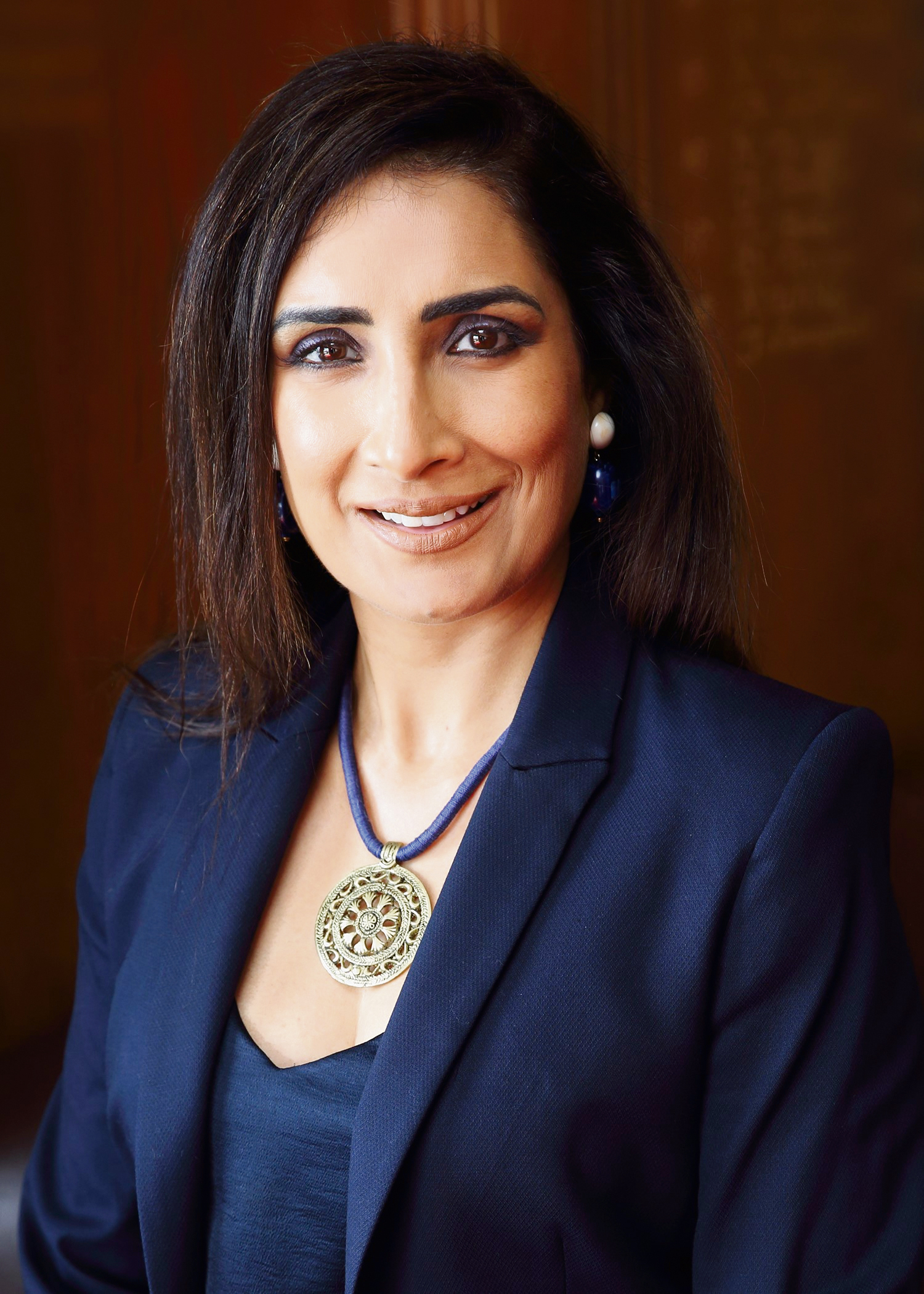
Dr Zubaida Haque, former Executive Director of The Equality Trust told the newsweekly during our annual Be The Change campaign on diversity and inclusion, that, “The reasons we have diversity and inclusion is that we have a moral responsibility as a society and as institutions to ensure that people from all walks of life feel included in workplaces, in schools, in society, and that they belong. Belonging is an important part of diversity and inclusion.”
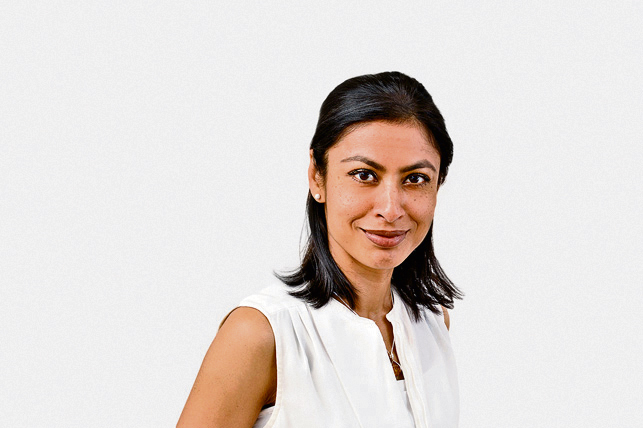
Anita Goyal MBE, Chair and trustee of The Hemraj Goyal Foundation and the Hallmark Foundation told us, “Diversity and Inclusion for me are terms that complement each other and are mutually inclusive. More simply, Diversity is the mix of people incorporating all of the elements that make individuals unique from one another. Inclusion is the culture in which a mix of people can come to work, or socialise so that they feel comfortable, welcomed and confident to be themselves, ensuring that everyone feels valued and more importantly adds value to their communities.”
Have ethnic diversity and equality failed in the UK? It’s time to reflect. It’s time to let them belong.