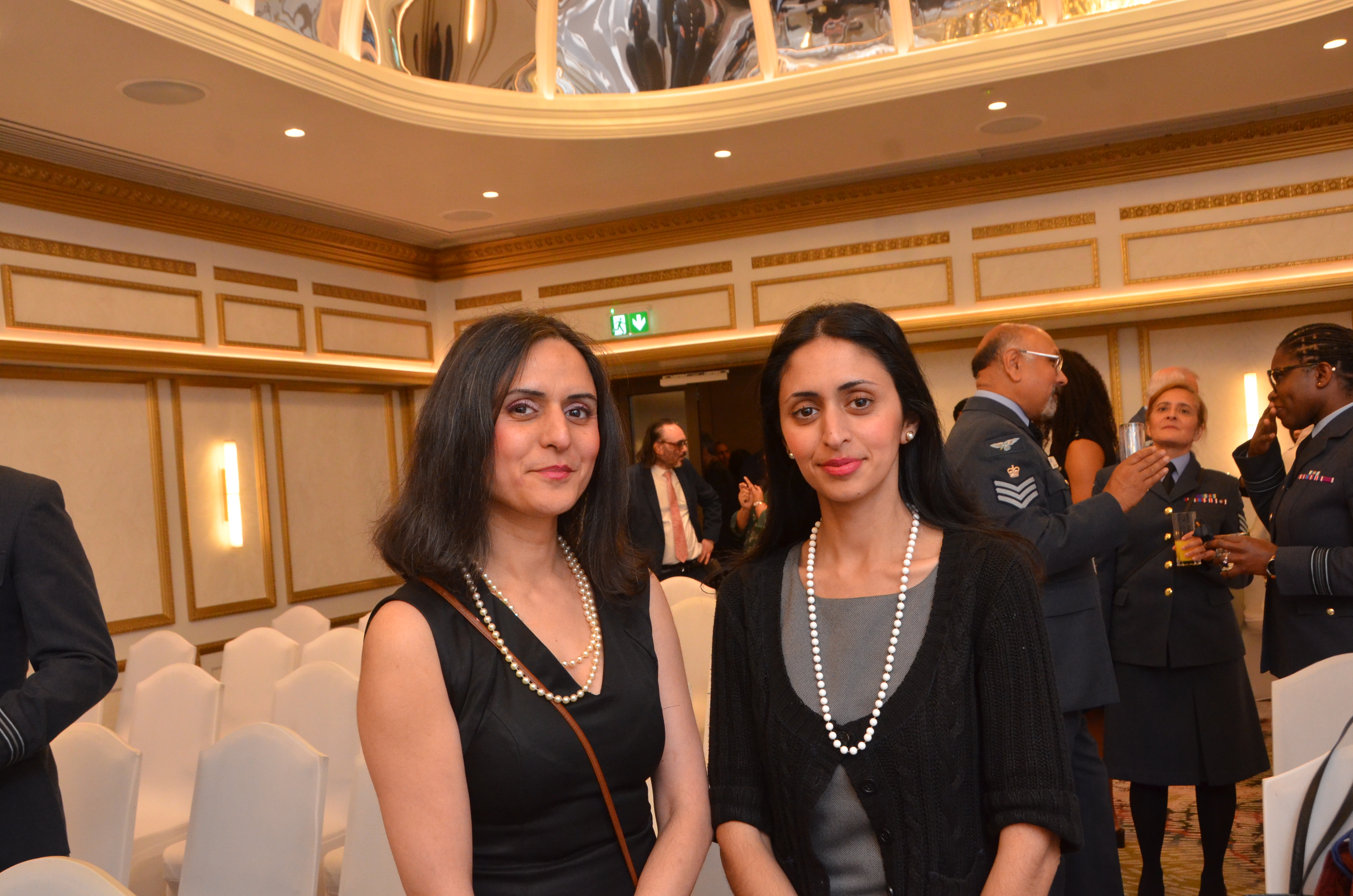
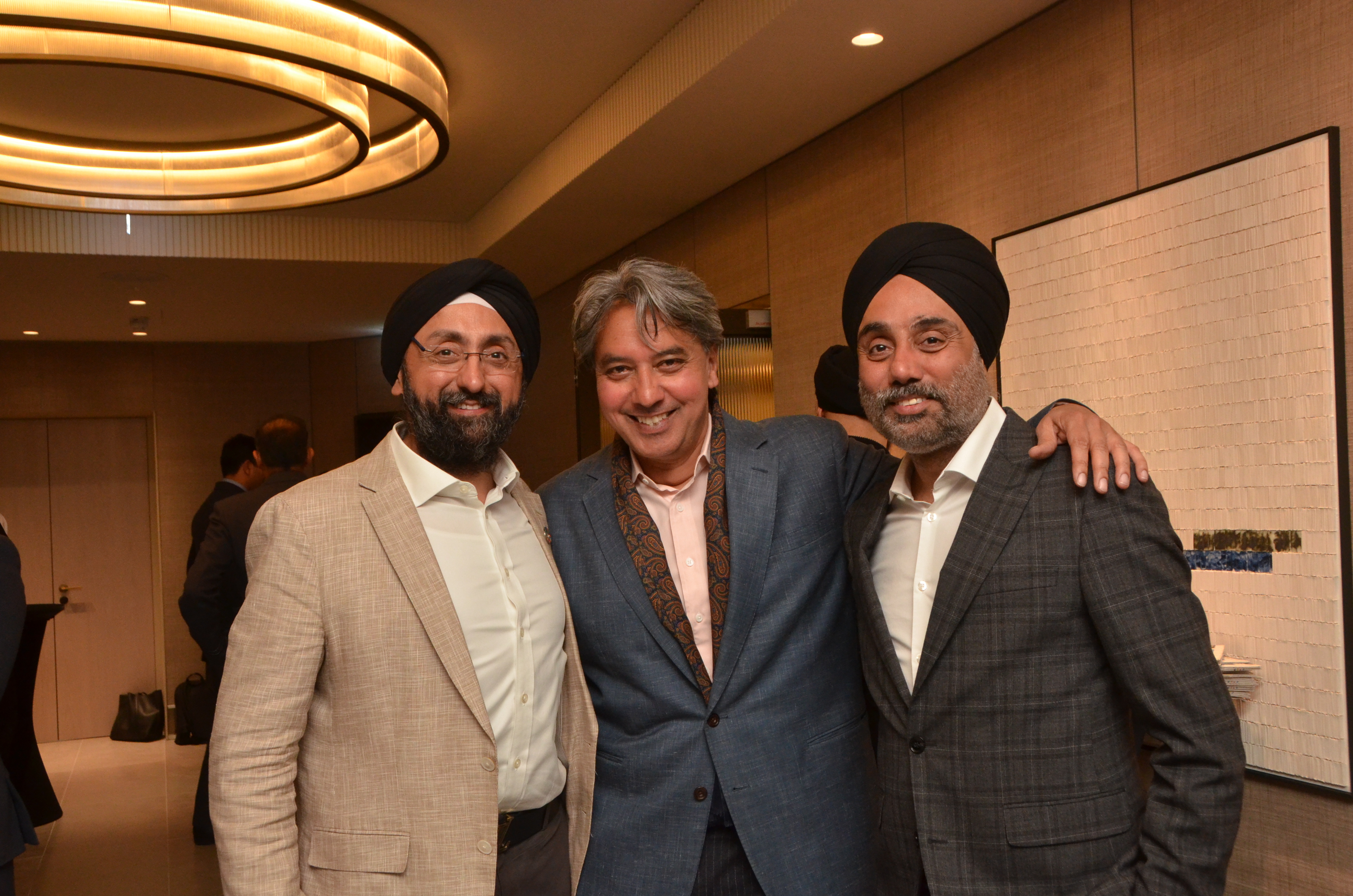
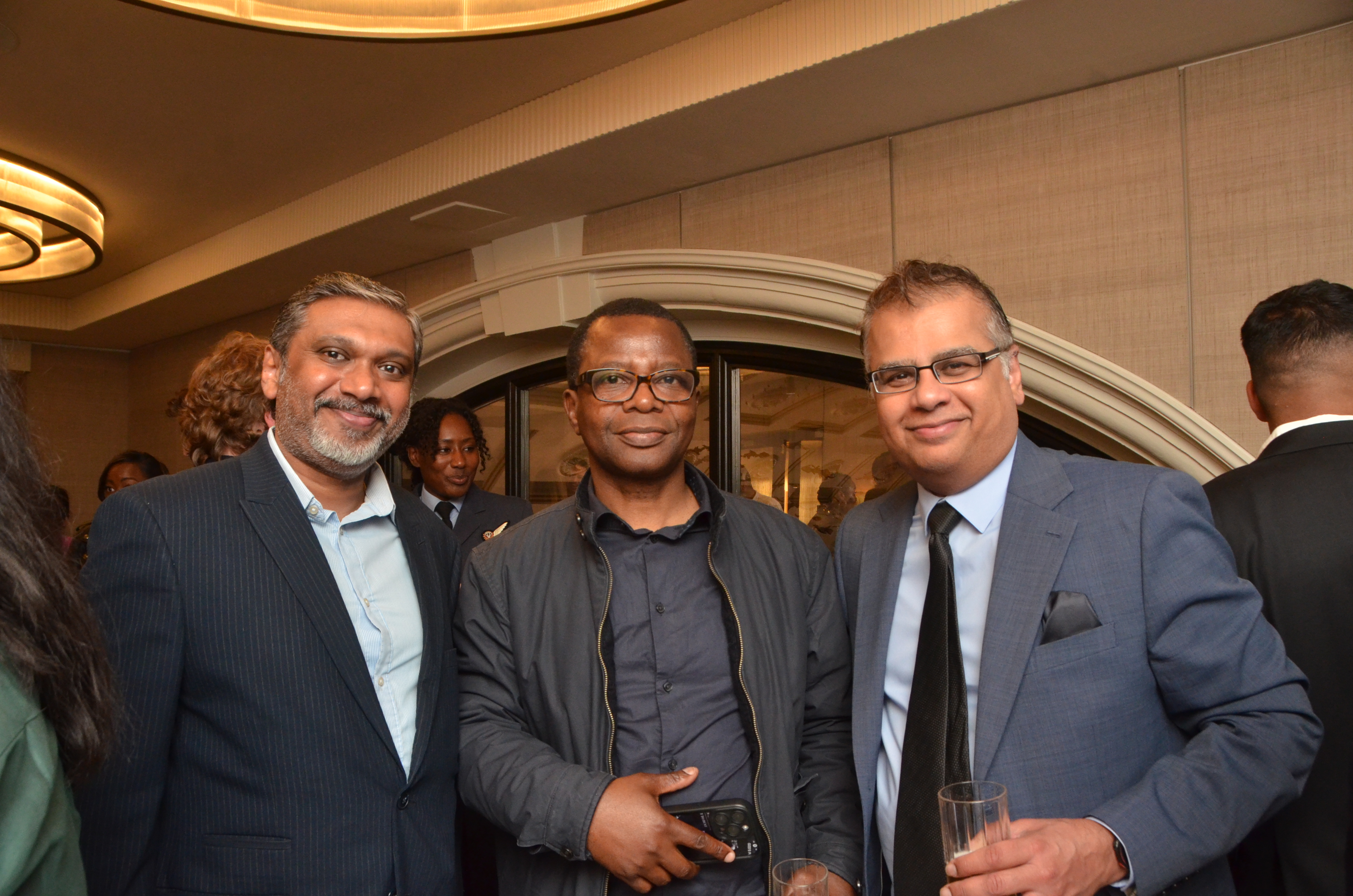
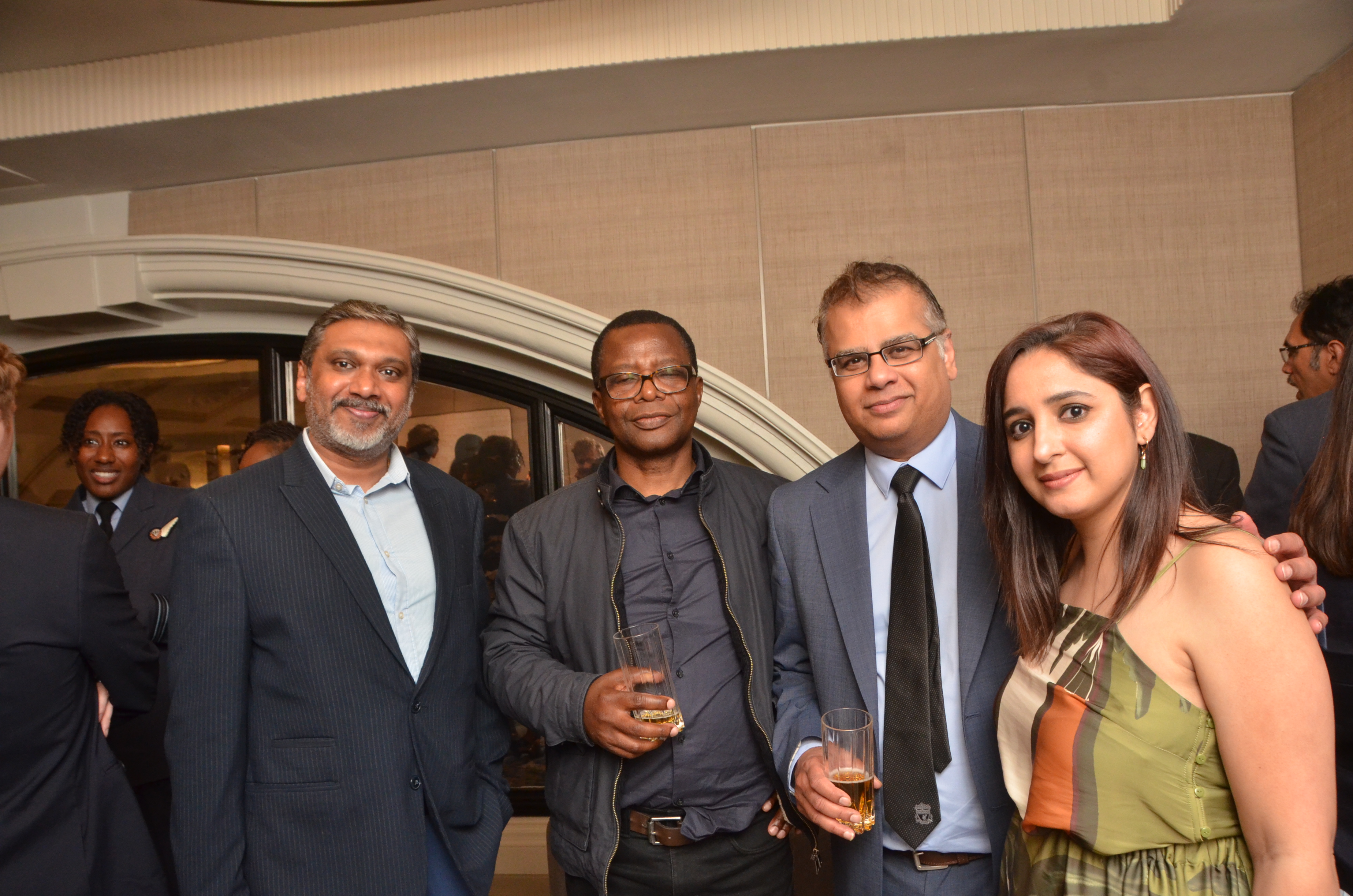
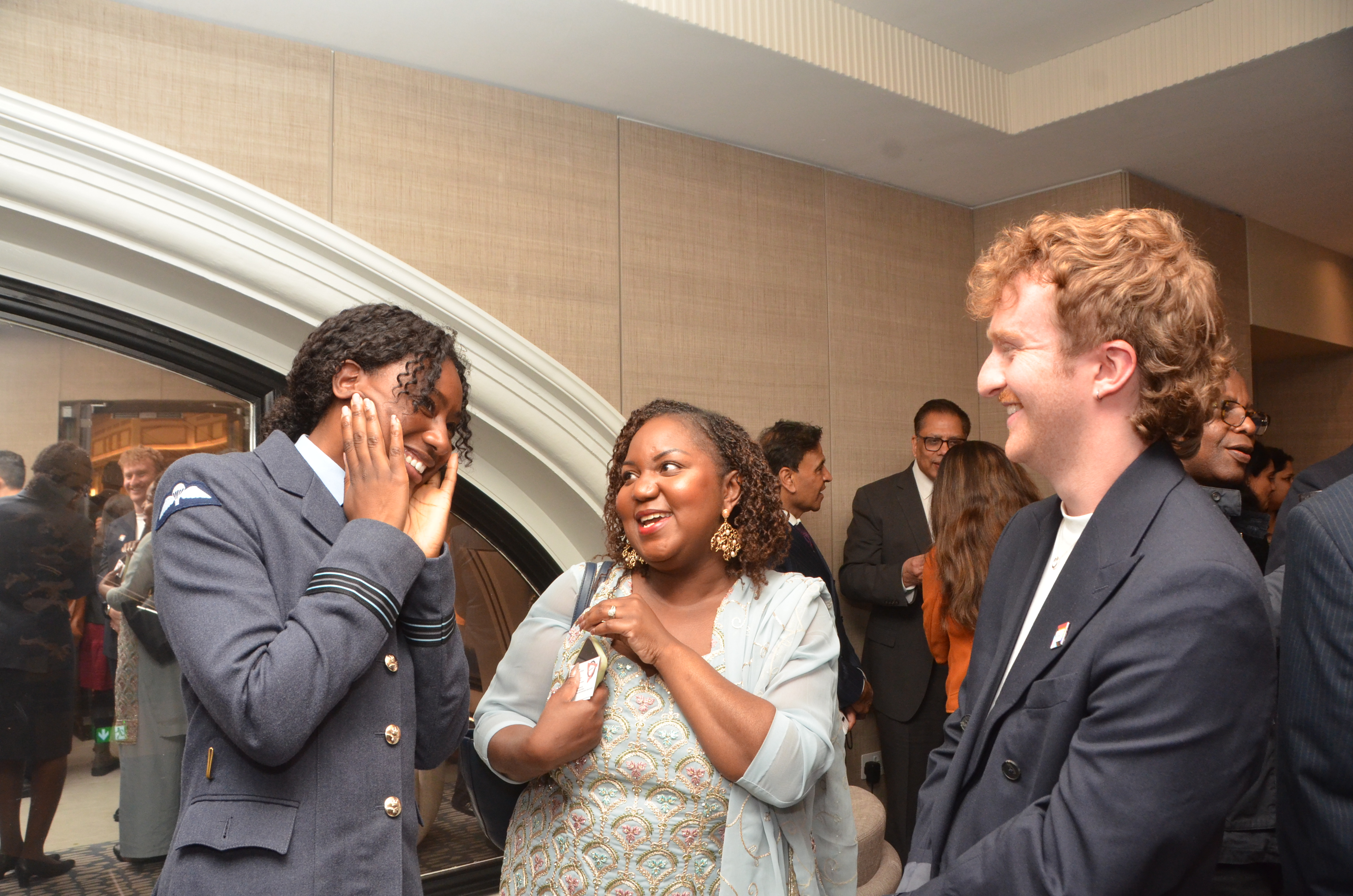
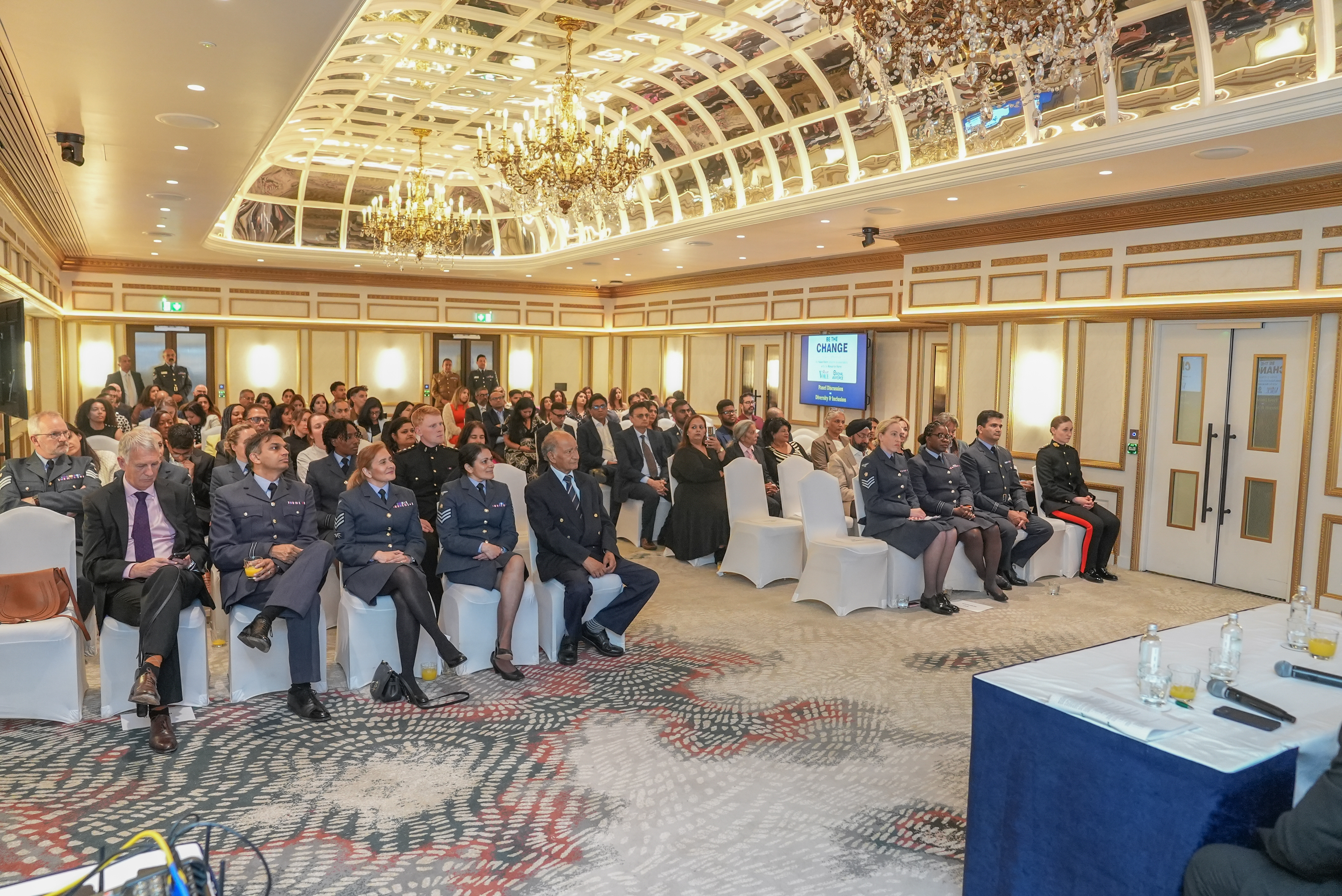
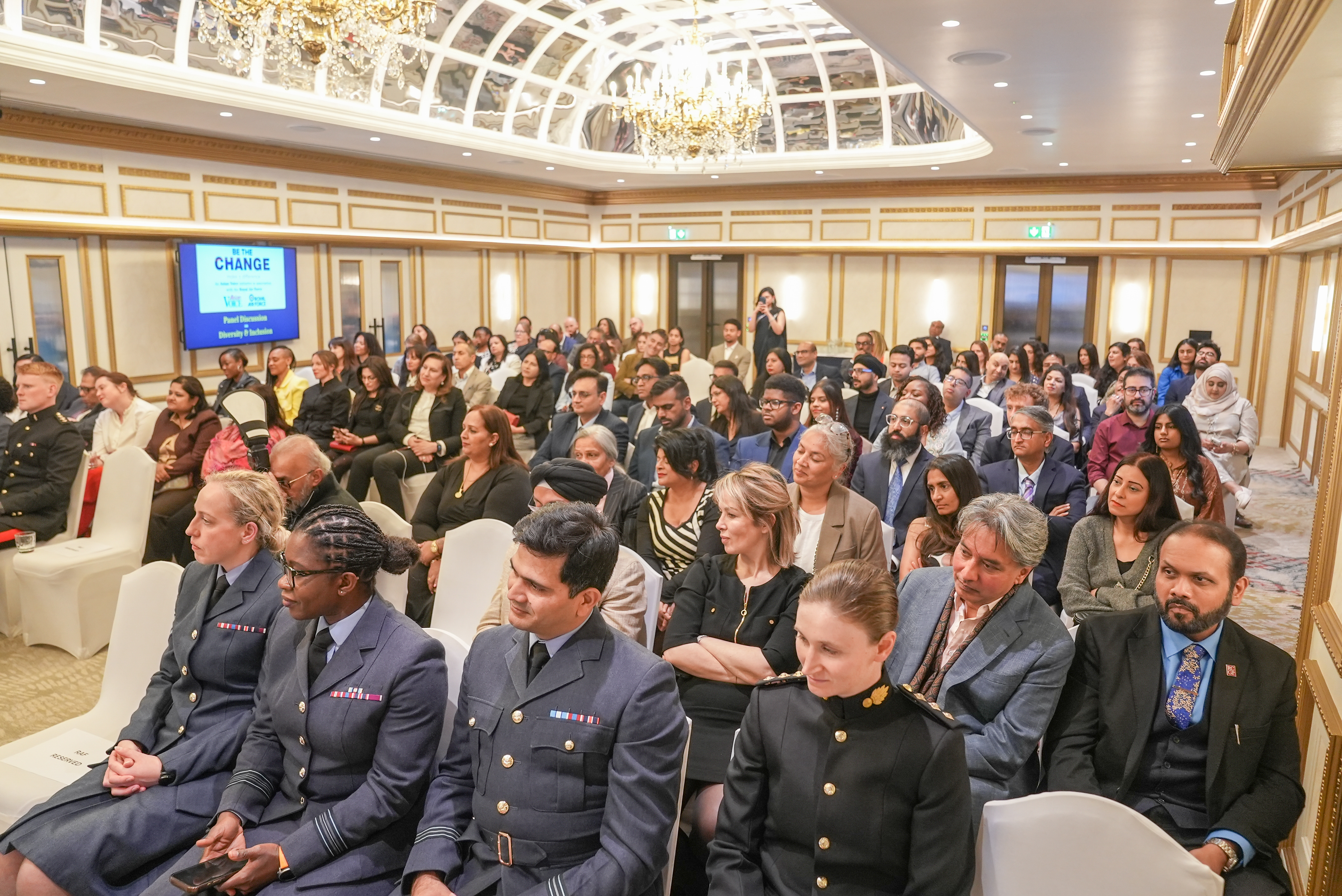
At a time when conversations around diversity and inclusion are becoming increasingly urgent, and increasingly contested, Asian Voice, in collaboration with the Royal Air Force brought together leading voices from across public life, advocacy, education and community leadership for the annual Be The Change panel discussion on Diversity and Inclusion on May 18.
Against a backdrop of growing social division and renewed debate around equality, the event explored what the future of diversity and inclusion in Britain should look like, why representation still matters, and how institutions can move beyond rhetoric to create meaningful and lasting change.
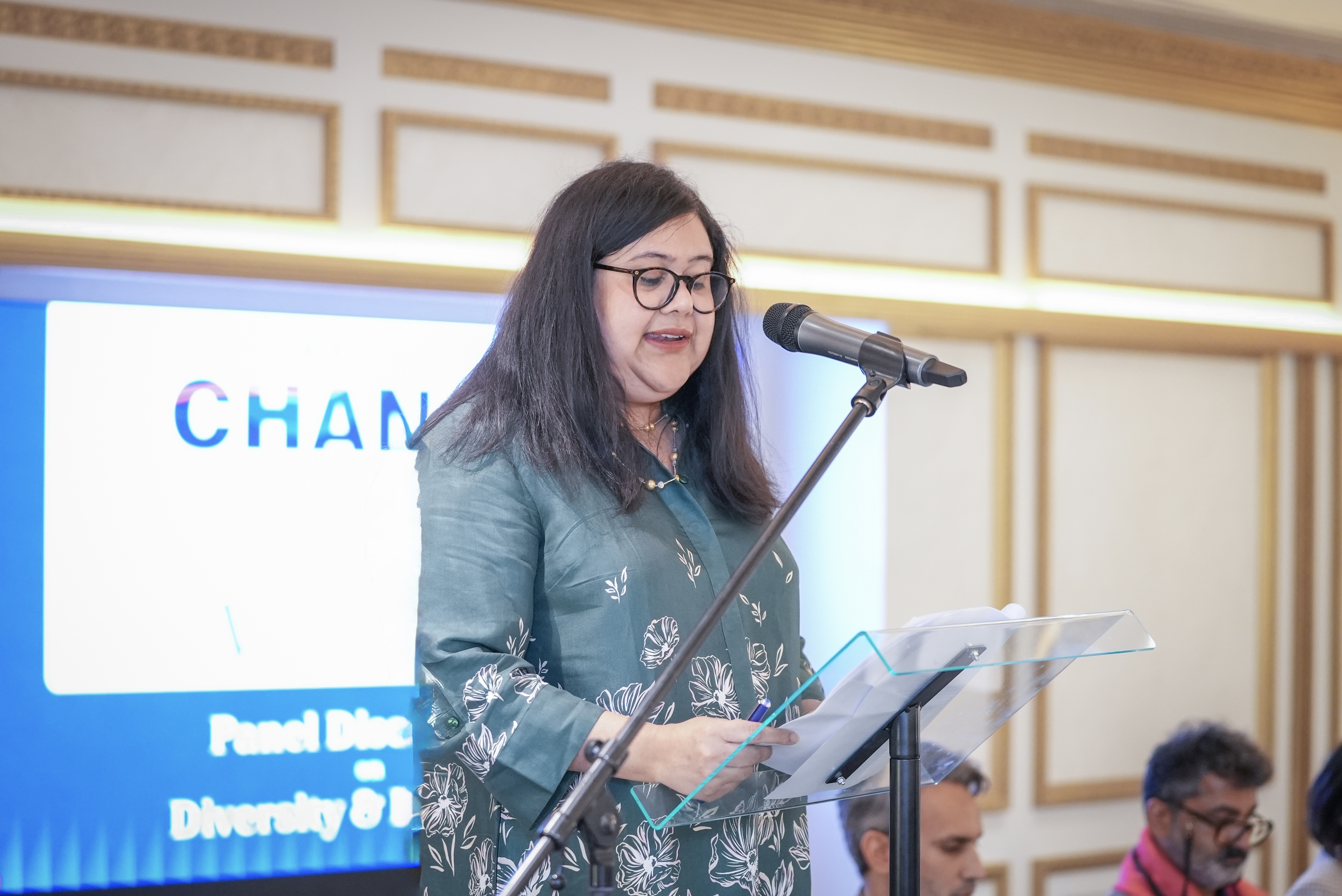
Rupanjana Dutta, Managing Editor of Asian Voice, opened the event by welcoming guests and addressed the growing debate around diversity and inclusion in Britain and internationally and gave special recognition to the Royal Air Force for its commitment to diversity across gender, ethnicity, religion, disability and LGBTQ+ inclusion.
She said, "The RAF and Asian Voice have, over the past five years, jointly hosted a series of events aimed at actively engaging with the British Asian community and highlighting the RAF’s ethos as an equal opportunities employer. These events have created valuable platforms for dialogue, inspiration, and greater understanding, while encouraging young people from diverse backgrounds to explore the many rewarding career opportunities available within the Service."
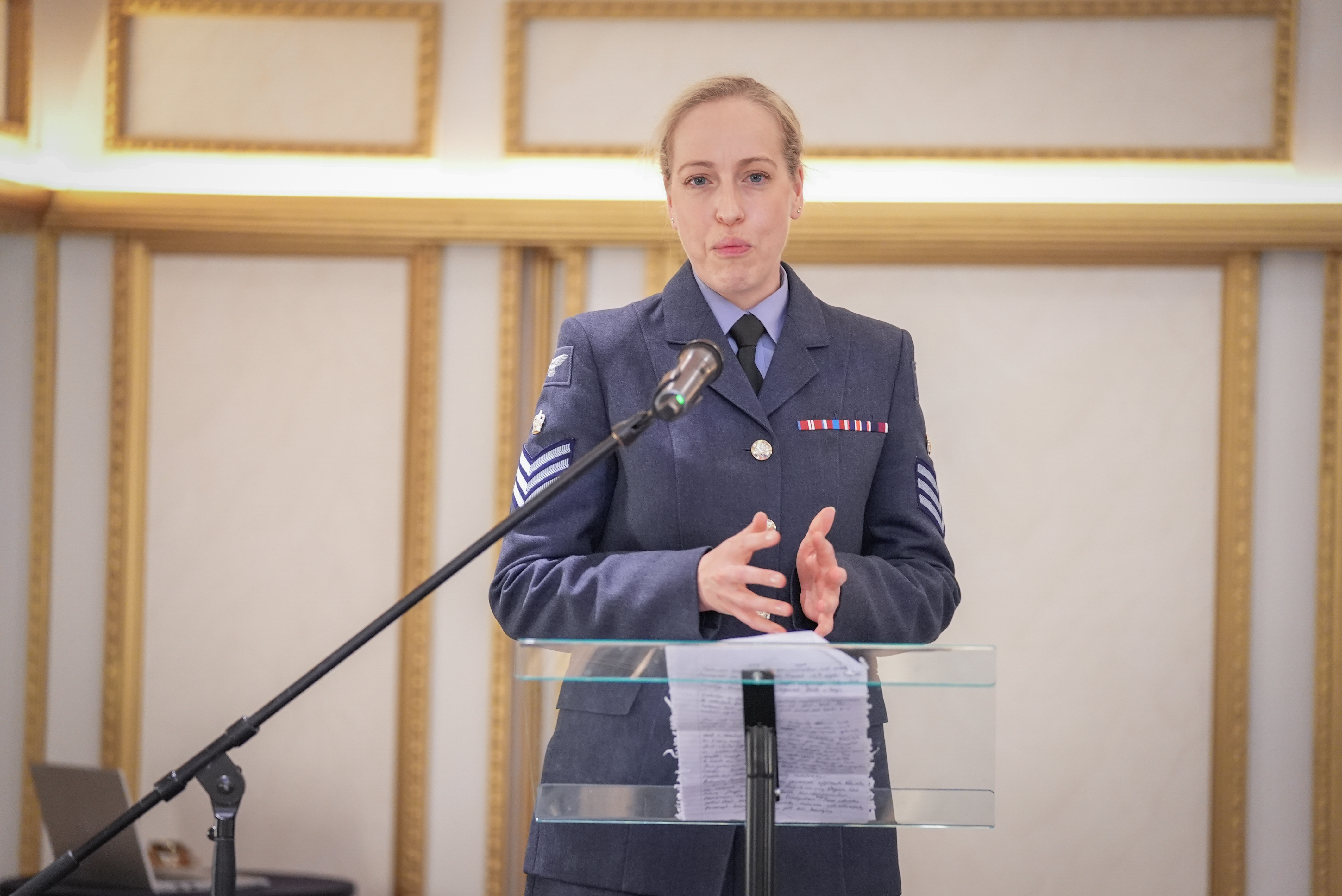
Flight Sergeant Louise Muzzlewhite, RAF, spoke about the RAF’s evolving approach to diversity and inclusion, emphasising that while the language around D&I has changed over the years, the commitment to opportunity for people from all backgrounds has remained constant. She said, “Across the RAF’s workforce of more than 32,000 personnel, we need talent, professionalism and diversity of thought to meet increasingly complex and evolving challenges.
“People are at the heart of everything we do, and our long-term success depends on our ability to attract, develop and, crucially, retain talented individuals. That means ensuring we recruit from the widest possible pool of people and create an environment where they want to stay and thrive.”
She said that the RAF conducts regular workforce surveys to assess representation and identify areas for improvement. Since 2006, ethnic minority representation in the Armed Forces has risen from 7% to 12.5%, while female representation has increased from around 10% to 12%. The RAF currently leads the services in gender diversity, with women making up 16.9% of personnel.
Concluding her speech, she encouraged the audience to consider how they could personally contribute to inclusion and “be the change.”
The panel discussion underscored the continued urgency of diversity, equity and inclusion efforts in an increasingly divided social climate, while highlighting how easily progress can stall without sustained commitment. It framed inequality as a structural issue, shaped by systems and institutions that restrict opportunity for underserved communities, and emphasised the importance of dignity, visibility and meaningful representation.
Class was identified as a neglected dimension of inclusion, often avoided because leadership structures remain dominated by privileged backgrounds and discussions of class can challenge existing power and privilege. The conversation also explored the pressure many people feel to conceal aspects of their background at work—through adapting their accent, behaviour or interests—to align with dominant norms. While such adjustments may serve as coping or survival strategies, the panel noted that they can also reinforce the notion that certain identities are more acceptable when hidden.
A career example illustrated the importance of resilience and persistence, describing how proactively following up secured an opportunity and how demonstrating specialist expertise under scrutiny helped build confidence and credibility. Overall, the discussion argued that meaningful progress depends on both structural reform and individual action, while noting that backlash is often rooted in fear and perceived threats to status, fostering zero-sum assumptions about who benefits and who loses.
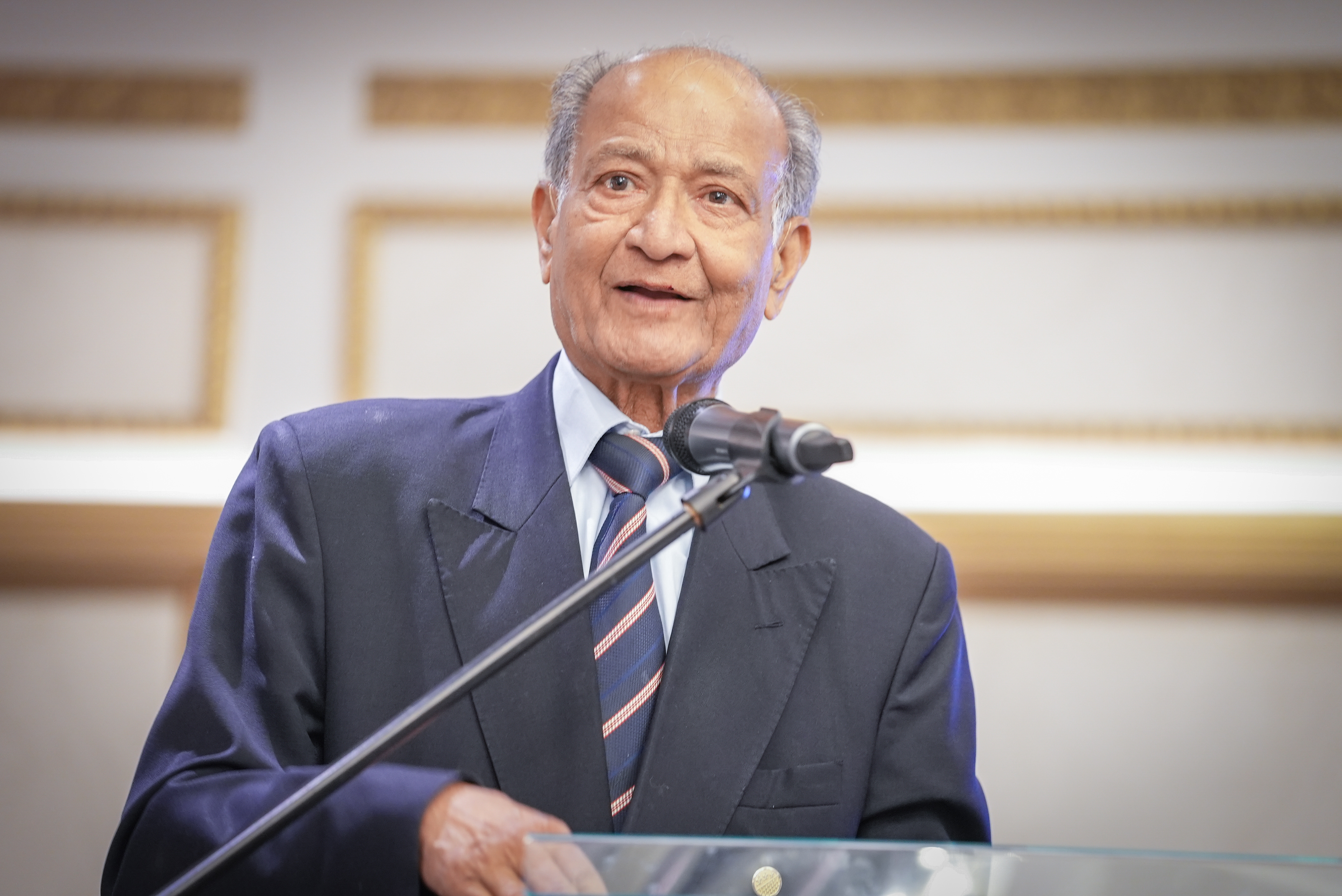
While delivering the vote of thanks, CB Patel, Chairman, ABPL informed the audience that, over the past five years, the RAF and Asian Voice have collaborated on a number of events. These gatherings, he said, have provided meaningful platforms for dialogue, inspiration and mutual understanding, while encouraging young people from diverse backgrounds to explore the wide range of rewarding career opportunities available within the Service.
In conclusion, he remarked, “This evening is yet another example of that shared commitment and collaboration.”
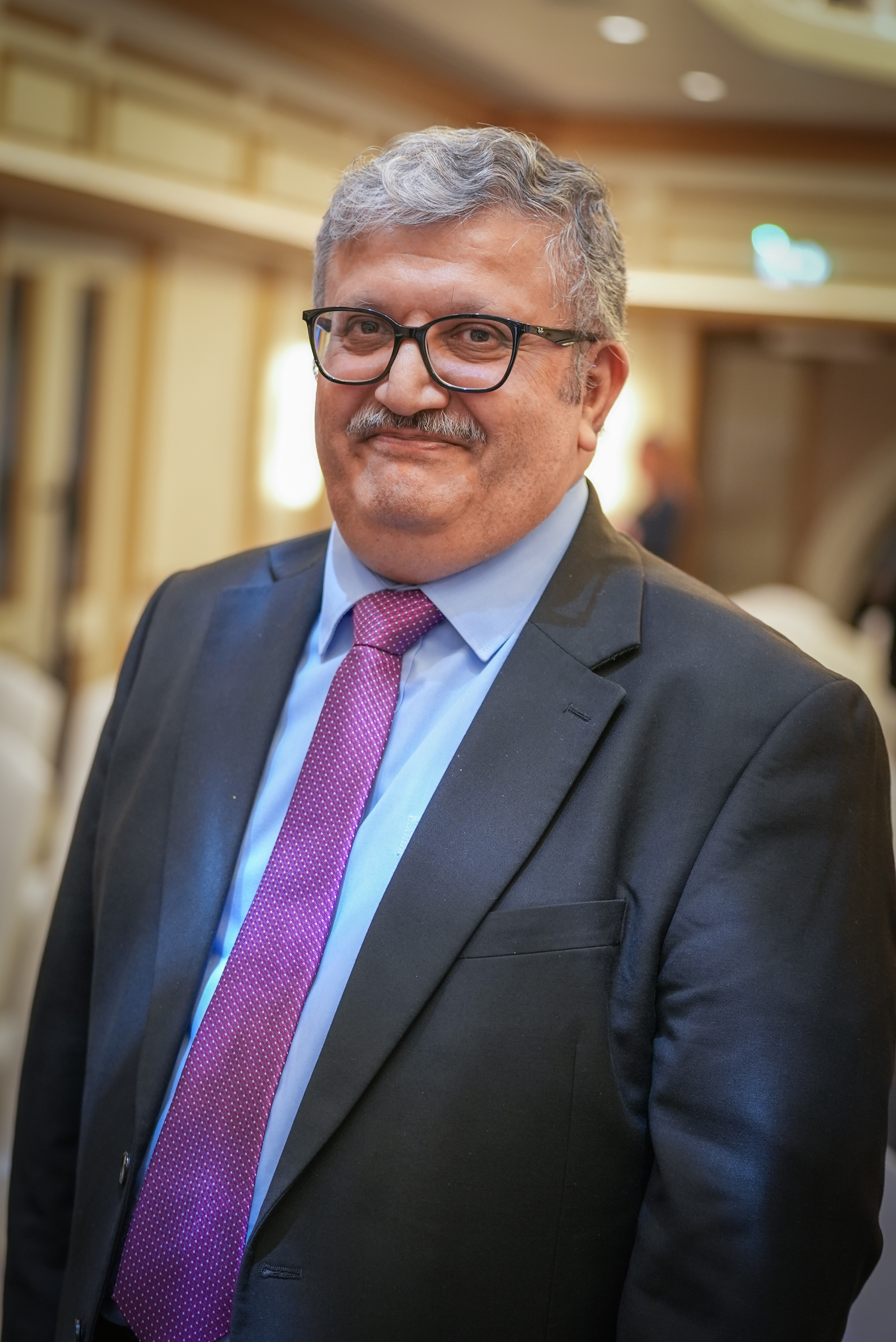
Jabeer Butt OBE
Chief Executive, Race Equality Foundation
Beyond the opportunity to share a platform with Faheem, Anjula and Laks, one of the most encouraging aspects of the event was the willingness to move beyond symbolic discussions of diversity and inclusion and focus instead on what genuine change looks like in practice.
During the panel, I reflected on how Britain dramatically reduced child deaths and serious injuries on our roads over recent decades. We once treated these tragedies as unfortunate but inevitable. What changed was not awareness alone, but a collective decision that preventable harm to children and young people was unacceptable. The result was sustained structural action: legislation on seat belts, safer car and road design, lower speed limits, engineering standards, enforcement, regulation and long-term accountability.
That is an important lesson for equality work. Real progress happens when institutions redesign systems and environments, rather than relying only on individual goodwill or better language. Hearing from many, that real change is not only needed, but is possible was very uplifting.
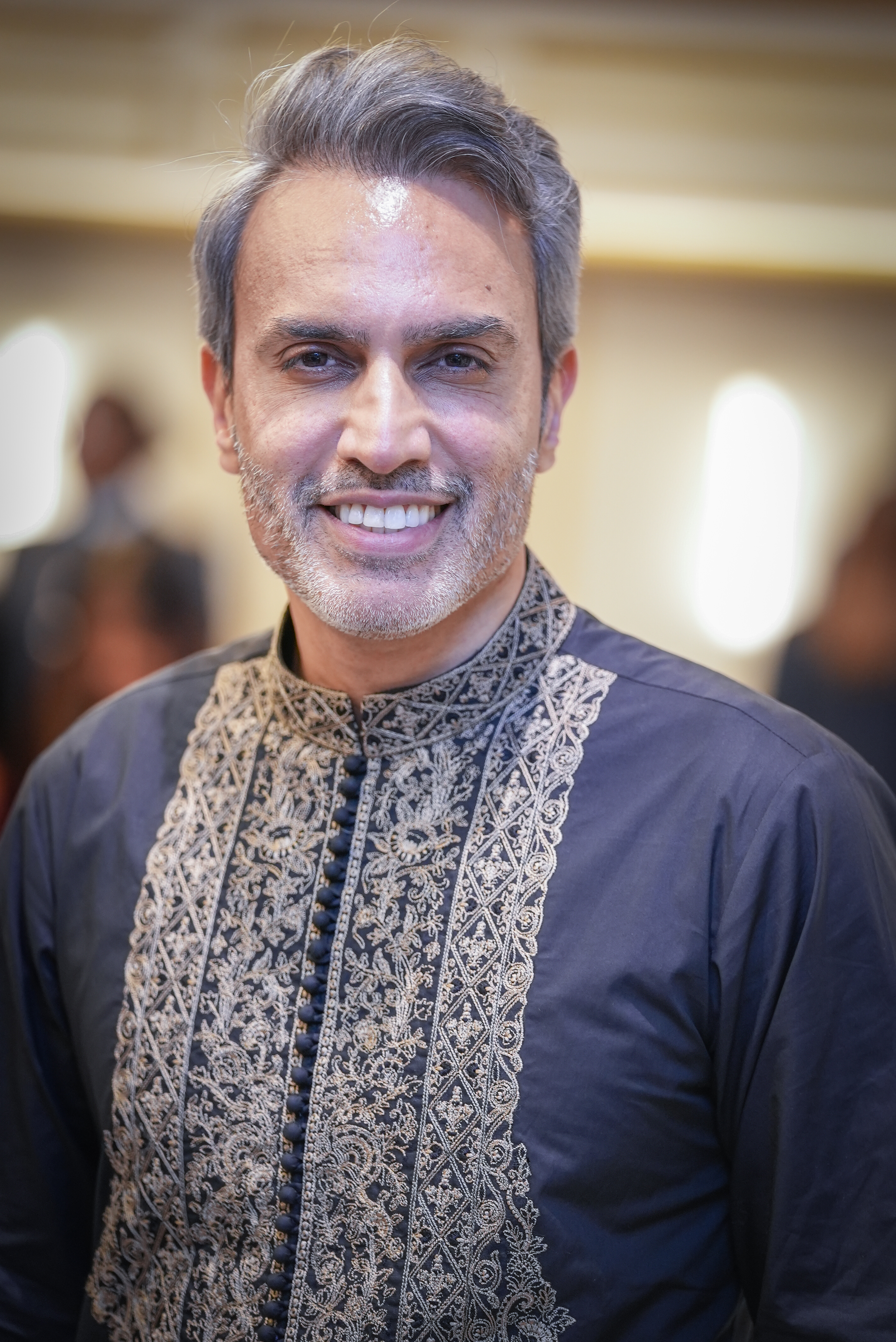
Faheem Khan
Founder of Future Leaders UK
Being part of the Be The Change panel evening was a genuine privilege. As moderator, what struck me most was the extraordinary diversity in that room: people from different backgrounds, industries, and communities, all united by a shared commitment to diversity, equity, and inclusion. That in itself was powerful.
We are living through a moment when this work is more important, and more under threat, than at any point in recent memory. Events like this one matter precisely because they refuse to let that conversation go quiet. They remind us that inclusion is not a trend or a corporate tick box. It is a moral imperative and a social necessity.
I was proud to share the evening with so many Future Leaders UK partners who support the social mobility work we do every day, opening doors for young people from underserved communities who deserve every opportunity to thrive.
I also want to extend particular recognition to the Royal Air Force, whose long-term commitment to supporting disadvantaged and underrepresented communities is a genuine example of what sustained, meaningful action looks like. They are not just talking about change. They are delivering it.
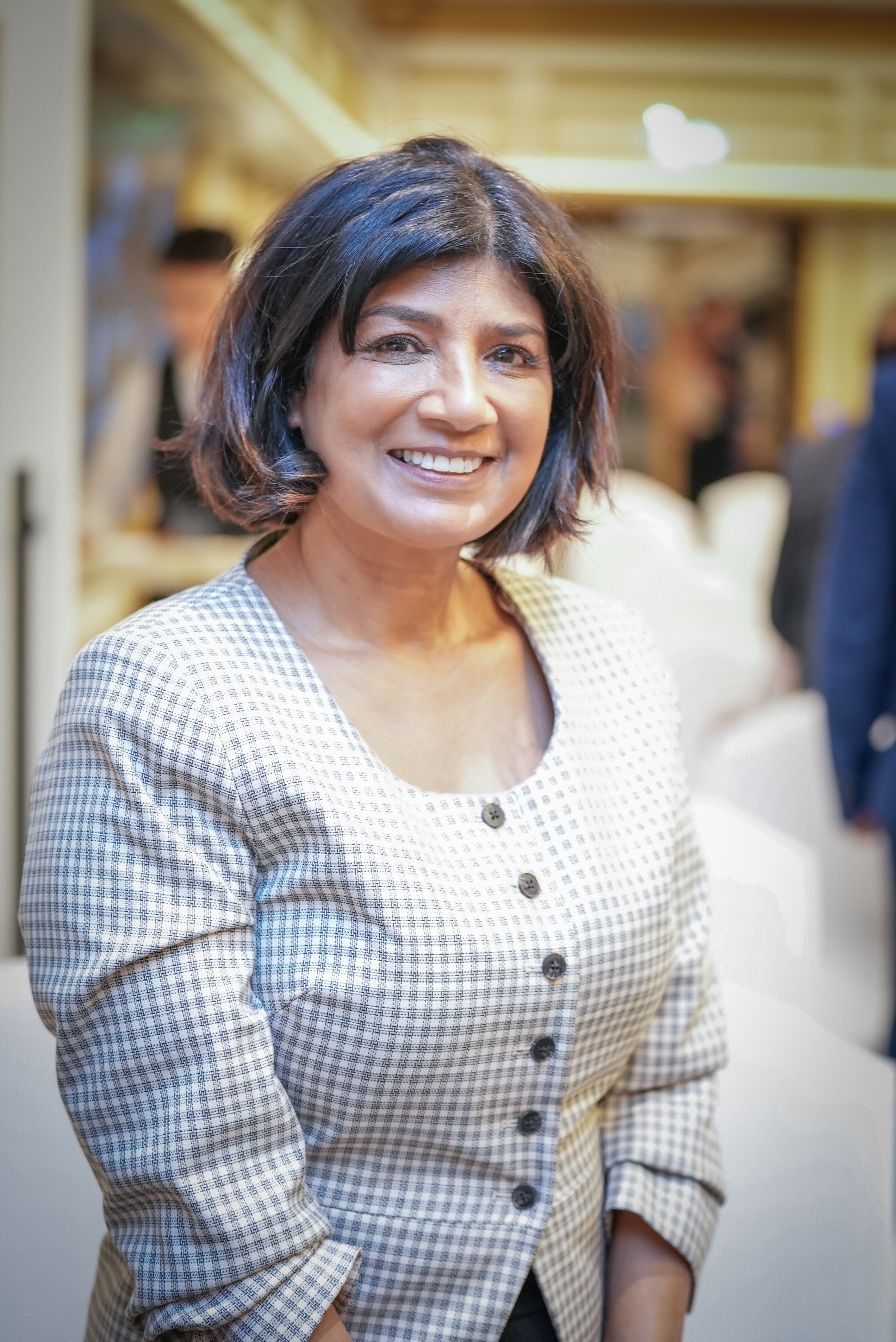
Anjula Devi
Author and Consultant chef, Manchester United Football Club
I was thrilled to see the room packed at the Diversity & Inclusion event. It represented the current appetite for these conversations and for meaningful change. Events like these remain vital in 2026, as a forum to discuss the dynamics and challenges around representation, equity, and belonging.
I’ve been fortunate to see positive changes firsthand, particularly during the seven seasons I've spent at Manchester United, where inclusion felt pretty well embedded in the culture and evident in the way a diverse kitchen crew worked together. People from different backgrounds respected one another and were judged on their contribution and character rather than anything else. That experience showed me what’s possible when inclusion becomes part of the everyday environment.
However, more work still needs to be done. I’m often called upon during South Asian Heritage Month (SAHM) by large corporations. When utilised effectively and sincerely, SAHM can provide a platform and a springboard for real inclusion throughout the year rather than just creating a temporary focus. Inclusive behaviour is at its best when it's consistent, authentic, and reflected in everyday actions, leadership, and decision-making.
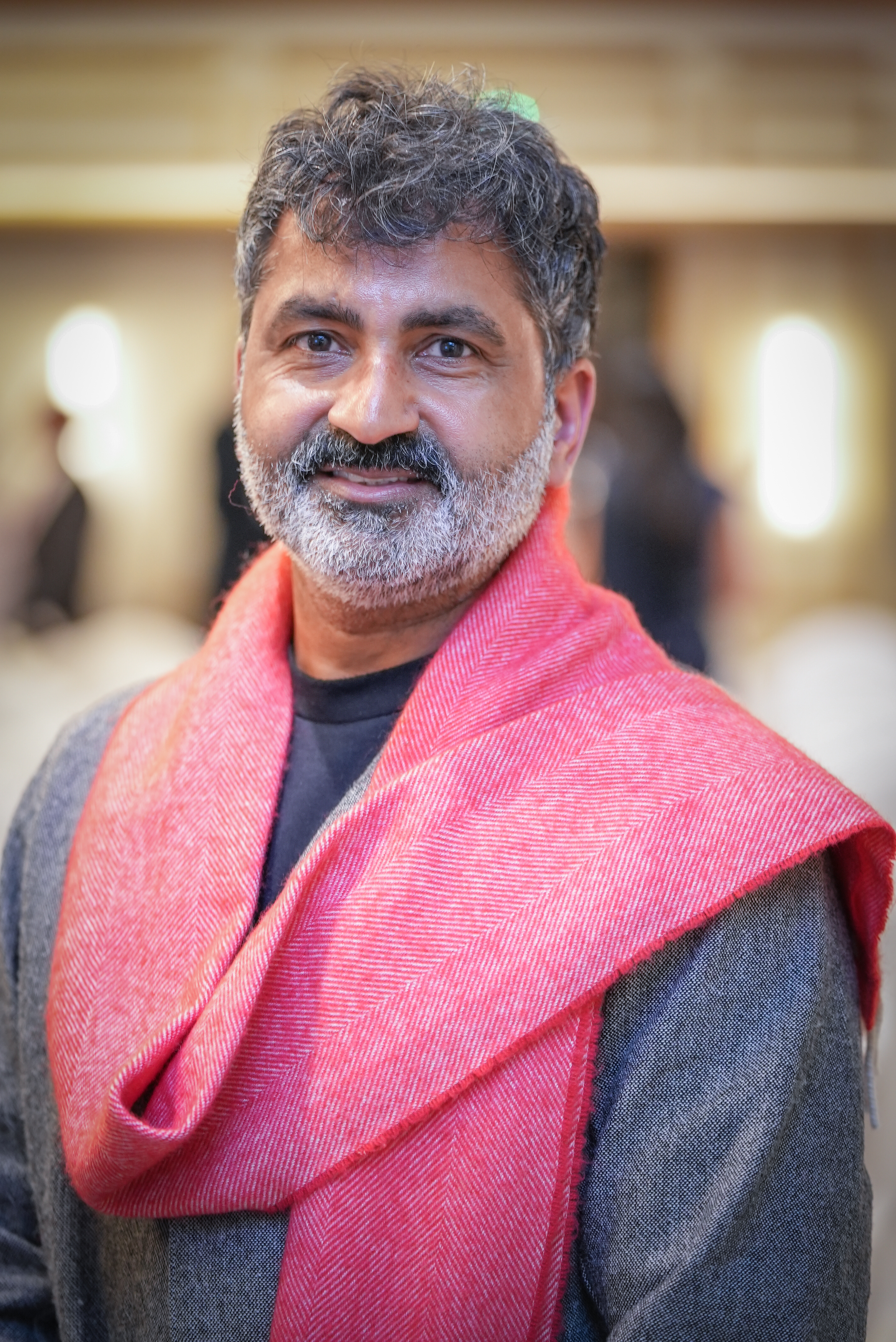
Laks Mann MBE
Diversity and inclusion expert and LGBTQ+ advocate