Reports indicate that the British PM is heading to India and the visit is expected to focus on deepening bilateral ties between the two countries and concluding a free trade pact soon. Johnson and Modi will talk about the ongoing global Russia-Ukraine crisis. In 2021, the visit of the British leader had to be postponed twice due to the surge in Covid-19 cases.
Foreign Secretary Liz Truss was in India on Thursday 31 March as part of a wider diplomatic push following Russia’s illegal invasion of Ukraine last month.
In a meeting with India’s External Affairs Minister Subrahmanyam Jaishankar, the Foreign Secretary said that Russia’s invasion of Ukraine underlines the importance of democracies working closer together to deter aggressors, reduce vulnerability to coercion and strengthen global security.
She wants to counter Russia’s aggression and reduce global strategic dependence on the country ahead of key NATO and G7 meetings next week.
Foreign Secretary Liz Truss said: “Deeper ties between Britain and India will boost security in the Indo-Pacific and globally, and create jobs and opportunities in both countries. This matters even more in the context of Russia’s unprovoked invasion of Ukraine and underlines the need for free democracies to work closer together in areas like defence, trade and cyber security. India is an economic and tech powerhouse, the world’s largest democracy and a great friend of Britain, and I want to build an even closer relationship between our two nations.”
She aims to work to deepen cyber security and defence cooperation between the two countries and announced a new joint cyber security programme.
The UK and India also agreed to closer maritime co-operation in the Indo-Pacific. The UK will join India’s Indo-Pacific Oceans Initiative and become a lead partner on maritime security issues, coordinating work with key partners in Southeast Asia.
This stronger partnership on maritime security builds on the visit to India last year by HMS Queen Elizabeth and the Carrier Strike Group (CSG) – a symbol of the UK’s world-leading defence capability. The CSG took part in the most demanding exercise ever undertaken between the UK and India, involving all 3 military services.
Strengthening ties with India has been a priority for the Foreign Secretary since taking up the role. This is her second trip to the country as Foreign Secretary following her visit last October and her third as a Secretary of State in 13 months.
Since the 2030 Roadmap was agreed upon last year, the UK and India have launched free trade agreement (FTA) negotiations.
On her trip, the Foreign Secretary confirmed £70 million of British International Investment (BII) funding to support renewable energy use in India. This will help build renewable energy capacity and develop solar power in the region. She also confirmed plans for a new platform to allow British investors to bid for green infrastructure, technology, and business opportunities in India.
The current volatility in oil and gas prices and energy security concerns, as a result of Russia’s invasion of Ukraine, underscore the importance of India’s green transition and move towards energy self-sufficiency.
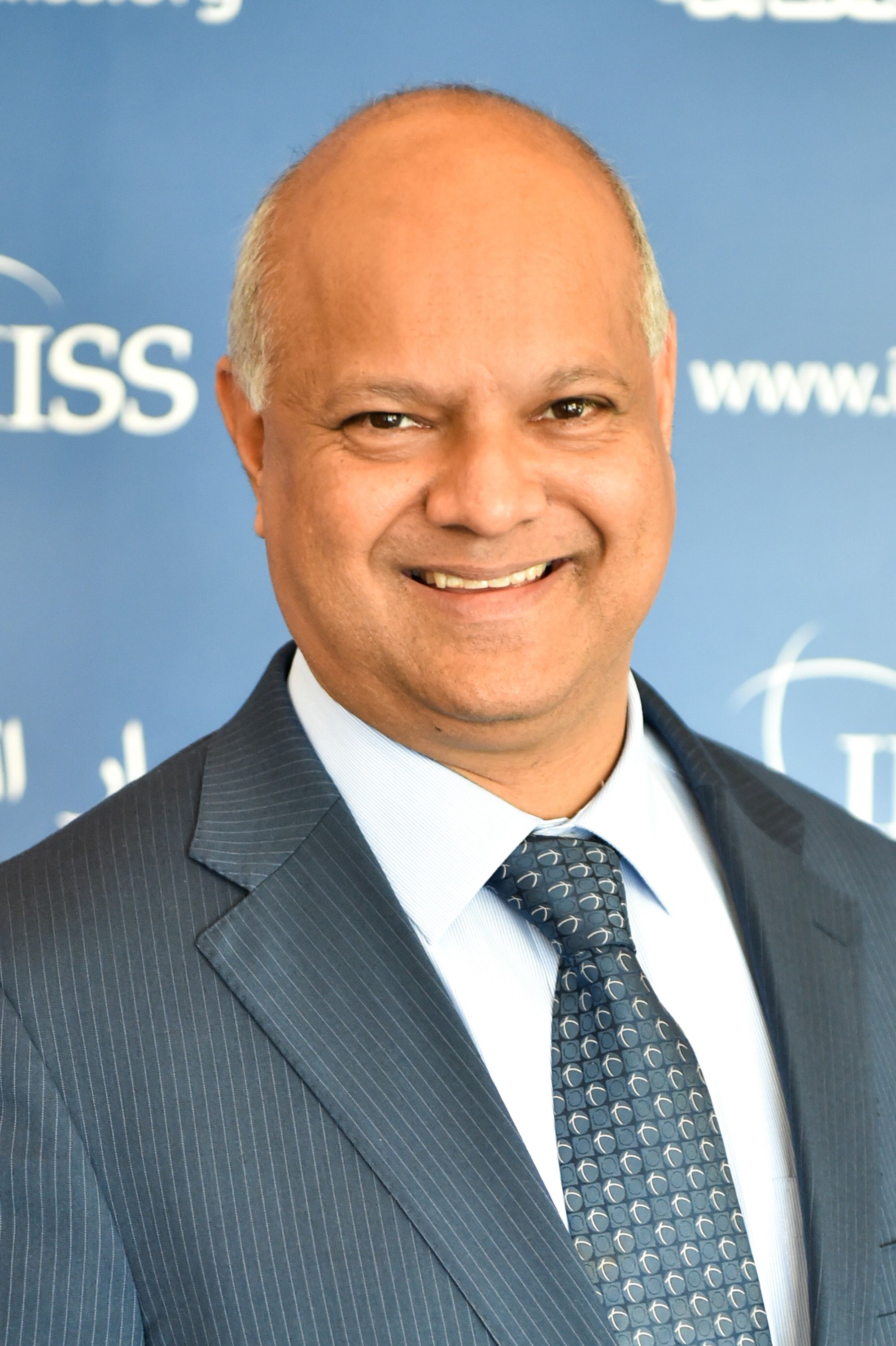
Rahul Roy-Chaudhury, Senior Fellow for South Asia, The International Institute for Strategic Studies (IISS) London told the newsweekly, “Russia’s invasion of Ukraine placed India in a diplomatic quandary in terms of choosing between its oldest (Russia) and comprehensive (US) strategic partner, amidst the aggressiveness of its largest neighbour (China).
“Instead, India chose to demonstrate its ‘neutrality’ in the conflict by abstaining from voting in UN resolutions; thereby not supporting nor opposing western condemnation of Russia. But, amidst the highly-charged political environment, the west perceived this as being supportive of Russia. Yet, India has been critical of Russia through its emphasis on 'respect for territorial integrity and sovereignty of all states', the provision of humanitarian assistance to Ukraine and its abstention on the recent Russian resolution in the UN Security Council on the humanitarian crisis in Ukraine. But, this also led to Russia’s unhappiness with India, representing the gravest challenge to India’s ‘strategic autonomy’ and ‘multi-alignment’ policies.
“However, India's criticism of Russia should have been bolder and louder as its actions were a blatant violation of international law and a severe challenge to an international order that India has hugely benefitted from. But, in the absence of any short-term, credible or affordable alternative to India’s dependence on Russian arms, this would fall short of condemnation of Russia. India’s calls for ‘diplomacy and dialogue’ should also have been followed up by high-level ‘pro-active’ Indian diplomatic engagement between Russia and Ukraine.”