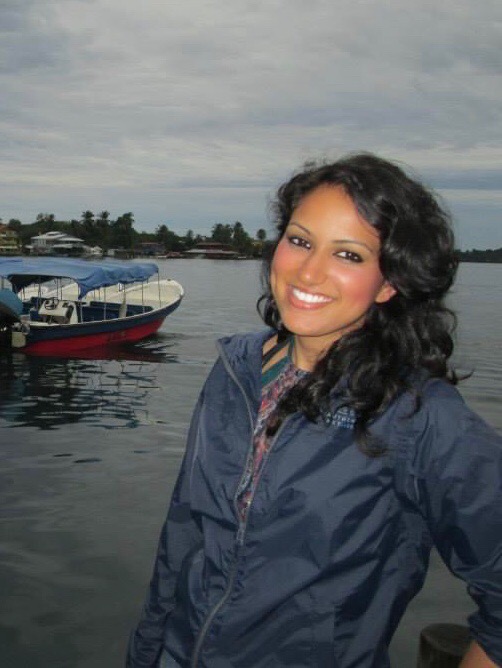
“Expressions of distress are different in the South Asian community. It is imperative that health services adapt to meet the needs of the largest ethnic minority group in the UK," said Dr. Husain. Dr. Mina Husain is a psychiatrist currently practising across various clinical settings in London and an adviser to Colourful Minds, a non-profit organisation that aims to improve the mental health of children and adolescents in the BAME community.
She is striving to create awareness about the specific mental health issues and challenges that BAME communities face particularly during lockdown. Inspired by a need to bring awareness around mental health issues both within South Asia and in South Asian communities in the West, Mina produced the acclaimed short film DIA in 2018. Premiering at next month's BFI London Film Festival, ‘Stray Dogs Come Out At Night’ is Mina's second film. She spoke to Asian voice about mental health in the South Asian community and her upcoming film.
What role can films play in spreading mental health awareness?
Film is our generation’s most influential art form and can both reflect and shape our attitudes towards mental illness. It is well known that those suffering with mental disorders are not only dealing with the burden of their illnesses but many are also enduring the effects of stigma from wider society. Stigma is thought to be caused by a lack of awareness about mental illness and can be influenced by portrayals in the media. Film is an extremely effective yet underused resource to spread awareness, reflect, educate ourselves and ultimately tackle the stigma attached to mental illness.
When it comes to mental health how much do you think men and women are at fault in terms of their approach and understanding?
I think that mental health can often be more confusing for people than physical ailments. Our research in Pakistan has shown that even amongst healthcare professionals and students there are higher levels of stigma associated with mental illnesses than physical health conditions. We need strategies to address this. These include public health initiatives like workshops, discussion groups and film screenings. We found it incredibly rewarding to screen our first film “Dia” across Pakistan, creating a safe space for individuals to share their experiences. Furthermore, a stronger emphasis on mental health training in healthcare students would be beneficial.
What according to you are the practices in the Asian community that have time and time again accelerated mental health issues in men and women?
I’ll first talk about the strengths in our communities. South Asian communities are usually very family orientated which can provide a pillar of support for many people. Many people in the South Asian community also have strong religious values and faith. Religion can be a protective factor and a source of hope. There are of course areas that we can work on. These include the concepts of shame and the hesitancy to talk about challenging topics. Mental health campaigns are known to be effective and can help open up the dialogue within the South Asian community. The community should continue to remain tight knit and provide strong family values and support for their children. They should create an environment which is secure and loving and builds up the self-esteem of a child.
What can one do to gather the courage to initiate dialogue around mental health issues without being ashamed of it? What is the right approach?
The first step is recognising that we’re all vulnerable. Every family is likely to have a direct experience with mental illness. Once we recognise and accept this we can seek support from our friends, family or from a professional. Mental health is extremely underfunded in many low income countries but also in high income countries, though it is increasingly being recognised as a priority. Here in the UK, mental health care is available through the NHS. You can see your GP for an assessment, who may refer you to a community mental health team and/or for psychological therapy. There are mental health apps that are available (I personally use “Waking Up” with Sam Harris- “Headspace” and “Calm” are also popular). In an emergency A+E is open 24 hours a day, there are crisis lines and charitable organisations.
Please tell us something about Stray Dogs Come Out at Night.
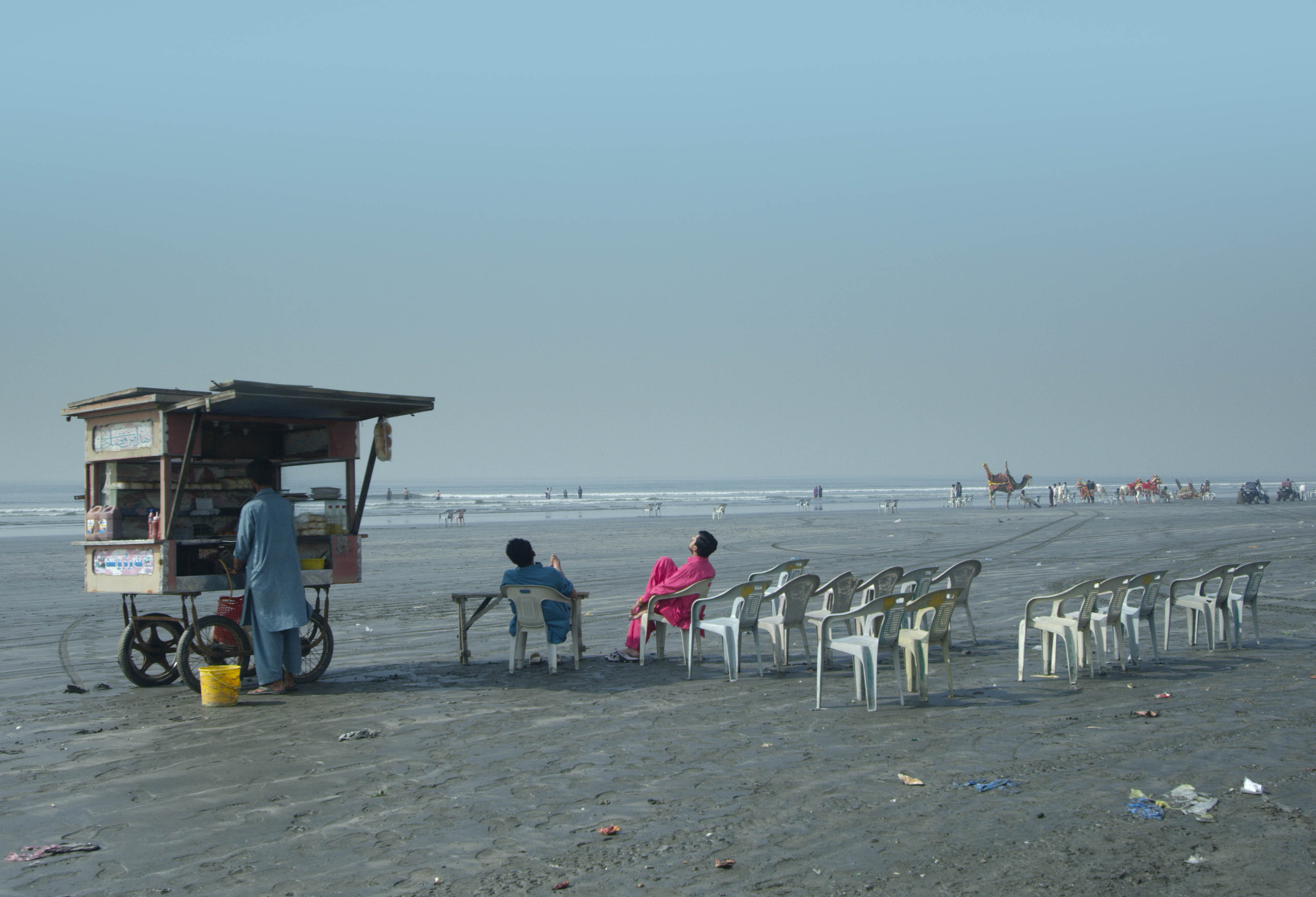
This film has been directed by Hamza Bangash and it was an absolute pleasure to work with someone so talented. The film stars Mohammed Ali Hashmi and Adnan Shah Tipu. Hamza and Mohammed Ali Hashmi were extremely dedicated and spent 8 months doing research into the subject matter, conducting interviews and reading reports. The film is about Iqbal, a young man, who comes to Karachi from a village in Pakistan to work as a roadside masseur. It explores some of the psychological challenges he faces and we hope it builds empathy and tolerance in our audiences. Stray Dogs Come Out At Night will be available to stream for UK audiences on the 64th BFI London Film Festival virtual portal from October 7th – 18th. Audiences will be able to vote in the festival’s Virtual Audience Awards. https://www.bfi.org.uk/london-film-festival