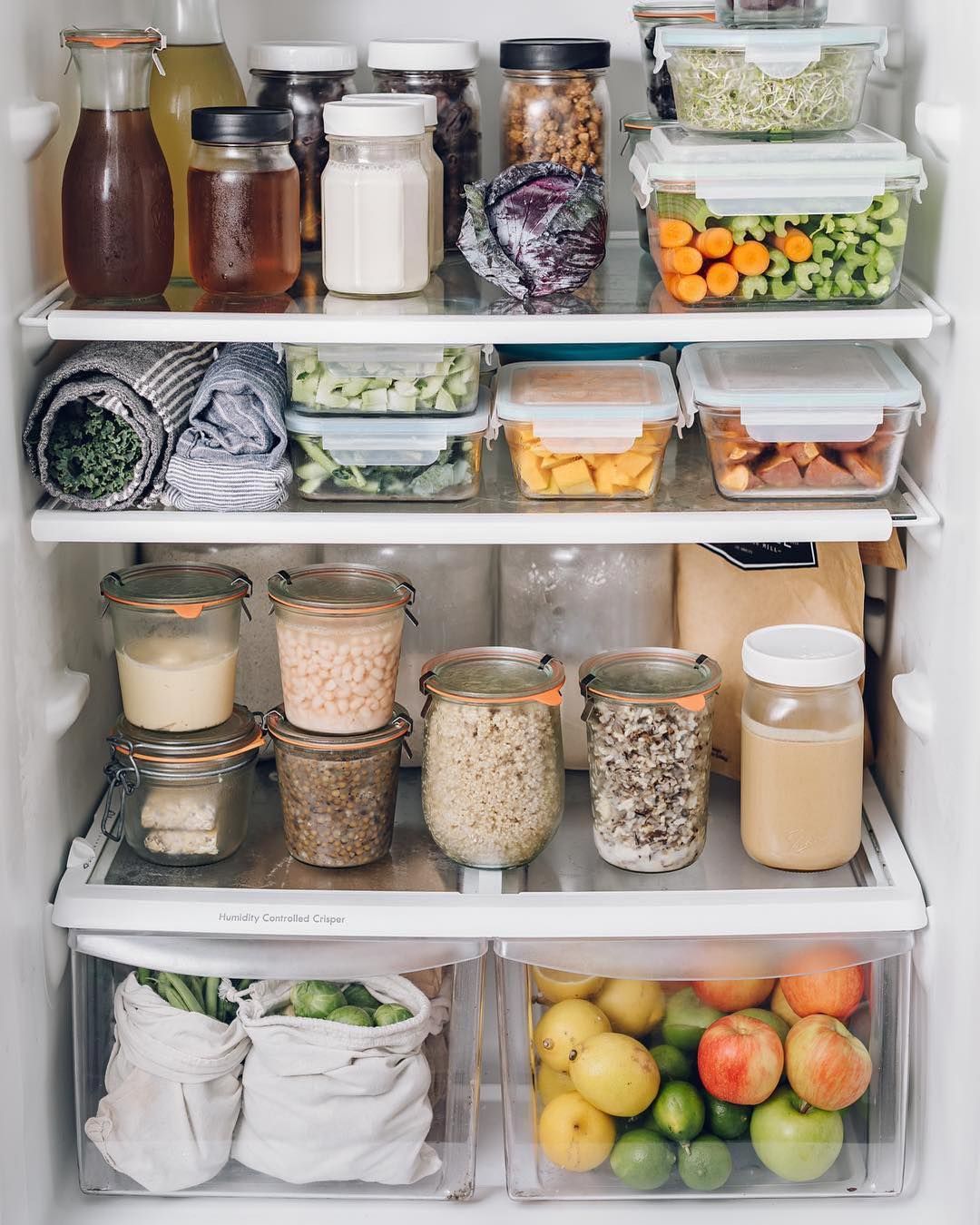
Food is one of the most disposable items in our households. How many times have you caught yourself throwing away uneaten food, something that could have been avoided by a little bit of preservation and planning? Many aren't aware that food waste is a major contributor to climate change, as rots produce methane, a greenhouse gas more potent than carbon dioxide.
Food preservation has been practiced for thousands of years and all it requires is some time and patience. Considering many of us are confined to our homes these days, what better time than now to learn a new skill?
We share a few well-known methods for preserving food and all you need are a few simple tools.
1. Freezing
Freezing is hands down one of the easiest options; a wonderful way of keeping batches of soups, stock-starters, and sweets! However, you will need to watch out for that nasty freezer burn and be mindful about how you store the food.
Use reusable silicone bags, mason jars, and glass containers. Frozen food generally keeps for up to three months without losing much flavour.
2. Dehydrating
One of the oldest methods of food preservation, foods can be dehydrated with very few tools, as long as there's warmth and sunshine. One of the largest benefits of dehydrating is the compactness of bulk food. Almost all food can be dehydrated - think dried fruits and sun-dried tomatoes - so this option is ideal for buying seasonal produce and dehydrating it to use throughout the year.
3. Pickling
Most widely used method for preserving food, it includes quick pickling, canned vinegar pickles, and fermenting. All options use fresh vegetables, vinegar, and spices to extend the life of food. Just add fresh vegetables (cucumbers, onions, carrots) into an acidic solution like vinegar, and food is preserved for a longer time. Its flavor becomes tangy and sour, though.