The landscape of Indian nuptials is currently undergoing a spectacular metamorphosis as regional boundaries dissolve into a vibrant tapestry of shared traditions. While India has always been celebrated for its diverse cultural heritage, the modern wedding season in 2026 reveals a fascinating phenomenon called the Great Indian Amalgamation.
From the backwaters of Kerala to the bustling streets of Chandigarh, couples are cherry-picking the most emotive and energetic rituals from every corner of the subcontinent to create a truly pan-Indian celebration. This shift, heavily influenced by cinematic aesthetics and social media, has turned private family rites into grand, inclusive festivals.
The visual hallmarks of a Punjabi bride, specifically the Chooda and Kalire, have now become essential fashion statements for brides in Tamil Nadu and West Bengal alike. These crimson bangles and tinkling golden ornaments, once exclusive markers of Sikh heritage, are now embraced by women of all backgrounds seeking that iconic Bollywood bridal glow.
Similarly, the Baraat, the North Indian groom’s boisterous musical procession has marched its way into the traditionally quiet ceremonies of South India and Bengal. Today, a groom in Chennai is just as likely to arrive in a vintage convertible accompanied by a thumping dhol troupe as he is to follow ancient Vedic protocols.
Pre-wedding festivities have also seen a high-octane upgrade. The Mehndi night, once a modest gathering in TamilNadu, has been reimagined nationwide as a professional soirée featuring intricate henna artistry and temple-inspired décor.
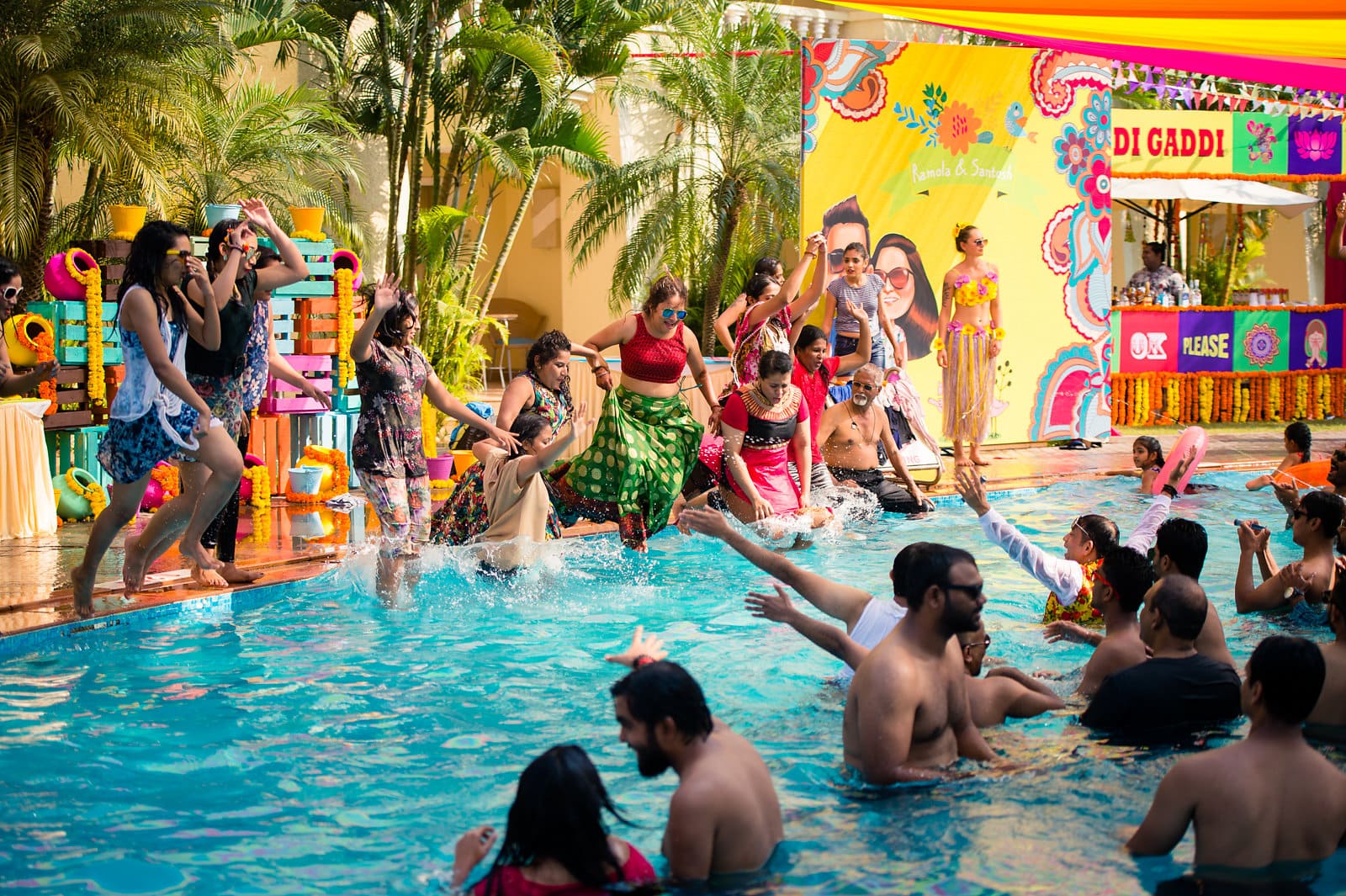
Even the sacred Haldi ceremony has evolved, inspired by the Bengali Gaye Holud, it has been rebranded as a "Yellow Holi" carnival. Couples now celebrate with flower petal showers and water guns, prioritising joy and Instagrammable moments over solemnity.
Intriguingly, the cultural exchange is a two-way street. The Kashi Yatra, a humorous Tamil Brahmin ritual where the groom playfully pretends to flee to the Himalayas to become a monk, is now being staged by North Indian families looking to inject a bit of theatrical comedy into their proceedings.
This fusion extends beyond national borders as well, with “White Wedding” aesthetics, such as ivory lehengas and cathedral-length veils merging seamlessly with traditional fire-circling rites.
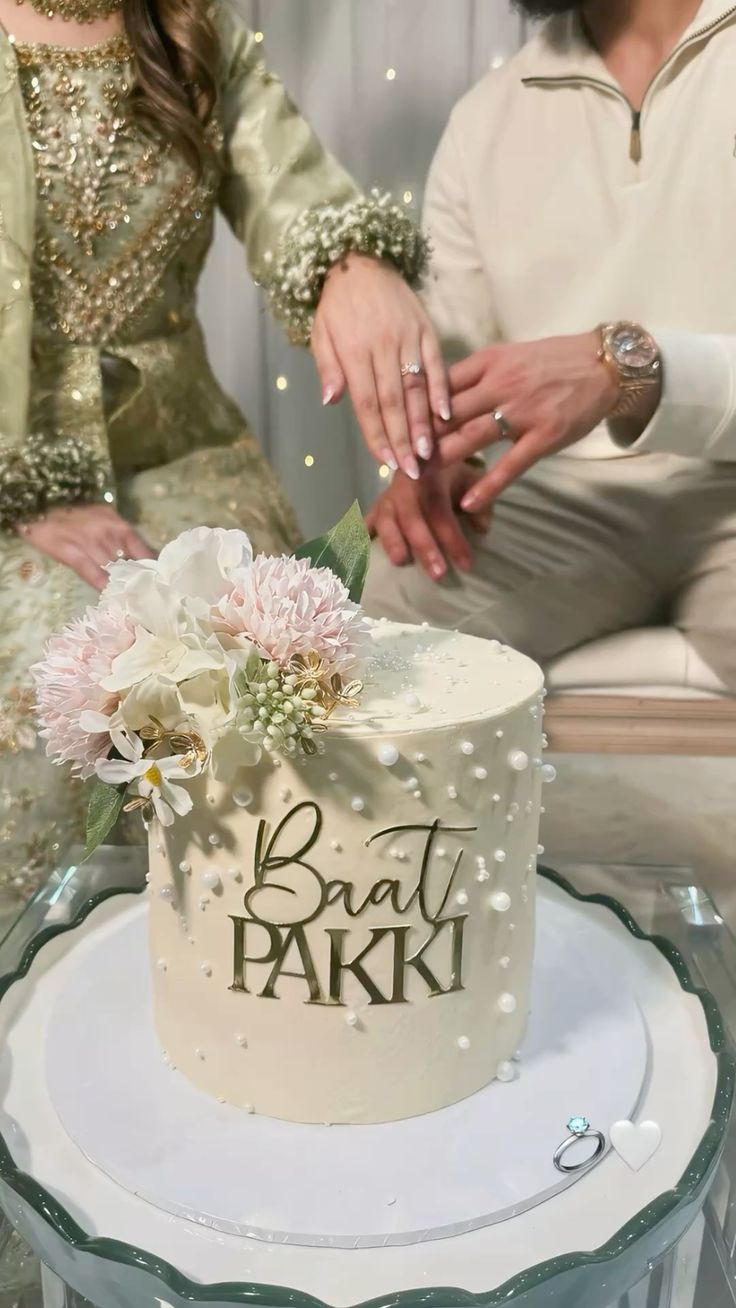
As the evening culminates, the Western tradition of the "Reception Toast" and the cutting of a cake, often flavoured with saffron or Rasmalai acts as the grand finale. These speeches offer a rare moment of individual storytelling within the larger-than-life family framework.
By blending the emotional weight of a Western aisle walk under a Phoolon ki Chaadar with the high energy of a Punjabi Sangeet, the modern Indian wedding has become a beautiful, borderless symphony of joy.