Nijjar answered our questions with the speed and precision one expects of an Officer who is excelling in the army. But with an extra, unexpected turn. Currently training in the Army Air Corps for his Army pilot ‘Wings’, after having completed his preliminary training at the Royal Military Academy Sandhurst, Nijjar also let us know of the welcoming and affable side of his, sometimes misunderstood, trade. “The public do have the misconception that the Army heavily focuses on physical aptitude, and that the institution itself is socially challenging- rife with racism and prejudice - but this is not the case. I would say it is your individual attitude that is absolutely pivotal in your success. If you are positive, willing and enthusiastic that is always reflected back to you. In my experience, superiors have always recognised people’s skills and drive over their background. Discrimination is certainly not ingrained in the everyday chain of command - it’s not systemic. Furthermore, the armed forces are very proactive about promoting diversity nationally: part of my wide-ranging day to day duties is public engagement. I promote awareness amongst potential candidates in schools, universities and at various formal events to recruit people from different walks of life. We want to reflect the society that we serve.”
***
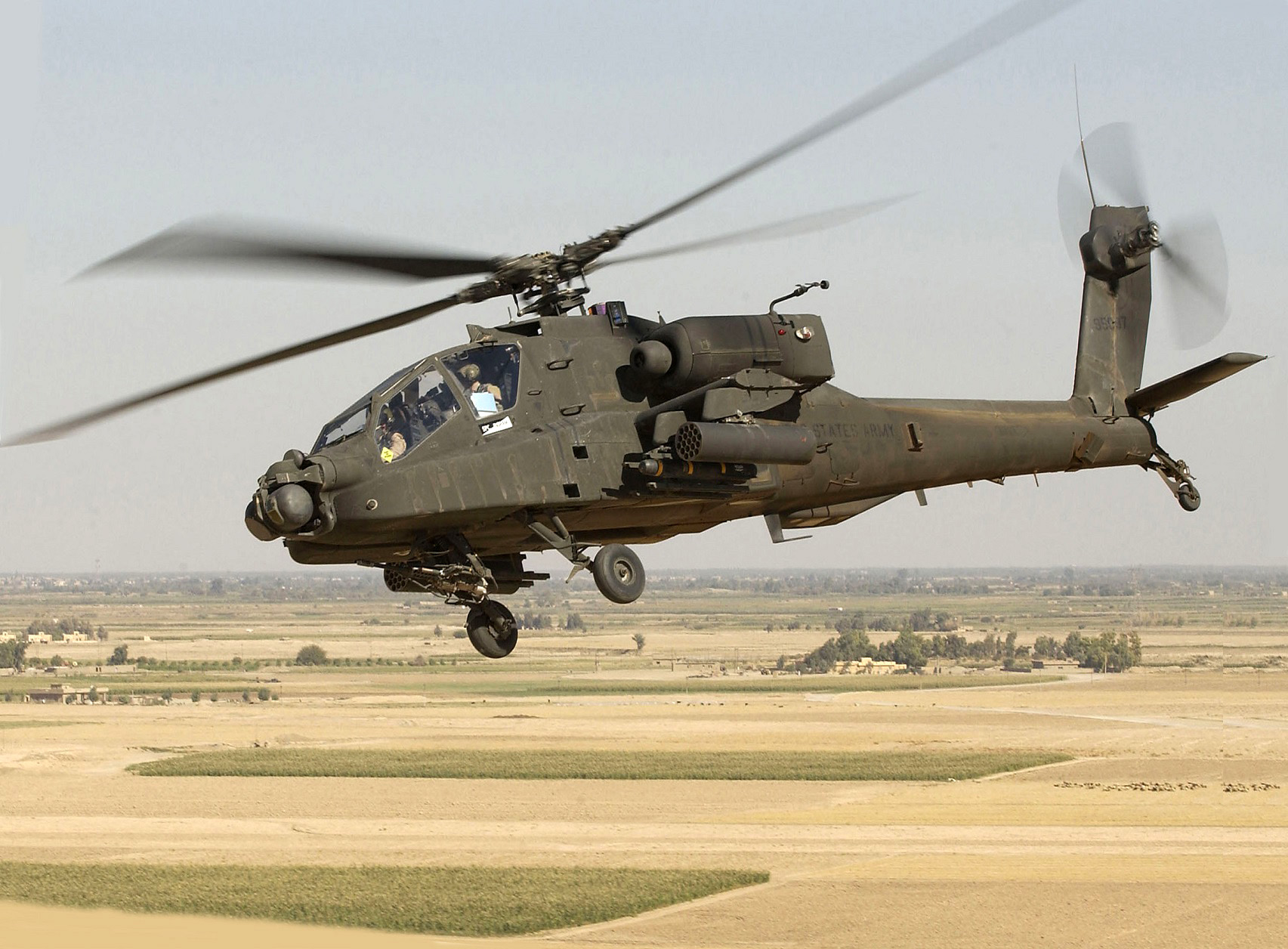
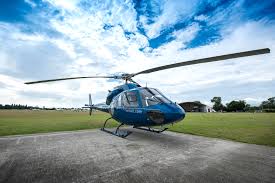
Indeed, the activity and constantly changing nature of his call to duty is what keeps Nijjar invested. “The variation and dynamic days are my favourite parts of the job.” This includes possibilities for the future. “At the moment I’m training with Squirrel helicopters so eventually advancing to operating the famed Apache helicopters is definitely on the cards. But there’s also the option of moving away from aviation altogether. For example, perhaps going down the command route. That’s more about managing and guiding fellow soldiers and officers and helping them progress within their own careers.” It is interesting that Nijjar also stated that a highlight moment in his career is undoubtedly: “the sheer thrill of the flying. I’ll be able to go away on a Land Away with a handful of people from the RAF base in Shawbury to North London to have lunch, and then fly right back in one day. It’s great to be paid to learn such exciting, new skills and to be blessed with such unique experiences.” With an alternative point of professional comparison at his disposal– Nijjar completed a degree in Law prior to joining the armed forces – the young Officer’s eloquent insights then demonstrate how the Army can be as much about personal liberation as it is emotional discipline, drills, and the pragmatic. “Honestly, it’s the rewarding digression from a traditional career that really drew me to the force. I’d had early exposure to physical training when I was 17 when I joined the territorial army, and always knew I’d come back,” Nijjar aptly stated. “I didn’t think a desk-bound job was for me. As long as I can continue to have a fulfilling trajectory in the armed forces, I’ll be happy whatever the future. It’s more than about titles. Just focussing on the immediate, and gradually qualifying for each necessary level is the greatest feeling.”
How has your Law degree entered into your Army experience?
It’s been a good foundation to start with because so much of my initial training at Royal Military Academy Sandhurst involved studious learning, and I enjoy that too. As I say, the Army incorporates a lot of unexpected life elements.
Can anyone really join the Army?
Honestly, if I can do it, anyone can. Meaning, whatever skill level and ability you come in with, the military will work with you to make sure that everyone is on that even playing field after just a short time. It is not beyond anyone’s reach.
As a corollary to this, as mentioned before, it is primarily about your outlook. You are treated the way you behave. If you’re a good person, and want to do better, you’ll be treated well. Your character is what people judge you on, and it’s important in a career where you are being so highly socially interactive.
You do have an older brother in the profession; have you found that sense of solidarity to be very helpful. And indeed, family support altogether?
Yes, having a brother in the same trade, job and regiment is of course very encouraging; I get a heads up of what’s to come. Spending time with family and receiving their support has been key in keeping up my morale in the army too.
Is interactive recruitment effective?
Yes, you are able to directly connect with someone who might not have otherwise considered the nuances and perks. That educative element is key in putting our message forward.
Sum up the attractive factors of your profession?
Meeting new people, the fact that every day is different and getting to travel the world.
When did you first become drawn to the army?
I was never drawn to it as a career at a young age because I wasn’t given a way to understand the ins and outs. However, at the age of 16, I had the opportunity of seeing where Apache helicopters were held. Just seeing that was great and planted a seed.
Finally, what’s a motto you have?
It’s more advice than a motto, but I’d say – always remain flexible. It’s helpful whatever you do in life.