The issue of immigration was the deciding factor in the outcome of this year’s local elections. The UK saw an unprecedented surge in xenophobic feeling that has only continued to rise. Not only did UKIP storm the EU elections but gained its first seat in British Parliament later this year. Despite such warning bells to major political parties, the current parliamentary landscape indicates that neither Labour nor the Conservatives have reached their rattled electorate.
According to Frank Field, a senior Labour MP and former Welfare Minister, there is so much unresolved frustration around immigration that it has the power to ‘break-up’ the two leading parties; not only are they losing public confidence but that of MPs who are fuming inside too.
As traditional leaders fail to address the issue of border control in depth, Miliband all but omitting the whole issue at the recent Labour conference, Field said that party members will be taking matters into their own hands, formulating their own manifestos for the nation: “Many MPs will be making personal commitments” he announced in an interview with the ‘Daily Telegraph’, “I shall be one of them. Others will too. They will want to survive.”
The Labour MP went on to praise Farage for “breaking the power of political correctness”. Indeed the inability to transcend this has been one of Labour's pitfalls. Apprehension about discussing the nuances of immigration e.g. that it is not foreigners who are the problem but the procedure of regulation and that this itself should be considered within the wider economic and social paradigm because of the fear that they will be scrutinised for the mistakes of a former government, is a lack of party responsibility; one that has manifested in the perceived lack of gumption from voters and MPs. Field insisted that ‘the temporary restriction of immigration must be the cornerstone of our renegotiation” and also chastised Ed Miliband’s office for a briefing note – uncovered by the Telegraph – which told Labour officials to “move the conversation on” from immigration rather than elaborating on the subject.
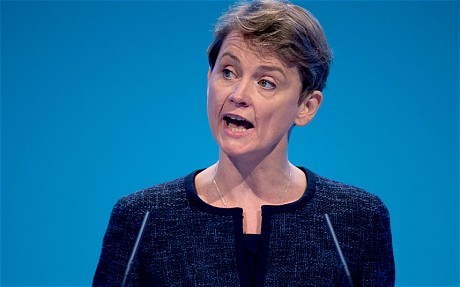
Last week also saw the Shadow Home Secretary Yvette Cooper warning of “a race to the bottom” between European countries if benefits are cut for migrants and shows Cameron’s government continuing to send mixed messages despite a multicultural country. The PM who has focused on strengthening international business ties with countries such as India, also pushed plans to cut welfare for immigrants for up to four years. A propagation of generalised anti-immigration sentiment, the Shadow Secretary commented that UKIP’s policies should be “exposed, not ignored”. She conceded that if Britain offered better benefits than France, Germany or Spain there would be “problems for migration” but called out doing the opposite as a full-scale “nightmare”.
This all comes amid cautioning by The Commons’ home affairs select committee to have an efficient system in place if the Conservatives are to re-introduce the 'e-borders scheme' by the end of March. Though the exit checks for those leaving the country may be more thorough, the report states there could also be unnecessary queues that will have “a serious negative impact on business, trade and tourism” and actually provide “opportunities” for “illegal migrants to attempt to embark vehicles.” Potential for chaos looming, this is a microcosm of how traditional parties are faring in the run-up to general elections.