Bangladesh is racing toward one of the most pivotal elections in its history; an election forged from fire, fury and the unyielding defiance of its youth. Just over a year ago, the nation watched in disbelief as Prime Minister Sheikh Hasina’s long-dominant Awami League crumbled under a student-led revolt now etched into history as the “Monsoon Revolution.”
What started as scattered campus murmurs exploded into a nationwide roar. Students from schools, universities and madrassas flooded the streets despite a brutal state crackdown, inspiring parents, teachers and ordinary citizens to join them. Even bitter rivals like the BNP and Jamaat-e-Islami formed an unlikely front to challenge Hasina’s 15-year grip on power.
The breaking point came on August 5, 2024, when tens of thousands stormed Hasina’s official residence, forcing the 77-year-old leader to flee to India. In the aftermath, student revolutionaries turned to Nobel laureate Muhammad Yunus to steer an interim government charged with rebuilding a nation shaken to its core.
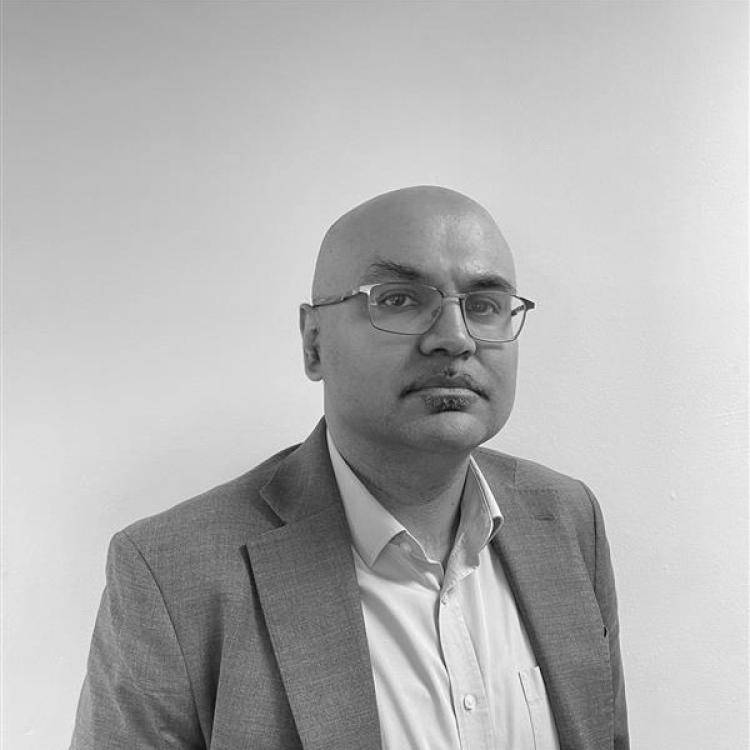
Reflecting on the youth-led movement, Dr Chietigj Bajpaee, Senior Research Fellow for South Asia at the Asia-Pacific Programme, noted, “The Monsoon Revolution, in many ways, has delivered more continuity than change. Bangladesh’s entrenched cycle of revenge politics is still very much alive. Under Sheikh Hasina’s government, the BNP and Jamaat faced persecution; now, under the interim administration, it is the Awami League and its supporters who are being targeted, with little sign of genuine national reconciliation.
“A key question in the months ahead will be whether the new government is willing, and able, to implement the reforms outlined in the July National Charter.” However, as elections draw near, the euphoria of the uprising has begun to sour.
The very young people who toppled a government now fear their revolution may be slipping from their hands. Instead of the “new political settlement” they imagined: fresh leaders, clean governance, a break from dynasty politics; they see familiar power networks regrouping for a comeback. Bangladesh’s old political families are reasserting themselves, threatening to overshadow the voices that sparked the transformation.
Dr Bajpaee warns that the uprising’s other core goal, breaking the grip of entrenched political elites and escaping the era of “battling begums”, is faltering. “Efforts to develop a credible third front through the student movement appear to be fraying as entrenched political elites reassert their influence. This comes as the most likely outcome for next year’s election is a BNP-led government.
“In this context, there is a risk that the youth become increasingly disenchanted as they fear a return to politics as usual. If the student-led NCP fear the odds are stacked against them during the election, we could see renewed unrest with the politics of protest becoming normalised,” he said.
The country of 170 million is fraying at the edges. Sectarian violence has become almost routine, raising alarms of a resurgence in radical Islamism. The Awami League, though banned from contesting the February elections, claims its members are being hunted down and killed. Yunus, once seen as a moral compass for the transition, is now accused of overreach and “lawfare” after barring the Awami League from the polls, citing its alleged orchestration of last year’s deadly unrest. The stakes could not be higher.
Bangladesh stands at a crossroads shaped by its youngest generation; the same generation that toppled a political giant but now fears the return of old shadows. The coming elections will determine whether the Monsoon Revolution marks the beginning of a new democratic chapter, or simply another cycle of the same entrenched power.