Solo travel has become one of the fastest-growing trends in the travel industry, driven by people seeking adventure, new connections, and meaningful experiences. No longer limited to young backpackers or retirees, more professionals in their 30s, 40s, and beyond are choosing to travel independently but with like-minded groups.
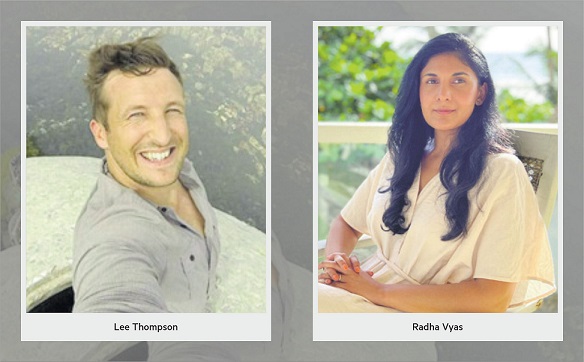
Recognising this shift, husband-and-wife duo Lee Thompson and Radha Vyas founded ‘Flash Pack’, a company that redefined solo travel by combining adventure with community. Their mission is simple yet powerful: to help solo travellers explore the world while building lasting friendships along the way.
What inspired you to create Flash Pack, and what gap did you see in the travel market for solo adventurers?
Radha: After a few failed ventures, I was stuck and searching for my “big idea.” Wanting an escape, I looked into group tours when my friends weren’t free. What I found was a huge gap in the market for people like me, independent, adventurous, in their 30s, often single, and craving connection. Solo travel was rising, people were settling later, and friendships were declining. Around the same time, I met Lee on Match.com. On our first date, I shared the idea, and he immediately connected with it. That very day, we started sketching out the concept. Within a year, Flash Pack was born, combining adventure with community for like-minded travellers.
What was the biggest challenge when you launched, and how did you overcome it?
Lee: Starting a travel company was tough. We had to convince people to spend over £2,500 on a brand-new business with no reviews or presence, an emotional purchase. The first six months were brutal, with barely any sales and even our first booking refunded. To push through, we relied on creativity. During the 2014 Brazilian World Cup, I took a selfie at the top of Rio’s Christ the Redeemer statue. It went viral, reaching over 100 million people worldwide and earning global press coverage. That exposure brought our first customers, filled several trips, and put Flash Pack on the map.
Why do you think solo travel has become such a strong trend in recent years?
Radha: Solo travel is booming because, by your 30s, time with friends and family rapidly declines. Careers, moves, marriages, and children shrink social circles, making it hard to even plan a dinner, let alone a holiday. That’s why more people, married or single, are turning to solo travel. It’s not only practical but also empowering, especially for women, and the industry is growing fast as more people embrace it.
How has the demographic of solo travellers changed over the years?
Lee: Our business grew quickly because no one in group travel was targeting people in their 30s and 40s, many of whom were single, child-free, or starting families later. This age group drove the solo travel trend, which post-pandemic has shifted toward connection and friendship for better mental health. We’re growing faster than ever and have now expanded into the over-50s market, where many are embracing travel later in life, often after delaying family, not having children, or post-divorce.
How do you think solo travel impacts personal growth compared to traveling with friends or family?
Radha: Traveling with friends and family is wonderful, you share memories and bonds. But solo travel offers a completely different kind of growth. It pushes you out of your comfort zone, builds independence, confidence, and resilience, and allows you to focus entirely on yourself without others’ needs. For many women, especially from Asian backgrounds, it can be a profound act of self-discovery, stepping away from roles like daughter, wife, or mother, and embracing personal freedom. It opens doors to new people and perspectives, and unlike family holidays, the impact often lingers for months or even years.
Where do you see solo travel heading in the next decade, and how will Flash Pack evolve with it?
Radha: Solo and group travel are both booming, and neither trend shows signs of slowing. Since Covid, people have realised how vital real connection is, studies even show loneliness can be as harmful as smoking 20 cigarettes a day. Group trips, where strangers quickly bond through shared adventures, have become a powerful antidote to disconnection. In today’s AI-driven, screen-saturated world, people are seeking in-person experiences, travel, yoga, run clubs, over digital interactions. This shift marks an exciting time: a backlash against online isolation and a move toward deeper, real-life connections. Companies like Flash Pack make this easier, helping people form lasting friendships and feel truly understood.
Lee: Solo travel is no longer just for singles, around 10% of our customers are in relationships but choose to travel solo, whether due to work, different interests, or simply wanting their own adventure. What’s also shifted is the mindset: it’s less about traveling alone and more about making friends and building connections along the way.