The Reserve Bank of India (RBI) on Tuesday cut repo rate by 25 bps to 6.25 per cent. Reverse repo rate under the LAF stands adjusted to 5.75 per cent, and the marginal standing facility (MSF) rate and the Bank Rate to 6.75 per cent. All six members of the monetary policy committee voted in favour of cutting repo rate.
In its policy statement, the central bank said that the decision of the monetary policy committee was consistent with the accommodative stance of the monetary policy. Retail inflation is expected to be 5 per cent by March 2017 with upside risk.
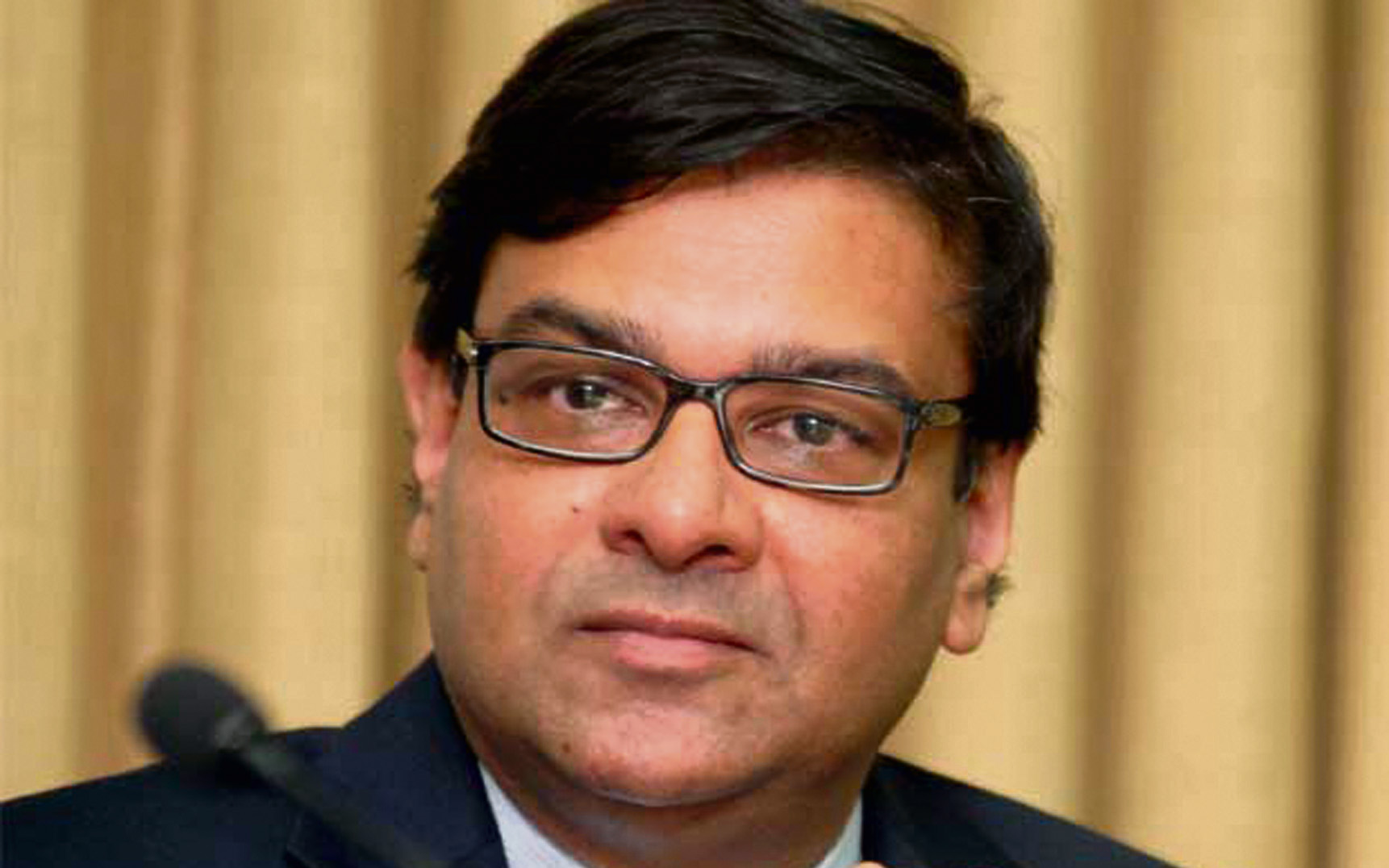
Tuesday’s policy review was Urjit Patel’s maiden announcement as RBI Governor. This was the central bank’s fourth bi-monthly policy statement for the year 2016-17. Earlier, former RBI Governor Raghuram Rajan had the final say on interest rate cut decisions. Patel now has to go by the advice of a newly set up six-member monetary policy committee (MPC). This is for the first time that decision-making on interest rates has shifted to the six-member panel which has equal representation from RBI and the government.
Since January last year, the RBI has cut the repo-rate – the rate at which RBI lends to banks – five times. India’s retail inflation has touched a five-month low of 5.05 per cent in August, triggering hopes of a rate cut. The RBI and the government have set a retail inflation target of four per cent for the next five years with an upper tolerance level of six per cent and lower limit of two per cent. Mounting bad loans will remain another focus area of Patel’s debut policy review. Rajan has set a deadline of March 2017 for banks to clean up their balance sheets. Patel has to ensure that there is no let-up on this cut-off date.
RBI cuts repo rate by 25 basis points
In the first monetary policy review under RBI Governor Urjit Patel, the interest rate was cut by 0.25 per cent to six-year low of 6.25 per cent in a unanimous decision by the new rate-setting panel MPC. The cut, first in six months, came amidst big clamour for easing rates especially after the departure of former Governor Raghuram Rajan, who was often accused of stifling growth by keeping rates too high.
The 6-member Monetary Policy Committee, headed by Patel, reduced repo rate or the short term rate at which central bank lends to banks, to 6.25 per cent. Consequently, the reverse repo rate has also come down by a similar percentage point to 5.75 per cent. The move will lead to reduction of lending rate by banks leading to lower EMI for housing, car loan and corporate borrowers.
"The decision of the MPC is consistent with an accommodative stance of monetary policy in consonance with the objective of achieving consumer price index (CPI) inflation at 5 per cent by Q4 of 2016-17 and the medium-term target of 4 per cent within a band of +/- 2 per cent, while supporting growth," RBI said in the fourth bi-monthly monetary policy review. All the six members voted in favour of the rate cut decision.
The Reserve Bank has warned, however, of risks to growth next year given the muted private investments and weak global demand coupled with geopolitical risks but is optimistic on meeting the Parliament-mandated inflation target of 2-6 per cent this financial year. "The inflation outlook for 2016-17 has improved, but close vigilance is required to achieve the prospects of reaching 4 per cent. Robust consumption brightens the outlook for real gross value added growth in 2016-17, but muted private investment and weak global demand may restrain the pace of growth in 2017-18," the central bank said in the Monetary Policy Report ahead of the policy review decision.
Despite this warning, RBI has pegged the GVA growth of 7.6 per cent for the current fiscal and 7.9 per cent the year after. Daily prices of sensitive items under pulses, fruits, vegetables and cereals suggest that the seasonal surge in food prices may have peaked in July, it said.
RBI expressed optimism that the trend may continue given the subdued momentum in food inflation in Q3 and the usual seasonal softening of food prices in early Q4, notwithstanding a reversal of base effects in March 2017, which in effect improves the near-term outlook for inflation considerably.
It also expects the commodity prices to remain under check during the remaining quarters of the year.
The central bank is basing its optimism to the improved household expectation on prices. In the September round of inflation expectation survey of the RBI which has found it to be 9.5 per cent in Q3 against 11.4 per cent a year ago. By contrast, producers' inflation expectations appear to be more forward-looking.