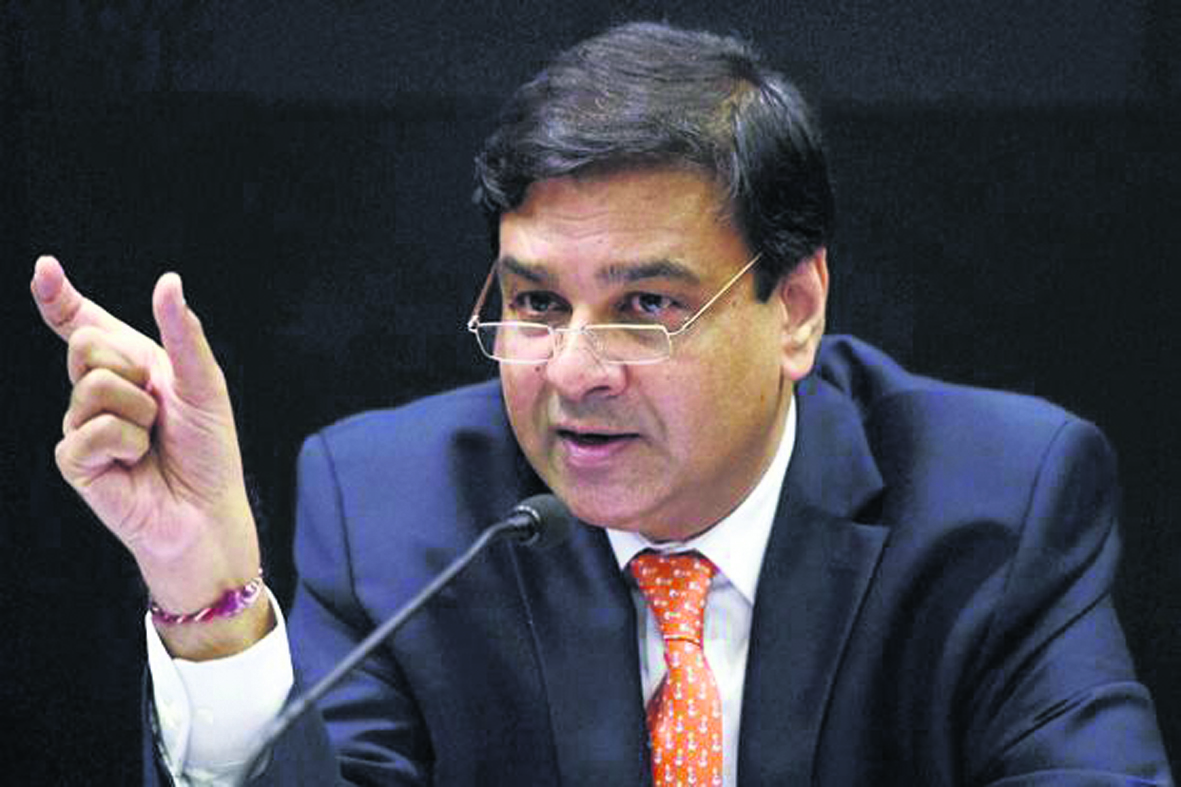
Alarmed over state governments waiving farm loans, RBI Governor Urjit Patel has called for a consensus on eschewing them to avoid damaging the national balance sheet. "It undermines honest credit culture, it impacts credit discipline, and it plugs incentives for future borrowers to repay. In other words, waivers engender moral hazard," Patel said. The statement was in response to a question asking about concerns over loan waivers.
Most recently, UP Chief Minister Yogi Aditya Nath recently announced a £3.60 billion farm loan waiver. The move, in all possibilities, could be followed in Punjab and Maharashtra. "If on account of this, overall government borrowings go up, yields on government bonds are also impacted. It can also lead to crowding out of private borrowers as higher government borrowing can lead to an increase in cost for borrowing for others," Patel said. He is not the first banker to criticise farm loan waivers.
State Bank of India chairman Arundhati Bhattacharya last month said, "We feel that in case of a (farm) loan waiver there is always a fall in credit discipline because the people who get the waiver have expectations of future waivers as well." Last week, Yogi Aditya Nath wrote off farmer loans, fulfilling his campaign promise. The waiver will be funded by the state government through resources raised by issuing Kisan Rahat Bonds.
Banks yet to fully pass on earlier cuts
The Reserve Bank, meanwhile, retained its repo rate - the rate at which it lends to banks - at 6.25%. But it hiked the reverse repo rate - the rate it pays banks - by 25 basis points to 6%. The hike does not increase interest rates but will help the RBI manage liquidity better by encouraging banks to park surplus funds with the central bank. Keeping rates in a narrow band prevents sudden short dips in rates due to excess cash in the system.
Addressing media, Patel said that there was room for banks to pass on the earlier interest rate reduction.“The Monetary Policy Committee (MPC) took note of the reduction in bank lending rates, but saw further scope in a complete reduction, including for small savings and administered rates,” said Patel.