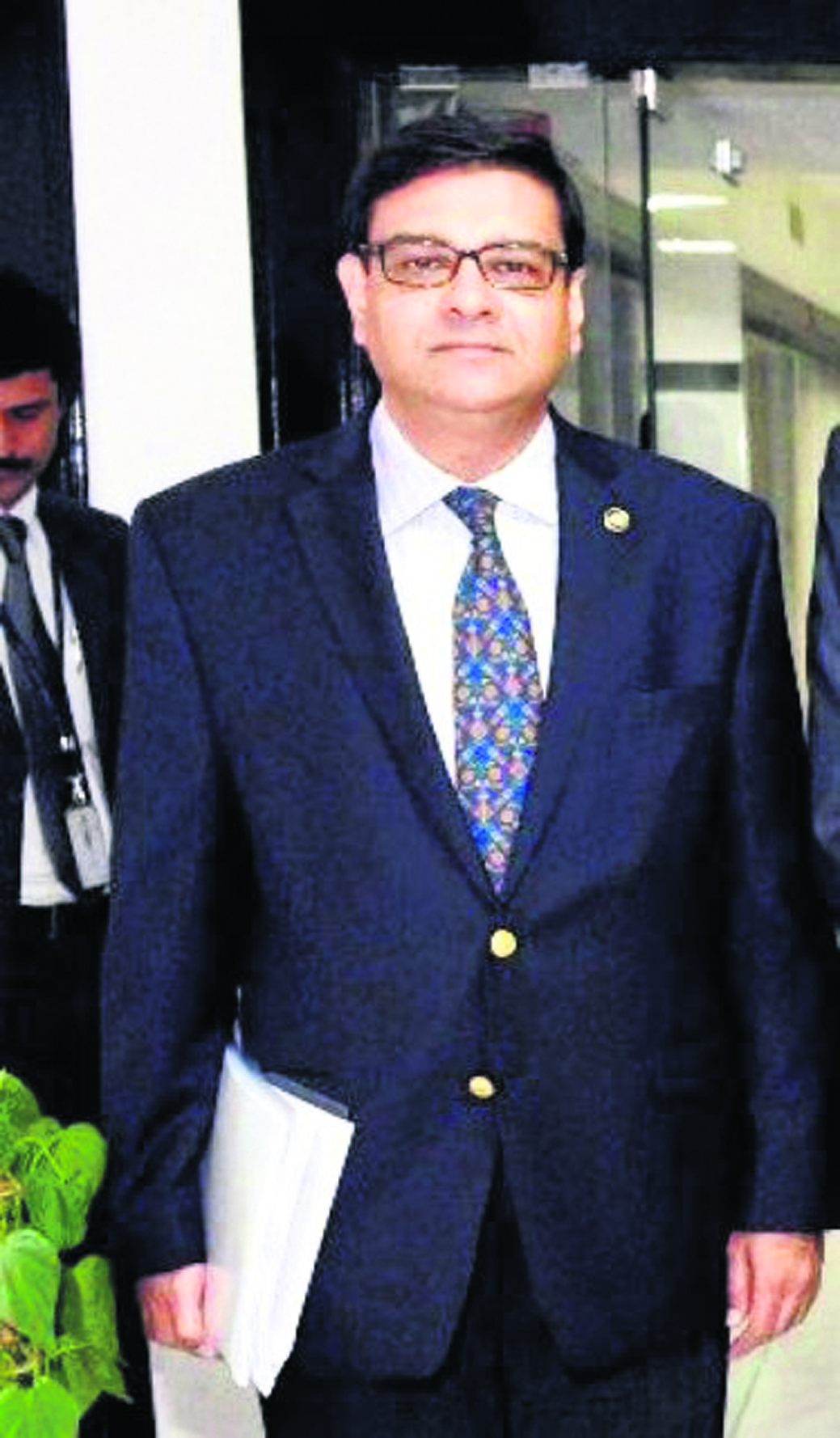
Governor of the Reserve Bank of India, Urjit Patel, has said that vigilance departments have to examine not just financial propriety of transactions, but also non-financial aspects arising from conflicts of interest, nepotism, and considerations of post-retirement employment as a quid pro quo. The issue of non-financial aspects of graft was addressed in a speech at the Central Vigilance Commission (CVC), in Delhi. Patel, in his speech, highlighted how “preventive vigilance” was a key tool for good governance in the public sector.
“Preventive vigilance reduces the likelihood of employee control over the action in the first place. It puts in place safeguards such that employee lapses are less likely to occur,” Patel said. He believes that employing punitive vigilance is difficult in public sector institutions because the rewards are low to start with, thereby limiting the possibility of downward revisions. He said, “Given this constraint, disciplinary actions that limit the chances of career progression are often the preferred punishment.”
Patel quoted American economist and Nobel Laureate Gary Becker, stating that the modern economic theory of corruption looks at the economic incentives rather than moral and ethical issues. “The insight (from Becker) was that criminals in society do the same calculation of the probability of getting caught times the potential punishment while determining whether to choose a criminal lifestyle and what crimes to engage in,” Patel said.
He also pointed out that the incidence of vigilance cases in the RBI has been negligible. “The percentage of vigilance cases against RBI employees vis-a-vis the total staff strength of the bank stood on an average at 0.004 per cent. Further, in terms of complaints received against RBI employees, the percentage that required punitive actions stood on an average at 0.081 per cent,” the governor said.