India is considering proposals for investment of £12.5 billion to boost domestic production of air conditioners and its components, furniture and leather footwear, while looking at options, including duty hikes, to reduce import dependence and push exports.
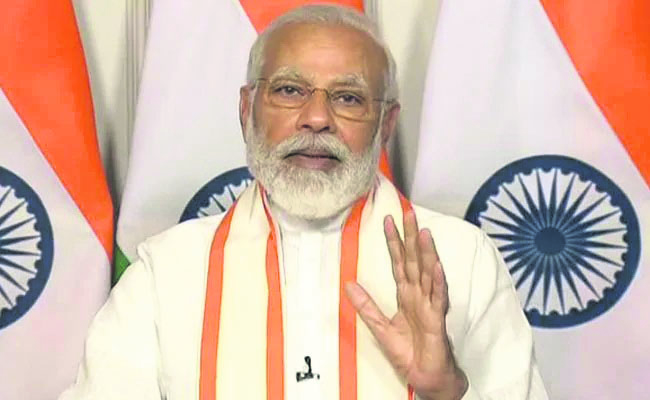
“To increase manufacturing, Make in India and employment, priority sectors have been identified and work has started in three sectors - furniture, air conditioner, leather and footwear. Just in case of air conditioners, we import over 30% of our demand. We need to reduce this quickly. Similarly, we have a small share in global exports, despite being the second largest leather producer,” PM Narendra Modi said at CII’s annual session.
Commerce and industry minister Piyush Goyal has held several rounds of discussions with a group of CEOs, led by Mahindra & Mahindra MD Pawan Goenka, with development clusters being the key. “The overall thrust is to give a push to domestic manufacturing once Covid 19 ends,” he said.
Others who have been part of the deliberations suggested development of clusters held the key, while ensuring that it doesn’t turn into real estate development. “The opportunity lies in large-scale manufacturing, which you can do, given the resources and labour. The key is to set up clusters and identify agencies which can set them up,” said Mohit Singla, who leads industry body TPCI.
For furniture, three-four clusters involving investment of over £7.5 billion have been discussed, with investment of around £4.5 billion has been proposed to reduce the dependence on imports, which is as high as 90% in case of compressors and 80-100% for other components.
Further investment of over $1 billion has been proposed to scale up the leather footwear business to attract global investors and improve the quality and branding exercise so that Indian exports, which have a meagre 3.5% share can compete with rivals from China, Vietnam and Indonesia, sources said.
For ACs, the government has been advised to increase customs duty on components to discourage imports from China and Thailand. Similarly, some duty hikes for wood that goes into making furniture are also being contemplated, with the long-term solution lying in a forestry policy that supports ecology and the economy, something that Vietnam has done successfully.