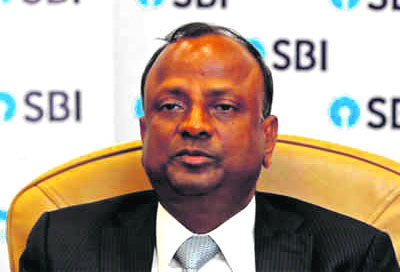
Rajnish Kumar, chairman of the State Bank of India, said that the coronavirus outbreak has threatened the country's financial system and urged the lenders to extend support to the struggling industries. He said that the public-sector banks may need further capitalisation by the government, debt reschedulings and writedowns due to pressures on their loan books.
He said the State Bank would have been in a better position but for the shutdowns to contain the spread of Covid-19. He said that the last couple of years the SBI had done the clean up and this was the time for reaping the benefits. But, unfortunately that did not happen due to the pandemic. He said that that banking system has been plagued by the bad-loan problems. In recent years the share of bad debt had started to fall thanks to reforms and the introduction of bankruptcy code.
Following the announcement of the nationwide lockdown in March, the financial system has been buttressed by emergency liquidity injections, credit guarantees and a temporary moratorium on loan repayments that runs through August. With no end in sight for control of pandemic, Kumar said that industries like aviation, hotels and jewellery need further financial support. He said that many
industrialists wanted to repay the loans but were not able to do so because of the cash crunch. Kumar said that the SBI would take necessary steps to help such industries.
Sunil Mehta, chief executive of the Indian Banks Association, said he has submitted a proposal to the government to extend tax relief and other emergency measures to airlines and others so that they won't collapse and contaminate lenders’ loan books. He said that collapse of any industry would have a very bad impact on the balance sheets of the banks.
Even before the pandemic, the financial system had been rocked by a series unfortunate events. In March, Yes Bank, a previously fast-growing private lender, was the subject of a central bank-led rescue by SBI and a consortium of investors. While the ratio of non-performing loans had eased from a 2018 peak of 11 per cent, credit rating agency S&P expects it to rise back as high as 14 per cent in the financial year ended next March.
Fitch estimates Indian banks will need anywhere from $15bn to $58bn next year to withstand the shock to their loan books. SBI said that it planned to raise ($2.7bn) in equity capital, joining a range of other private and public lenders like ICICI, Axis and Punjab National Bank in seeking to bolster their balance sheets. But weaker public-sector banks may require government support.